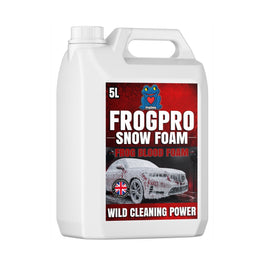
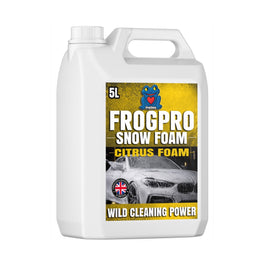
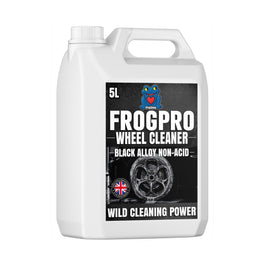
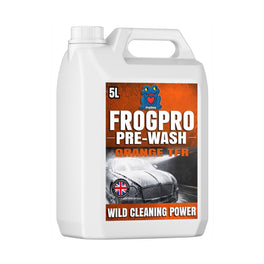
A wash bay can have the right chemicals, a capable pressure washer and a steady stream of vehicles, yet still lose time and finish quality because the water or chemical delivery is wrong. Car wash pump systems are the working part behind consistent pressure, accurate dilution and reliable wash performance. Choose the wrong setup and you may get weak foam, wasted chemical, pressure drops or costly downtime when demand is highest.
For a home user, the answer may be a compact machine with a suitable snow foam bottle. For a busy hand car wash, valeting unit or dealership, the system needs to be sized around vehicle throughput, water supply, hose runs and the chemicals being applied. The best option is not always the pump with the highest pressure rating.
Start with the job the pump needs to do
“Car wash pump” can describe several very different pieces of equipment. A pressure washer pump delivers high-pressure water for rinsing, pre-washing and cleaning heavily soiled lower panels. A chemical dosing pump draws concentrated product and introduces it at a controlled ratio. A booster pump raises water pressure where incoming mains flow is poor. Transfer pumps move water from tanks, while diaphragm pumps are often used for applying chemicals through dedicated low-pressure systems.
Before comparing specifications, define the stage of the wash process you are trying to improve. If traffic film remover is not covering consistently, the issue may be chemical dosing or the applicator, not the main wash pump. If a jet wash loses force when a second lance is opened, the problem is usually available flow and pump capacity rather than a lack of headline pressure.
A practical way to assess the requirement is to look at your busiest hour. Count how many wash points may run at once, how long each lance is used, and whether equipment must feed one bay, several bays or a tunnel. A single operator cleaning a few vehicles a day has very different needs from a site washing fleets, taxis or lorries throughout the day.
Pressure and flow: why both matter
Pressure is measured in bar and flow is normally measured in litres per minute. Both affect cleaning, but they do different jobs. Pressure helps break the bond between dirt and the vehicle surface. Flow carries contamination away, clears wheel arches and rinses product from large panels efficiently.
A high-bar machine with restricted flow can feel sharp at the lance but take too long to rinse a large vehicle. Conversely, strong flow at insufficient pressure may struggle with baked-on grime, winter road film and dirty commercial vehicles. For routine car washing, a balanced combination of usable pressure, steady flow and the correct nozzle is more valuable than chasing the biggest number on a specification sheet.
Nozzle selection changes the result as much as pump choice. A narrow jet concentrates impact for stubborn areas but is slower and can be too aggressive if held close to paintwork, trims or badges. A wider fan gives safer, quicker coverage for general rinsing. Operators should use enough distance from the vehicle to clean effectively without forcing water into vulnerable seals or damaging delicate surfaces.
Water supply deserves equal attention. A pump cannot create the volume it is not being fed. Poor incoming supply, undersized pipework, blocked inlet filters and long restrictive hoses can cause cavitation. This occurs when the pump is starved of water, often producing noise, pressure fluctuation and eventual internal damage. Where supply is inconsistent, a correctly sized buffer tank and booster arrangement may be a more sensible investment than replacing the pressure washer alone.
Selecting car wash pump systems by use case
For domestic detailing and mobile valeting, portability and straightforward maintenance usually matter most. A quality electric pressure washer with sensible flow, a reliable hose and compatible foam equipment covers most work. Avoid oversizing simply for the sake of pressure. It adds cost and can make safe use around softer trim, ageing paint and delicate finishes less forgiving.
A fixed valeting bay benefits from equipment designed for repeated daily use. Look for a professional-duty pump, a motor arrangement suited to extended running and easy access to inlet filters, oil checks and service parts. Longer hose runs create resistance, so a setup that performs well with a short demonstration hose may not deliver the same result once installed across a workshop or forecourt.
Hand car washes and multi-bay sites need to plan for concurrent demand. If two or three operators can work at once, calculate the required combined flow rather than the performance of one lance. A central pump system can be efficient and easier to maintain, but it creates a single point of failure unless there is a sensible backup plan. Separate machines offer resilience, although they take up more space and may require more individual servicing.
For fleet washing, including vans, plant and lorries, throughput and durability are usually the priority. Larger water demand, longer rinsing times and heavier soil levels place more strain on the system. Hot-water pressure washing can improve oil and grime removal, but it brings higher equipment cost, fuel use and maintenance requirements. Cold-water systems remain highly effective when paired with the right traffic film remover, dwell time and agitation where needed.
Chemical dosing is not an afterthought
A good pre-wash product only performs as intended when it reaches the surface at the correct concentration. Too weak and operators compensate by applying more product, repeating the wash or relying on excessive pressure. Too strong and you increase chemical spend and the risk of marking sensitive surfaces, especially when products are allowed to dry.
Dosing pumps and injectors should be selected for the chemical type, output range and point of application. Alkaline cleaners, acidic wheel products and solvent-containing products can require different seals, hoses and fittings. Check chemical compatibility rather than assuming that any pump can handle any product. A component that works well with shampoo may not last when used with a strong traffic film remover or wheel cleaner.
Placement matters too. Downstream injection is practical for many pressure-wash applications, but it may limit dilution control and chemical strength. Dedicated low-pressure application systems often give more consistent coverage for snow foam, pre-wash and sanitising products. The right arrangement depends on the finish you need, how quickly staff must work and whether the product needs extended dwell time before rinsing.
Keep chemical lines clearly labelled and separate from water lines wherever possible. It reduces operator mistakes and makes fault-finding quicker. A non-return valve is a small but useful safeguard against unwanted backflow, while a proper filter helps protect the pump from debris drawn from product containers.
Installation details that protect performance
Pump systems work best when installation is treated as part of the purchase, not an afterthought. Fit inlet filtration, use hose diameters that support the intended flow and avoid unnecessary sharp bends. Ensure electrical supply, isolation and protection are suitable for the equipment, particularly in wet working areas. Commercial installations should be completed and checked by appropriately qualified professionals.
Also consider where the unit will live. Frost, standing water, poor ventilation and chemical splash all shorten equipment life. A clean, accessible plant area makes routine inspections much easier. If the system is mounted in a mobile valeting vehicle, secure it properly and account for water-tank weight, vibration and winterisation.
Routine maintenance prevents expensive stoppages
Most pump failures give warning signs first: pulsing pressure, leaks, unusual noise, a drop in output or chemical that no longer draws correctly. Deal with them early. Continuing to run a starving, leaking or overheating pump can turn a minor repair into replacement equipment.
Daily checks should be simple: inspect hoses and couplings, clear filters, confirm water supply and look for chemical leaks. At regular intervals, check pump oil where applicable, lance triggers, nozzles, seals and dosing calibration. Replace worn nozzles rather than compensating by turning up pressure, as nozzle wear changes flow and cleaning behaviour.
During cold weather, protect equipment from freezing. Drain vulnerable lines or use an appropriate pump protector where required by the manufacturer. Frozen water can split fittings, hoses and pump components overnight, leaving a wash operation unable to trade the next morning.
A well-matched pump system makes every product in the wash process work harder, from pre-wash through to the final rinse. Buy around the work you actually do, keep the water and chemical supply clean, and give the equipment the routine attention it needs. That is how a wash setup stays productive when the queue is building.