A clean fleet is not just about appearances. Road film hides branding, dulls paintwork and makes basic vehicle checks less pleasant for drivers. The right fleet washing chemicals guide helps operators remove daily grime quickly without damaging vinyl graphics, aluminium, polished trim or protective coatings.
For a handful of company vans, the best choice may be a simple traffic film remover, shampoo and tyre dressing routine. For a busy delivery fleet, haulage yard or car wash operation, dilution control, water quality, wash equipment and turnaround time become just as important as the chemical itself. Buying the strongest product on the shelf is rarely the answer. Buying the product that removes the required soil at the right dilution is.
Start with the soil, not the vehicle type
Most fleet cleaning problems come down to a mixture of traffic film, diesel residue, mud, brake dust, salt and organic contamination. Traffic film is the grey-brown layer that builds up across lower panels, rear doors and cab fronts. It needs an effective pre-wash, usually a traffic film remover or pre-wash cleaner, to loosen contamination before contact washing.
The type of work the vehicle does changes the chemical choice. A courier van travelling urban routes may collect exhaust staining and road film. A tipper, agricultural vehicle or construction van can need more help with mud and mineral soil. Refrigerated vehicles and food-service fleets may require regular exterior degreasing alongside a more disciplined interior cleaning programme. Vehicles parked near the coast need prompt salt removal, particularly through winter.
Do not treat every dirty vehicle with one heavy chemical at maximum strength. Strong alkaline products can be highly effective on neglected commercial vehicles, but frequent overuse may reduce the life of wax protection, dry exterior plastics and leave sensitive finishes looking tired. Match the product and dilution to the job, then increase strength only when the soil demands it.
Fleet washing chemicals guide: the core wash system
A dependable fleet wash set-up usually has several products working in sequence. Each one has a job to do, and skipping stages often means using too much of the next chemical.
Traffic film remover for the first attack
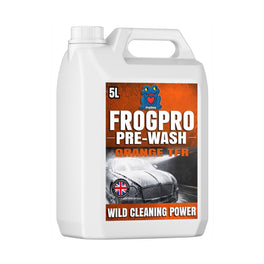
Traffic film remover, commonly called TFR, is the workhorse of commercial vehicle cleaning. Applied through a pump sprayer, foaming lance or suitable chemical delivery system, it breaks down the oily dirt and road grime that a shampoo alone will struggle to shift.
Choose a dilution ratio based on the level of contamination, your equipment and the manufacturer’s instructions. Lightly soiled vans may need a mild dilution, while heavily worked lorries can require a stronger mix. Apply from the lower panels upwards where practical, allow a short dwell time and never let the product dry on the surface. Rinse thoroughly before moving to the contact wash.
A TFR saves time, but it is not a substitute for good technique. It should be used on cool panels where possible, away from direct sun, and kept away from sensitive areas unless the label confirms suitability. Test first on older paint, uncoated aluminium and graphics if there is any doubt.
Snow foam or pre-wash for safer contact cleaning
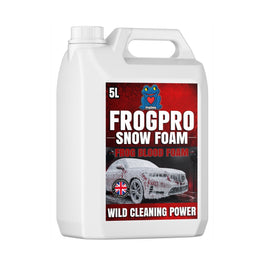
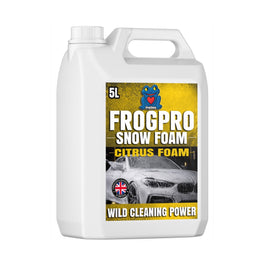
Snow foam is useful where finish quality matters, particularly for branded vans, sales fleets and vehicles that are regularly maintained. It clings to panels, softens loose dirt and improves the safety of the hand-wash stage. It does not need to be the most aggressive pre-wash to be worthwhile. A good foam that gives reliable dwell time and rinses cleanly can reduce wash-mitt contamination and help prevent unnecessary marring.
For high-throughput operations, the decision comes down to time. If vehicles are heavily soiled, a TFR-led pre-wash may be more efficient. If the fleet is washed frequently and presentation is a priority, a foam pre-wash followed by shampoo can produce a better-looking finish with less risk of swirls.
Vehicle shampoo for controlled contact washing
After rinsing the pre-wash, use a professional vehicle shampoo with a soft wash mitt or brush suited to the surface. Shampoo provides lubrication, lifts the remaining film and makes the wash process more controlled. Use a separate bucket or wash tool for lower panels and avoid taking wheel dirt back onto paintwork.
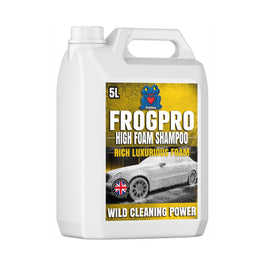
For fleets, concentrate matters. A low-cost shampoo that needs a large dose can cost more per wash than a professional concentrate used correctly. Look at working dilution, cleaning ability, rinse behaviour and finish rather than bottle price alone. A neutral shampoo is generally the safest routine choice for vehicles protected with wax, sealant or ceramic coating.
Wheel and tyre cleaners for the dirtiest area
Wheels carry brake dust, road salt and bonded dirt, while tyres hold grime in the sidewall texture. They need dedicated attention. A suitable wheel cleaner and stiff tyre brush will produce a far cleaner result than shampoo alone, but the cleaner must suit the wheel finish. Acidic wheel cleaners can be fast-acting on serious contamination, yet they are not the default answer for every alloy, polished metal or damaged lacquered wheel.
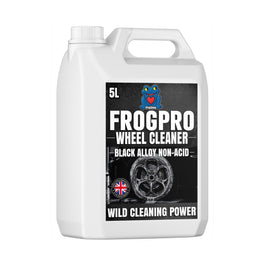
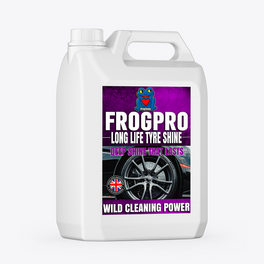
Use a non-acidic wheel cleaner for regular maintenance where compatibility and repeat use matter. Work one wheel at a time, do not allow the product to dry and rinse thoroughly. Follow with a tyre cleaner or all-purpose cleaner to remove old dressings and dirt before applying a water-based or solvent-based tyre dressing. The right dressing improves the finished look, but avoid overly glossy products on working vehicles where sling onto paintwork is a nuisance.
Protecting paintwork saves time later
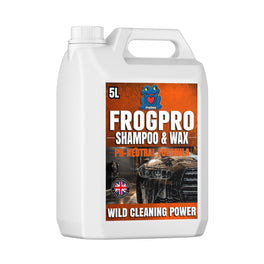
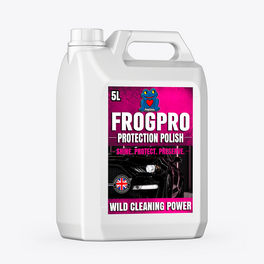
A fleet that is cleaned regularly benefits from a simple protection stage. Wax, spray sealant or ceramic-infused maintenance product helps water sheet or bead away, makes traffic film less likely to bond and speeds up the next wash. The best option depends on wash frequency and the desired finish.
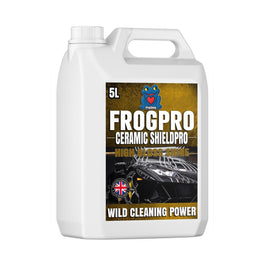
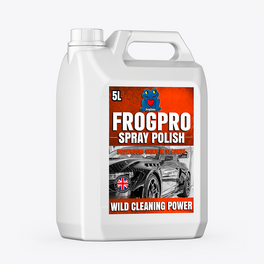
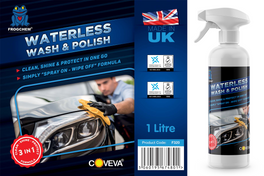
Spray protection is quick and practical for busy sites. It can be applied as part of a maintenance routine and gives an immediate improvement in gloss and water behaviour. Traditional waxes take longer but can suit presentation vehicles and smaller fleets. Ceramic coatings offer longer-term protection, but surface preparation needs to be right and they are not always the sensible choice for vehicles that suffer hard daily use, panel repairs or frequent replacement.
Protection does not make washing optional. It simply makes routine washing more efficient and reduces the temptation to use harsh chemicals every time a vehicle looks dull.
Dilution control is where fleet costs are won or lost
Fleet chemicals are concentrated for a reason. Correct dilution improves cleaning consistency, protects surfaces and keeps spend under control. Guessing doses with a capful or an unmarked sprayer leads to waste and unpredictable results.
Use clearly labelled dilution bottles, proportioning systems or measuring equipment. Record the dilution that works for routine soil and create a separate stronger setting for exceptional jobs. Staff should know which product goes into which bottle, what personal protective equipment is required and which surfaces need extra care.
Water quality also affects results. Hard water can leave spotting, especially on dark paintwork and glass, while poor rinsing can leave chemical residue around mirrors, trims and door shuts. If your operation washes a large number of vehicles, a reliable pressure washer, correct nozzle choice and sufficient rinse time often improve results more than changing chemical brands.
A safer, faster wash routine for commercial vehicles
Wash chemistry only works properly when the process is sound. Begin with wheels and lower areas if they are heavily contaminated, using dedicated tools. Pre-rinse the vehicle, apply TFR or foam, allow it to dwell without drying, then rinse from top to bottom. Carry out a contact wash where needed, rinse again and dry high-visibility areas such as glass, mirrors and door handles.
Pay close attention to rear doors, number plates, lights, steps, fuel caps and areas behind wheel arches. These are the places drivers, customers and inspectors notice first, and they are also where grime tends to remain after a rushed wash. For liveried vehicles, use a soft brush only where necessary and avoid aggressive scrubbing across vinyl edges.
Chemical safety is part of a professional operation. Keep products in their original, labelled containers where possible, follow safety data guidance, provide gloves and eye protection, and never mix chemicals. Mixing products can reduce their effectiveness and, in some cases, create dangerous reactions. Store concentrates securely away from drains, food areas and direct frost or heat.
Build a chemical system that your team will actually use
The ideal fleet range is not the largest one. It is a repeatable system that staff can use confidently: a dependable pre-wash, a shampoo, a wheel and tyre solution, glass cleaner, interior cleaner and a fast protection product. Add specialist degreasers, fallout removers or stronger cleaners only where the work genuinely calls for them.
FrogChem can help trade operators source the wash chemicals, applicators and equipment needed to keep that system in one place. The key is to trial products on a small section of the fleet first, measure chemical use per vehicle and standardise the process once you are happy with the finish.
A well-chosen wash routine gives drivers a vehicle they are happy to arrive in, protects the image on the side of every van and makes the next clean quicker than the last.