If you have ever stripped wax with too much pressure or waited ages for weak water flow to shift winter grime, you already know the best pressure washer for car detailing is not simply the biggest machine on the shelf. For detailing, the right unit needs enough cleaning power to loosen traffic film and road salt, but still give you control around badges, trims, softer paint and delicate finishes.
That is where plenty of buyers get it wrong. They chase headline PSI, end up with a machine built more for patios than paintwork, and then wonder why the wash stage feels awkward. For car detailing, balance matters more than brute force.
What makes the best pressure washer for car detailing?
A good detailing pressure washer should make the pre-wash and rinse stages quicker, safer and more consistent. That means stable pressure, decent water flow, reliable hose length and accessories that actually suit vehicle cleaning. The machine needs to work well with snow foam lances, allow controlled rinsing around panel gaps and wheel arches, and keep operating without drama if you are washing regularly.
For most cars, you do not need extreme pressure. In fact, very high PSI can become a drawback if the machine is poorly controlled or paired with the wrong nozzle. Water flow is often just as important, sometimes more so. Strong flow helps carry dirt away from the panel instead of just blasting a narrow point on the surface.
As a rough guide, many detailers and serious home users are happy in the range of around 100 to 130 bar, paired with sensible flow rate and good nozzle selection. Commercial users washing multiple vehicles each day may want a more durable setup with stronger output and better duty cycle, but even then, usable control is still the priority.
PSI, bar and flow rate - what actually matters?
Pressure gets most of the attention because it is easy to market, but it does not tell the whole story. Two machines with similar pressure can feel very different if one delivers better litres per minute. A unit with healthy flow will rinse faster, clear shampoo residue more effectively and deal with wheel arches and lower sills with less effort.
For car detailing, think in terms of working performance rather than maximum force. You want enough pressure to loosen grime and support a foam lance properly, but not so much that every pass feels aggressive. A machine with moderate bar and solid flow is usually a better buy than one boasting huge pressure figures with weak water delivery.
Motor quality matters as well. Entry-level pressure washers can be perfectly fine for occasional weekend use, but they often have shorter duty cycles, lighter pumps and more plastic components. If you are a valeter, dealership prep team or a busy home user with several vehicles to maintain, it usually pays to step up to a machine built for repeated use.
Electric or petrol for detailing?
For most car detailing setups in the UK, electric is the practical choice. It is quieter, easier to store, simpler to start and generally better suited to domestic driveways, workshops and indoor bays. Electric units also tend to offer the control most vehicle cleaning jobs need.
Petrol pressure washers have their place, especially where power supply is limited or mobility matters, but they are often overkill for routine detailing. They are noisier, heavier and usually aimed at harder cleaning work. If your main job is cars, vans and light commercial vehicles, electric is normally the better fit.
That said, trade users working across larger sites may still prefer a tougher petrol unit for flexibility. It depends on whether the machine is a detailing tool first or an all-round cleaning machine that occasionally gets used on vehicles.
The accessories can make or break the setup
The pressure washer itself is only part of the picture. A poor hose, clumsy trigger gun or average foam lance can make a good machine frustrating to use. For detailing, accessories are not extras. They are part of the system.
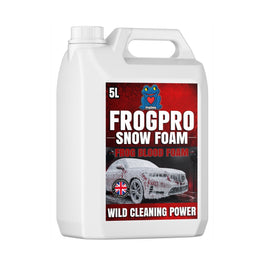
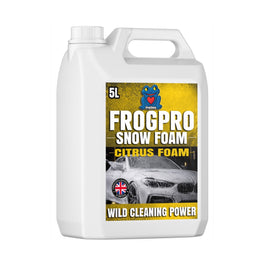
A proper foam lance matters if you use snow foam as part of your wash process. The machine needs enough flow and stable pressure to lay foam consistently. If the foam is watery and weak, the issue is not always the chemical. Sometimes the pressure washer is the limiting factor.
Nozzle choice matters just as much. A wider fan nozzle is usually the safe, workable option for paintwork. Very narrow spray patterns concentrate pressure too aggressively and are better left for harder surfaces. Hose length is another point people overlook. If you are constantly dragging the machine round the car, the job gets slower and there is more risk of knocking the unit into the vehicle.
Choosing the best pressure washer for car detailing at home
If you are a home user, the sweet spot is usually a compact electric machine with enough output to run a foam lance properly and rinse efficiently, without taking up loads of storage space. You want something reliable, easy to move and simple to set up on a regular wash day.
Look for a model with a decent hose, straightforward accessory support and available replacement parts. There is no value in buying cheap if the lance fittings are awkward, the hose kinks constantly or the machine struggles after a few months of use. A slightly better machine often saves money and hassle over time.
For one or two family cars, you do not need a workshop-grade unit. What you do need is consistency. A machine that starts every time, delivers stable output and works well with your pre-wash products will improve results far more than chasing the highest number on the box.
What trade users should look for
Professional users have different priorities. If you are washing several vehicles a day, downtime matters more than bargain pricing. You need a pressure washer with stronger build quality, better pump durability and a setup designed for repeated use.
In a trade environment, hose management, trigger comfort and parts availability become serious buying points. So does serviceability. A machine that performs well but becomes disposable after heavy use is rarely the best long-term option. For valeting bays, used car prep, hand wash sites and transport fleets, it is usually smarter to buy for reliability first and headline spec second.
You may also need to think about the types of vehicles you clean. Small hatchbacks, 4x4s, vans and lorries all place slightly different demands on your setup. Larger vehicles benefit from stronger flow rate because rinsing speed becomes more important as panel area increases.
Common mistakes when buying a detailing pressure washer
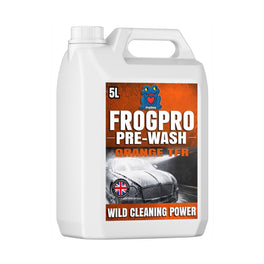
The first mistake is buying for patios and assuming the same machine will be ideal for paintwork. Some heavy-duty units are simply too harsh or awkward for proper vehicle care. The second is underbuying and ending up with a machine that cannot support your wash routine, particularly if you use snow foam or clean several vehicles back to back.
Another common mistake is ignoring compatibility. Fittings, lance connections and hose quality all affect day-to-day use. It is also easy to forget water supply. Even a strong machine will disappoint if the feed is poor or inconsistent.
Then there is the idea that more pressure always means a better clean. In vehicle detailing, technique, chemical choice and safe stand-off distance matter just as much. The pressure washer should support the process, not dominate it.
A simple way to decide
If you wash one car every couple of weeks, buy a quality electric machine with moderate pressure, good flow and proper detailing accessories. If you clean multiple vehicles or work commercially, move towards a more durable unit with better pump quality and stronger duty cycle.
If foam performance matters to you, prioritise flow and lance quality. If storage space is tight, choose a compact unit without sacrificing hose length. If you work all day with the machine, comfort and reliability will matter more than shaving a few pounds off the price.
For buyers who want chemicals, accessories and equipment to work together properly, sourcing from a specialist supplier such as FrogChem often makes more sense than piecing a setup together blind. It is easier to get a machine that matches your foam lance, wash process and workload when the product range is built around actual vehicle cleaning.
The best pressure washer for car detailing is the one that fits how you wash, how often you wash and what you expect from the finish. Get that match right, and every stage from pre-wash to final rinse becomes easier, safer and noticeably more professional.
A pressure washer should save time, not create work. Buy for control, flow and reliability, and your wash stage will feel less like damage limitation and more like the start of a proper detail.