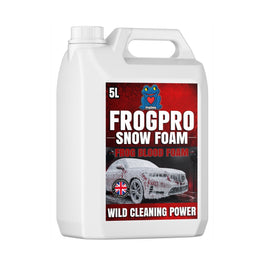
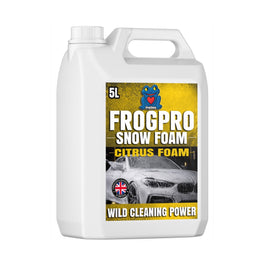
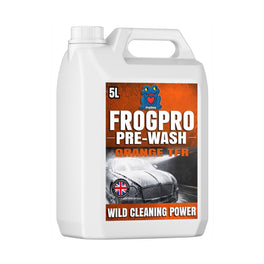
A snow foam lance is only as good as the pressure washer, chemical and fitting behind it. Buy the wrong connector and it will not fit. Buy a poor-quality bottle or basic head and you may get thin, watery foam that slides away before it can soften traffic film. The best snow foam lance is the one that produces consistent cling, fits your machine properly and stands up to regular use.
For a home user, that may mean a compact lance with a 1-litre bottle and a straightforward adjustment dial. For a valeter or hand car wash, reliability matters just as much as the initial price: a solid brass head, a chemical-resistant bottle and readily replaceable parts can save interruptions during a busy day.
What a snow foam lance actually does
A snow foam lance, sometimes called a foam cannon, attaches to the trigger gun of a pressure washer. It draws diluted snow foam from its bottle, combines it with water and air, then sends it through a mesh filter and nozzle. That process creates the thick blanket of foam used at the pre-wash stage.
The aim is not to make the vehicle look like it has disappeared under shaving foam. Good foam should cover the paintwork evenly, dwell long enough to loosen dirt and rinse away cleanly. It helps reduce the amount of grit left on the surface before a contact wash, which is exactly what you want when trying to minimise wash marring on darker paint.
A lance will not replace the need for a proper shampoo wash, wheel cleaner or traffic film remover where contamination is heavy. It is a controlled first step that makes the rest of the wash safer and more efficient.
Choosing the best snow foam lance for your pressure washer
Compatibility comes first. Pressure washer connectors are not universal, so check the make and model of your machine before ordering. Popular domestic machines may use a bayonet-style fitting, while professional equipment often uses a 1/4-inch quick-release system. A lance can be excellent in every other respect and still be useless if the connector is wrong.
Do not assume an adaptor is always the easy answer. An adaptor can be practical when you already own a quality quick-release lance, but it adds another connection point. For frequent commercial use, a direct-fit option is usually neater and quicker to work with.
Check pressure and flow, not just the brand name
Foam quality depends heavily on the water flow supplied by the washer. A high-flow professional pressure washer generally creates a denser foam than a small entry-level domestic model, even with the same lance and chemical. This is not a fault with either product - it is simply how the mixing process works.
Check that the lance is rated for your washer’s working pressure and water flow. A professional lance used on a low-flow machine may need a smaller internal orifice to perform properly. Conversely, an orifice that is too small for a powerful machine can restrict flow and make the trigger feel less natural.
If you run multiple machines in a valeting bay, standardising on compatible quick-release fittings makes day-to-day work simpler. Staff can swap between a foam lance, rinse nozzle and other accessories without wasting time changing threaded connections.
Look for useful adjustment, not endless adjustment
Most decent foam lances have two controls: one for chemical draw and one for spray pattern. The chemical control lets you make the mix wetter or denser. The fan adjustment changes the shape of the spray from a narrow vertical or horizontal pattern to a broader fan.
These controls matter because one setting does not suit every job. A lightly dusty daily driver may only need a moderate mix that rinses quickly. A white van covered in road film after a wet week may benefit from a stronger pre-wash solution, used within the chemical manufacturer’s dilution guidance.
The best controls are easy to turn with wet gloves and stay where you set them. Overly loose dials can creep during use, while cheap plastic adjusters are more likely to crack if the lance is dropped on a hard forecourt.
Build quality is where cheap lances show their limits
A budget foam lance can be fine for occasional weekend washing, especially when paired with a suitable snow foam and a domestic pressure washer. The trade-off is usually in the parts you do not notice until later: bottle threads, pickup tubes, seals, filter mesh and the adjustment assembly.
A stronger lance generally uses a brass or stainless-steel body at the working end, with seals that tolerate regular contact with cleaning chemicals. The bottle should feel substantial, have clear dilution markings and use a wide neck that is easy to fill. A narrow-necked bottle is frustrating when you are mixing product in a hurry, particularly if you work through several vehicles a day.
The pickup tube should reach close to the bottom of the bottle without kinking. When it is too short, you can be left with product in the bottle just as the foam starts to weaken. A weighted filter at the end helps the tube stay in the solution as you angle the lance around rooflines and lower panels.
Replacement parts are worth considering before you buy. Filters eventually clog, O-rings can wear and bottles can be dropped. A lance with available spares is a better long-term purchase than one that has to be discarded over a small failed component.
Bottle size and handling for home and trade use
A 1-litre bottle is the sensible all-round choice. It carries enough mixed product for a full car or SUV, without making the lance awkwardly heavy. For most home users, it is the right balance between capacity and control.
Larger bottles can suit busy valeters, 4x4s, lorries or repeated applications, but the added weight becomes noticeable when working overhead. They can also encourage over-mixing. Snow foam should be prepared for the job in hand rather than left sitting in the bottle for long periods, particularly when the lance is shared between users.
For a mobile valeter, it is often more practical to keep spare, clearly labelled bottles ready with the correct dilution than to carry one oversized bottle. This keeps turnaround quick and reduces the risk of using the wrong product at the wrong strength.
Foam thickness is not the whole story
Thick foam is satisfying to apply and useful when it clings evenly, but it is not the only measure of cleaning performance. The chemistry in the snow foam, the dilution ratio, vehicle condition, water quality and ambient temperature all affect the result.
A foam that is too thick can sometimes be wasteful. If it sits on the surface without wetting dirt effectively, or takes too long to rinse, you are using more product without gaining much. On warm panels or in direct sun, any pre-wash can dry too quickly, so work in shade where possible and never allow chemicals to dry on the vehicle.
For heavily soiled lower panels, a dedicated traffic film remover applied at the correct dilution may be more effective than simply turning the foam lance to its strongest setting. Use the snow foam as part of a proper wash process, not as a substitute for the right chemical.
How to get better results from your foam lance
Start with a clean bottle and filter. Old product residue and hard-water deposits can reduce chemical draw and spoil the spray pattern. Add water first, then measure in your snow foam, as this helps avoid excessive frothing while filling. Follow the product label rather than guessing a stronger mix.
Before covering the vehicle, set the fan to a useful width and test the output on the ground. Apply from the lower areas upwards so the product has a fair chance to work on the dirtiest panels, then cover the upper paintwork. Leave it to dwell for the recommended time and rinse thoroughly from the top down.
Do not use a foam lance on hot paintwork, and do not leave it loaded with chemical after the job. Run clean water through the lance for a short time, empty the bottle and rinse it out. That small habit protects the filter, seals and pickup tube, and helps keep the next application consistent.
Is a premium lance worth paying for?
It depends on how often you use it. If you wash one household car every few weeks, a well-made entry-level lance with the correct fitting can give excellent results. Spend the difference on a quality snow foam, safe wash mitts and clean drying towels - they will all affect the final finish.
If you operate a valeting business, hand car wash or dealership preparation area, a stronger professional-grade lance is usually easier to justify. Faster fitting changes, dependable adjustment and replaceable wear parts matter when equipment is used every day. Downtime costs more than a modest saving on the purchase price.
FrogChem customers who combine professional cleaning chemicals with the right pressure-washer accessories will usually see the biggest improvement by matching the whole system, rather than chasing the thickest possible foam from one component.
The right lance should make the pre-wash stage predictable: correct fitting, even coverage, controlled chemical use and no fuss when the next vehicle is waiting.