A car does not always need a full bucket wash to look ready for a customer handover, site visit or weekend drive. If it has picked up light road dust, fingerprints, fresh bird mess or a thin layer of grime while parked, waterless washing can restore a clean, presentable finish without a hose, pressure washer or wet forecourt.
Used properly, it is a practical maintenance method for valeters, dealerships, mobile operators and owners who want to keep on top of appearance between proper washes. Used on the wrong vehicle at the wrong time, it can drag abrasive dirt across the paintwork and create the very marks you are trying to avoid. The difference comes down to soil level, product choice and technique.
What is waterless washing?
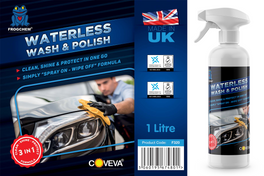
Waterless washing uses a lubricated cleaning product that is sprayed directly onto a vehicle panel, lifted away with clean microfibre towels and then buffed to a clear finish. The formula is designed to soften and encapsulate light dirt, so the towel can remove it with less friction than a dry wipe.
Despite the name, the product itself is normally water-based. “Waterless” means there is no need for a rinse stage, bucket or running water during the clean. That makes it useful where drainage is limited, when a vehicle is indoors, or when time does not allow for a complete wash process.
A good waterless wash product should offer plenty of lubrication, even coverage and a clean buff-off. Some leave behind gloss enhancers or a light protective finish, which can improve the look of maintained paintwork. It should not be treated as a replacement for proper decontamination, traffic film removal or regular protection.
When waterless washing is the right choice
This method works best on lightly soiled vehicles. Think of a showroom car that has been touched by customers, a freshly washed vehicle that has collected dust overnight, or a maintained fleet vehicle needing a quick visual refresh before collection. It is also effective for spot cleaning bird droppings, tree sap residue, fingerprints around door handles and light marks on gloss black trim.
For mobile valeting businesses, it can add value as part of a maintenance visit. Rather than setting up a full wash system for a vehicle that is already broadly clean, a careful waterless clean can bring the finish back quickly while reducing set-up time. It is especially useful for paintwork, exterior glass, chrome, piano-black plastics and door shuts with only light dust present.
At home, waterless washing suits drivers without access to an outdoor tap or those who want to maintain a ceramic-coated, waxed or sealed vehicle between main washes. A protected surface generally releases light contamination more easily, although protection does not make a dirty vehicle safe to wipe down.
When to avoid it
Waterless washing is not for vehicles covered in road grit, dried mud, heavy traffic film, winter salt or thick dust. These contaminants are abrasive. Spraying over them and wiping immediately risks putting fine scratches, marring and swirl marks into clear coat, especially on dark paint.
Avoid it after wet motorway driving, on 4x4s returning from muddy ground, on lorries with heavy diesel film, or on vehicles that have been parked beneath trees for weeks. Wheels, lower sills, wheel arches and rear bumpers often hold far more grit than upper panels, so they usually need a dedicated wheel cleaner, pre-wash and rinse rather than a waterless product.
It also depends on the paint condition. Older, soft or poorly maintained paint can mark more easily. Freshly repainted panels may have specific curing requirements from the bodyshop. Matte and satin finishes need products approved for those surfaces, as gloss-enhancing additives can alter the appearance. When in doubt, carry out a small test area first.
The equipment that makes the difference
The key to safe results is not just the chemical. It is having enough clean, high-quality microfibre towels. One towel cannot safely clean an entire vehicle if it is picking up dirt. As soon as a towel face is loaded, it needs to be folded to a fresh side or replaced.
Use plush, edgeless or soft-edged microfibres for paintwork, keeping separate towels for glass, wheels and dirty lower sections. Do not use kitchen roll, old cotton rags, chamois leather or a towel that has been dropped on the ground. Any embedded grit can become an instant scratch risk.
For trade work, it makes sense to keep a dedicated waterless wash kit in the van: product in a labelled trigger sprayer, a stack of clean folded microfibres, a separate bag for used towels and a glass towel for the final finish. FrogChem customers who maintain several vehicles will usually find that towel management matters as much as choosing the right cleaner.
How to carry out waterless washing safely
Work out of direct sunlight where possible and start only when the panel is cool to the touch. Heat can make the product dry too quickly, leading to smearing and reducing the lubrication available while you wipe.
Begin with an inspection. Look closely at the lower doors, rear end, bonnet leading edge and horizontal surfaces. If you can see sand, gritty deposits or thick dirt, stop and use a proper pre-wash and rinse process instead. It is better to spend ten more minutes washing safely than hours trying to correct scratched paint.
Spray a generous, even layer across one small panel at a time. The aim is to wet the contamination, not to mist the panel lightly. Give the product a short dwell time according to its instructions, allowing it to loosen the dirt without drying out.
Take a fresh folded microfibre and wipe in straight, overlapping passes with very light pressure. Let the product do the work. Do not scrub a stubborn mark. If contamination remains, apply more product and gently lift it away, or move to a more suitable cleaning method.
Turn to a clean towel face after each pass or two, depending on how much dirt is being removed. Follow with a separate, clean microfibre to buff away any remaining residue. Working panel by panel prevents the product drying and gives you better control over towel condition.
A simple order of work
Start with the cleanest upper panels, then move through glass, sides and finally the lower sections. Leave wheels, tyres and wheel arches until last, using separate products and towels. This order prevents dirt from the dirtiest areas being transferred onto paintwork.
Do not forget door edges, fuel filler areas and number plates, but assess them honestly. These areas often hold trapped grit and may need a damp brush, all-purpose cleaner or rinse-based approach before they are safe to touch with a microfibre.
Waterless washing versus rinseless washing
The two terms are often used interchangeably, but the methods are different. A waterless wash is sprayed on and wiped off with no bucket rinse stage. A rinseless wash uses a diluted solution in a bucket, with wash media regularly rinsed or multiple towels used in sequence. It still uses far less water than a conventional wash, but it is better suited to moderately dirty vehicles.
For a vehicle with light dust and a good existing protective layer, waterless washing is the quicker option. For a car with more general road film but no heavy mud or grit, a rinseless method can offer more cleaning capacity and better lubrication. For heavily soiled vehicles, nothing replaces a thorough pre-wash, contact wash and rinse.
Protecting the finish after a waterless clean
A waterless wash can leave paintwork looking sharper, but lasting gloss comes from protection underneath it. Regular wax, sealant or ceramic protection makes future maintenance easier by reducing how firmly light dirt bonds to the surface. It also helps water bead and improves the finish after a quick clean.
Keep expectations realistic. A spray cleaner may add short-term gloss, but it will not remove bonded fallout, tar spots, oxidation or existing swirl marks. Those jobs need the right dedicated products and, where necessary, machine polishing or professional correction.
For regular operators, the best approach is to build waterless washing into a maintenance plan rather than relying on it for every job. Use it for clean cars that need to stay clean, preserve your full wash process for genuinely dirty vehicles, and never compromise on fresh towels. A careful five-minute refresh can look excellent. A rushed wipe over grit can cost far more than the water it saved.