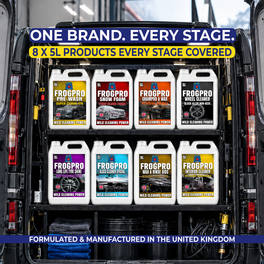
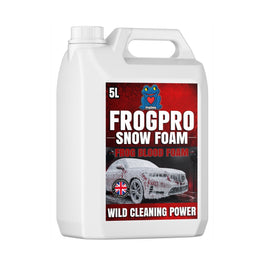
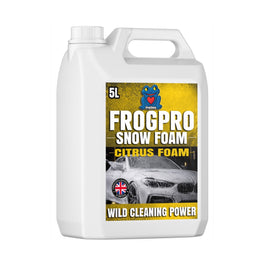
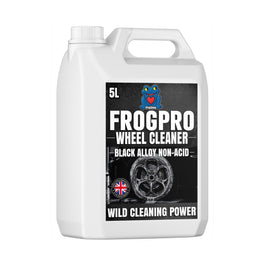
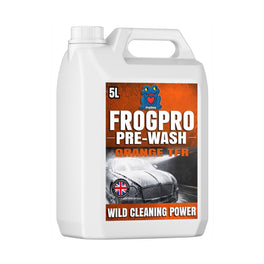
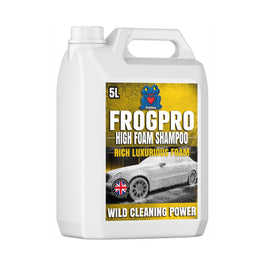
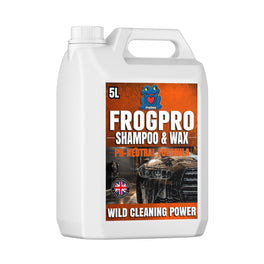
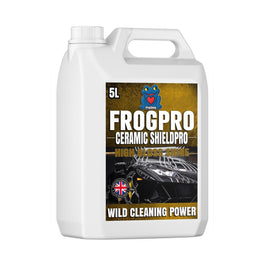
If your wheels still look tired after the rest of the car is clean, the product is usually the problem. The best wheel cleaning products are not just the strongest ones on the shelf. They are the ones that match the wheel finish, the level of brake dust, and the way you actually wash - whether that is one car on a Sunday or a full line of vehicles that need turning round fast.
Wheels take a harsher beating than almost any other exterior surface. They deal with hot brake dust, tar, salt, traffic film and baked-on grime in one small area. That means a wheel cleaner has to do two jobs at once. It needs enough bite to cut contamination, but not so much aggression that it stains, etches or dulls the finish over time.
What makes the best wheel cleaning products?
The short answer is balance. A good wheel cleaner should loosen brake dust quickly, rinse freely and work with normal brushes or mitts without needing heavy scrubbing. In a trade setting, dwell time matters because labour matters. At home, ease of use matters because if a product is awkward, people tend to use too much of it or leave it on too long.
The best products also suit the wheel type. Painted and powder-coated alloys are usually straightforward, but polished metal, chrome, diamond-cut faces and older finishes need a more careful approach. A cleaner that performs well on a neglected van wheel may be too harsh for a freshly refurbished alloy.
This is why there is no single best option for every vehicle. There are categories, and choosing the right one saves time, protects the finish and often reduces product use.
The main types of best wheel cleaning products
Acid-free wheel cleaners are the safest all-round choice for most users. They are popular because they offer decent cleaning power without the higher risk that comes with stronger acidic formulas. For regular maintenance washes, especially on coated or well-kept wheels, this is where most people should start.
Acid-based wheel cleaners are built for heavier contamination and faster results. They can be very effective on neglected wheels, commercial vehicles and high-volume wash environments where build-up is serious and time is tight. The trade-off is obvious - they need more care in application, they are not right for every finish, and they should only be used where product instructions and wheel condition allow.
Iron fallout removers are ideal when brake dust is the main issue. These products target ferrous contamination rather than general grime alone, which makes them useful for modern alloy wheels that collect stubborn metallic deposits. They are especially handy when standard shampoo or mild wheel cleaner is not touching the embedded contamination.
Combined wheel and tyre cleaners can be a practical choice for speed. They are useful where the goal is a solid, presentable result across fleets, forecourts or regular maintenance washes. They may not replace a dedicated decontamination product for detailing work, but they can improve efficiency when speed matters.
Gel formulas have their place too. Because they cling longer, they can help on vertical faces and intricate spoke designs. On heavily soiled wheels, that longer contact time can make agitation easier and more controlled.
When stronger is not better
One of the most common mistakes is reaching straight for the harshest formula available. That might shift grime quickly, but repeated use on the wrong finish can create its own problems. Fading, staining and damaged lacquer cost far more than a few extra seconds with a brush.
For most routine work, a safer cleaner used properly beats an aggressive one used out of habit. Better technique often outperforms brute strength.
How to choose the right wheel cleaner for your setup
Start with the vehicle type and the condition of the wheels. A dealer prep bay handling mixed stock has different needs from a detailer maintaining ceramic-protected alloys. Likewise, a family hatchback that is washed every fortnight does not need the same chemistry as a neglected transit-style work van doing motorway miles all week.
If you are buying for a valeting business or hand wash, consistency matters as much as outright cleaning power. You need a product that behaves predictably, works with your current sprayers and brushes, and gives staff a sensible margin for error. Products that are too temperamental often create uneven results across a busy day.
If you are buying for home use, think about how often you will realistically clean the wheels. A safer maintenance product used regularly usually gives better long-term results than an occasional attack with something very strong. It is also more suitable if more than one person uses the products.
Wheel design matters as well. Deep-dish styles, intricate spokes and large brake packages trap more contamination and need better coverage. In those cases, products with good cling and enough dwell time can make a visible difference.
Best wheel cleaning products for trade users
Trade buyers tend to need one of two things. Either they want a dependable daily cleaner that works across a broad mix of vehicles, or they want a heavy-hitting option for recovery jobs and badly neglected stock. The best choice depends on turnaround pressure, staff experience and the level of finish expected.
For regular site use, an acid-free or balanced wheel cleaner is often the most practical answer. It reduces risk, suits more wheel types and supports repeatable results. For tougher jobs, keeping a more specialised fallout remover or stronger cleaner in reserve is usually smarter than using the strongest product on every vehicle.
Best wheel cleaning products for home detailers
Enthusiasts often benefit from using two products instead of one. A regular wheel cleaner handles routine dirt, then an iron remover comes in when brake dust starts to bond into the finish. That approach keeps the wheels cleaner without overusing stronger chemistry.
If your wheels are protected with wax, sealant or ceramic coating, product choice matters even more. A maintenance-friendly cleaner helps preserve that protection and keeps future washes easier.
Using wheel cleaners properly matters as much as the product
Even the best wheel cleaning products can disappoint if they are used badly. Wheels should be cool before application. Spraying product onto hot wheels in direct sun increases the chance of staining and rapid drying, which reduces performance and raises risk.
Pre-rinsing helps more than people think. Loose grit and surface grime come away first, which lets the cleaner focus on bonded contamination rather than wasting itself on top-layer dirt. Then apply the product evenly, give it the correct dwell time, and agitate where needed with suitable brushes.
Brush choice matters. A soft wheel face brush, a narrower barrel brush and a separate brush for tyres and arches give better control and help avoid cross-contamination. Using one old stiff brush for everything is how finishes get marked.
Rinsing thoroughly is non-negotiable. Residue left behind can dry into awkward patches and undermine the finish you have just worked for.
Common buying mistakes to avoid
A lot of people buy on headline claims alone. "Fast acting" sounds good, but it tells you very little about finish safety, dilution value or whether the product suits your wheels. In a commercial setting, cost per use is often more important than bottle price. A product that looks cheap but needs heavy application can work out poor value very quickly.
Another mistake is ignoring compatibility with the rest of your kit. If a cleaner does not atomise properly through your sprayer, or if it needs more rinsing than your setup allows, it slows the whole job down. Efficiency is part of product performance.
It is also worth being realistic about wheel condition. Some wheels are not dirty so much as damaged. Burnt-in brake dust, failed lacquer and pitted finishes can only be improved so far by chemistry. No honest supplier should pretend otherwise.
Best wheel cleaning products and long-term finish quality
The real test is not how a wheel looks after one wash. It is how it looks after twenty. Products that clean effectively without hammering the finish tend to win over time. That is especially true for trade users managing customer vehicles, dealer stock or branded fleets where presentation and consistency both matter.
A sensible wheel cleaning setup often includes a regular maintenance cleaner, a fallout remover for periodic decontamination and the right tools for agitation and rinsing. That gives you flexibility without overcomplicating the process. For buyers who want one place to source both chemicals and equipment, FrogChem fits that practical approach well.
If you want cleaner wheels with less effort, buy for the job in front of you rather than the boldest label on the bottle. The best results usually come from the right product, used at the right strength, on the right wheel - and that is what keeps wheels looking sharp wash after wash.