A lorry that leaves the yard coated in road film, brake dust and streaked glass does more than look neglected. It makes daily checks harder, weakens the impression your business makes at every delivery point and allows grime to build where it is most difficult to remove. Effective lorry fleet cleaning is not about chasing a showroom finish on every vehicle. It is about creating a repeatable wash process that keeps working vehicles clean, visible and ready for the road without wasting labour, water or chemical.
For a small operator, that may mean a planned weekly wash and a quick daily cab check. For a larger depot, it can mean a dedicated wash bay, bulk chemical storage and clear responsibility for each stage. The right setup depends on fleet size, mileage, vehicle type and where the work is carried out, but the basics stay the same.
Why lorry fleet cleaning needs a proper routine
Commercial vehicles collect contamination that a family car rarely sees. Traffic film sticks to paintwork and curtain sides, diesel residue gathers around fillers, mud builds behind wheels and road salt can sit in seams, steps and chassis areas through winter. Left in place, this grime dulls finishes, hides damage and makes routine maintenance less straightforward.
A clean cab also matters to drivers. Clear glass, clean mirrors, safe entry steps and a tidy interior make a tangible difference on long shifts. On customer-facing fleets, the vehicle is part of the company uniform. A well-kept lorry signals that the same care is likely applied to deliveries, equipment and service.
There is a cost balance to manage. Washing too rarely lets contamination bond to surfaces and increases the time needed for each clean. Washing too aggressively, with unsuitable chemicals or excessive pressure, can damage decals, polished metal, vulnerable trim and poorly sealed electrical areas. A planned routine gives you control over both.
Build the wash process around the vehicle's working life
The most efficient fleet cleaning programmes separate regular maintenance washes from deeper periodic cleans. A vehicle running local multi-drop work in poor weather may need attention several times a week. A long-haul unit mainly travelling on motorways might require a thorough external wash weekly, with targeted cleans in between.
Start by identifying where dirt accumulates on your fleet. Refrigerated bodies, tippers, curtain siders, tankers and tractor units all present different cleaning demands. Pay attention to wheel arches, lower panels, rear doors, steps, fuel areas, coupling zones and lighting. These areas usually need more product contact time and more careful rinsing than upper bodywork.
A practical standard wash follows a sensible order. Remove loose debris first, apply a suitable traffic film remover at the correct dilution, allow it to dwell without drying, then rinse thoroughly from the lower sections upwards before completing a final rinse from the top down. This helps prevent chemical streaking and avoids rubbing grit across paintwork.
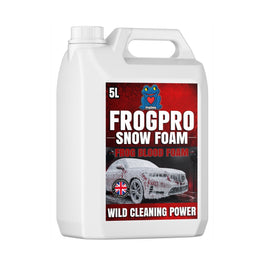
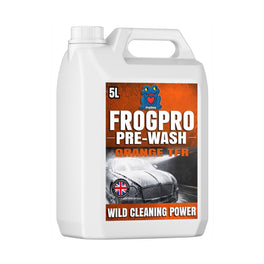
For heavily soiled vehicles, a pre-wash foam can help soften contamination before contact cleaning. It will not replace a traffic film remover where dense road grime is present, but it can improve coverage and reduce unnecessary brushing. Use a soft fleet brush only after the main grime has been loosened, and keep brushes clean. A contaminated brush is a quick way to mark painted panels and gloss cab trim.
Choose chemicals for the soil, not the label
Traffic film remover is the core chemical for most exterior fleet work, but strength should match the level of contamination and the surface being cleaned. Stronger is not automatically better. Over-concentrated product costs more, can be harder on sensitive finishes and may leave poor results if it dries on the panel.
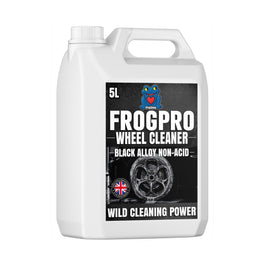
Wheel cleaners and degreasers should be used where they are needed rather than sprayed across the whole vehicle. Wheel areas can hold baked-on brake dust, road salts and oily deposits, while engine bays, fifth wheels and workshop equipment require products suited to grease. Keep acidic and highly alkaline products away from surfaces where the manufacturer does not recommend them, particularly bare aluminium, polished finishes and delicate trims.
For the cab, use a dedicated interior cleaner for plastics, vinyl, touchpoints and general grime. Glass cleaner should leave windscreens and mirrors clear with no smearing, especially when vehicles are regularly driven at night. Finish tyres with a non-slip dressing if presentation is a priority, but never apply product to tread, pedals, steps or any walking surface.
Always work to product labels and safety data requirements. Correct dilution, suitable PPE, ventilation and storage are part of a professional operation, not an optional extra.
The equipment that saves time every day
A dependable pressure washer is central to lorry fleet cleaning, but pressure alone is not the answer. Water flow, hose length, lance choice and chemical application all affect the speed and quality of the job. High pressure used too close to decals, seals, cameras, electrical connectors or damaged paint can create problems, so train staff to stand back and use a controlled fan pattern.
A foam lance or low-pressure chemical applicator gives more even coverage than trying to apply product by hand across a large body. For larger sites, a chemical-resistant pump, wall-mounted dosing equipment and longer-reach lances can reduce set-up time substantially. The investment is usually easier to justify when several vehicles are washed each week.
Your wash bay should also be organised around workflow. Keep chemicals clearly labelled, brushes off the ground, hoses protected from vehicle wheels and clean microfibres separate from dirty ones. A wet vacuum and interior tools may not be used every wash, but having them available prevents cab cleaning being delayed until the vehicle is already overdue.
For a practical fleet wash station, the key items are:
- A pressure washer with sufficient flow for commercial vehicle rinsing
- A chemical-resistant sprayer, foam lance or dosing system
- Traffic film remover, wheel cleaner, degreaser and cab-cleaning products
- Soft fleet brushes, wheel brushes and dedicated glass cloths
- Safe drainage arrangements and suitable PPE
Do not overlook water, drainage and compliance
A clean vehicle should not create a problem beyond the wash bay. Dirty wash water can contain oil, fuel residue, brake dust, detergents and road contamination. Your site needs appropriate drainage and wastewater controls for the work being carried out. This is particularly relevant for depots washing multiple vehicles, businesses close to surface water drains and fleets operating in areas with stricter local requirements.
Do not assume every drain is suitable for wash water. Check your drainage layout, speak to the relevant authority or landlord where necessary, and make sure staff know which areas are approved for vehicle washing. Interceptors, settlement systems or specialist wash-water arrangements may be required depending on the site and volume of work.
Water use deserves the same attention. A good pre-wash and correct chemical dilution can reduce the need for repeated rinsing and hard brushing. Fix leaking hose connections, use trigger guns that shut off properly and avoid leaving equipment running between vehicles. These small habits add up across a busy fleet.
Set standards drivers and staff can follow
The best cleaning plan fails if nobody knows what "clean" means. Set a realistic vehicle standard that suits the operation. It may include clear glass and mirrors, readable registration plates, clean lights, safe steps, presentable cab sides, mud-free rear doors and an interior free from loose rubbish. This gives drivers and wash staff a simple target without demanding a full detail after every shift.
Daily walkaround checks are a useful opportunity to spot cleaning needs before they become major jobs. A driver can report a fuel spill, cement splash, tar deposit or damaged decal while it is still fresh. Quick action is normally cheaper than leaving a contaminant to cure for days.
Keep a simple record of full washes, interior cleans and periodic deep cleans. There is no need to overcomplicate it, but a basic schedule helps managers see whether work is being completed and whether certain routes or vehicle types need more frequent attention. It also makes chemical ordering more predictable.
Protect the finish between washes
A protective wax or sealant can make regular fleet maintenance easier, particularly on painted cabs, vans and customer-facing delivery vehicles. Protection will not stop a lorry getting dirty, but it can reduce how firmly traffic film bonds to the surface and improve rinse-off during the next wash.
The trade-off is time. Applying protection to every large vehicle may not be worthwhile for a hard-working construction fleet, while a branded distribution fleet or dealership transport operation may see a clear benefit. Apply it as part of a scheduled deeper clean rather than forcing it into every wash.
Start with a process your team can repeat on a wet Wednesday as easily as on a quiet Saturday. Correct product choice, sensible dilution and clean equipment will do more for fleet appearance than a complicated routine that nobody has time to follow.