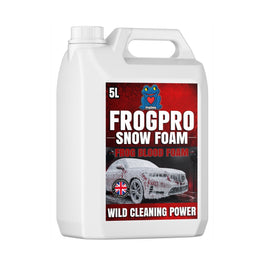
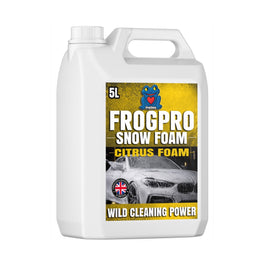
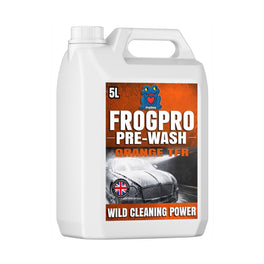
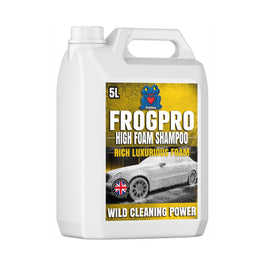
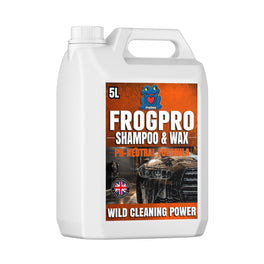
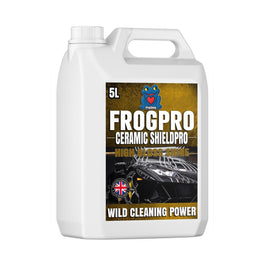
Freshly foamed paintwork can look dramatic on the drive or in the wash bay, but can snow foam damage paint? In normal use, no. A quality snow foam applied at the right dilution, left for the correct dwell time and rinsed properly is one of the safest ways to start washing a vehicle. It helps lift loose grit and traffic film before a wash mitt touches the surface - exactly what you want if you are trying to reduce wash-induced scratches.
The concern usually comes from poor product choice, over-strong mixing, letting chemicals dry out, or using too much pressure in the wrong place. Snow foam itself is not the enemy. Poor process is.
Can Snow Foam Damage Paintwork?
Most dedicated snow foams are designed as pre-washes. They coat the vehicle, soften and loosen surface contamination, then rinse away before the contact wash. This reduces the amount of abrasive dirt being dragged across the clear coat with a mitt or sponge.
A pH-neutral snow foam is generally the sensible default for regularly maintained cars, especially those with wax, sealant or ceramic protection. It will not strip sound factory paint or clear coat when used as directed. It may not remove every stubborn deposit, but that is not its job. Safe, routine cleaning is the priority.
Stronger alkaline or high-cleaning snow foams have their place. A working van, lorry, taxi or neglected daily driver can carry heavy traffic film that a gentle formula will not shift on its own. Used occasionally and at the recommended dilution, a stronger pre-wash can still be appropriate. The trade-off is that repeated use may shorten the life of a wax or other sacrificial protection, particularly if the vehicle is not rinsed thoroughly.
That does not mean the paint has been damaged. It means the protective layer has been weakened or removed, leaving the paintwork less water-repellent and more exposed to future contamination. Reapply protection when needed.
What Actually Causes Problems?
Paint damage blamed on snow foam is often caused by one of a handful of avoidable mistakes. The first is using a product that is too aggressive for the vehicle's condition or protection. Do not treat every car as if it needs a strong traffic film remover. Choose the cleaning strength based on how dirty it is.
The second is mixing the product too strong. Snow foam lances draw product and water together, so the bottle dilution and the lance setting both matter. More concentrate does not automatically mean better cleaning. It can create unnecessarily harsh residue, waste chemical and make rinsing harder. Follow the product instructions, then adjust cautiously if your water pressure, lance or vehicle type requires it.
Letting foam dry on the bodywork is another common issue. On a hot day, dark paintwork, glass and trim can heat up quickly. As the water evaporates, chemical residue and dissolved minerals are left behind. This can cause streaks or water spotting, and in severe cases may mark delicate finishes. Work in the shade where possible, clean one section at a time if necessary, and never leave foam to bake on the vehicle.
Pressure washing also deserves attention. A pressure washer is useful for rinsing loosened dirt away, but the nozzle should not be held close to paint edges, stone-chip damage, badges, decals or ageing trim. Excessive pressure can lift already compromised lacquer or force water behind seals. That is a pressure issue, not evidence that snow foam attacks paint.
Finally, do not overlook the condition of the vehicle. Peeling lacquer, poor-quality repair work, fresh paint, oxidised single-stage paint and damaged clear coat all need more care. If paint is lifting, snow foam did not create a sound paint failure from nowhere, but washing can reveal an existing weak area.
Protection Is Not the Same as Paint
A useful distinction for regular valeting is the difference between paint, protection and contamination. Snow foam may remove grime, road salts and oily film. A stronger formula may also reduce the performance of a wax, quick detailer or tyre dressing residue that has transferred onto lower panels. It should not remove properly cured factory paint.
Ceramic-coated vehicles are also not immune to poor washing. The coating itself is chemically resistant, but it can become clogged with traffic film, mineral deposits and oils. Using an appropriate pre-wash helps restore water behaviour without resorting to aggressive scrubbing. Avoid assuming that a ceramic coating means any chemical, at any dilution, is safe indefinitely.
How to Use Snow Foam Safely
Start with a cool vehicle out of direct sunlight. The panels do not need to be stone cold, but they should not be hot enough for water to flash-dry. If the vehicle is covered in thick mud, loose grit or winter salt, rinse the heaviest contamination first. This prevents the foam from being diluted immediately by a layer of mud.
Prepare the snow foam in a clean lance bottle using the manufacturer's dilution guidance. Water hardness, machine flow rate and foam lance design all affect the final mix, so a little testing is normal. Aim for an even, clinging layer rather than the thickest possible blanket. Very dense foam may look impressive, but useful dwell and cleaning performance matter more than social-media-style coverage.
Apply from the lower panels upwards. The dirtiest areas are usually behind the wheels, on sills, bumpers and the rear of the vehicle. Applying from the bottom helps avoid product running straight down untreated panels and gives you more even coverage. Do not forget the front grille, number plate recess and door shuts if they are being cleaned as part of a fuller valet.
Leave the foam to dwell for the stated time, usually a few minutes. Watch it rather than walking away. Once it begins drying, rinse it off. Rinse thoroughly from the top down, paying close attention to mirrors, grilles, window rubbers and panel gaps where residue can collect.
After rinsing, carry out a proper contact wash with a suitable car shampoo, a clean wash mitt and fresh rinse water. Snow foam is a pre-wash, not usually a complete wash. It loosens dirt but does not replace safe contact cleaning on most vehicles.
Choosing the Right Foam for the Job
For a well-kept personal car, a neutral snow foam is the practical all-round choice. It is gentle on paint protection and ideal for weekly or fortnightly maintenance washes. If the vehicle has recently been waxed, sealed or ceramic-coated, this approach helps preserve the finish while removing routine road grime.
For commercial fleets and high-mileage vehicles, cleaning power can matter more than preserving a wax layer for months at a time. A stronger formulation may be worthwhile for baked-on traffic film, diesel residue or winter road salt. Use it as part of a controlled process, not every time by default. A pre-wash that matches the soil level is more efficient, safer for surfaces and better value per wash.
Matte paint, satin finishes, vinyl wraps and paint protection film need extra consideration. Use products clearly suitable for those finishes, avoid harsh cleaners unless the manufacturer permits them, and rinse fully. Do not apply gloss-enhancing waxes or dressings to matte paint in an attempt to improve its appearance. The objective is a clean, even finish, not shine.
Freshly repainted vehicles are another exception. Bodyshops commonly advise waiting for the paint to cure before applying strong chemicals, waxes or coatings. Follow the bodyshop's guidance rather than assuming a normal wash routine is suitable straight away.
Signs Your Wash Routine Needs Adjusting
If water no longer beads or sheets as it used to after several washes, your wax or sealant may be fading. That is a cue to inspect the protection, not proof of paint damage. Clean the vehicle properly, decontaminate if required, and apply fresh protection.
White streaks, patchy marks or a dull appearance after snow foaming usually point to dried product, hard-water spotting or residue. Rewash the affected area in the shade with a suitable shampoo before reaching for abrasive polish. In many cases, the mark is on the surface rather than in the clear coat.
If you can see lacquer lifting, flaking paint or bare metal, stop using high pressure around that area. Deal with the underlying repair issue first. No wash chemical can compensate for failing paintwork.
For a home enthusiast or a busy wash operation, the best result comes from treating snow foam as the first controlled stage of a proper wash, not a shortcut. Select the cleaning strength the vehicle actually needs, keep panels cool, respect dwell times and rinse without delay. Done that way, snow foam helps keep the gloss you are trying to protect while making every contact wash safer.