A poor wash process usually shows up first on the wheels, lower doors and glass. Traffic film remains in the gaps, tyres look flat, and streaks appear as soon as the vehicle leaves the bay. The right vehicle valeting supplies guide is not about buying every bottle available. It is about building a practical setup that cleans safely, works at your pace and gives customers or your own vehicle a finish worth noticing.
For a hand car wash, dealership, mobile valeter or committed home user, the best supplies work as a system. Pre-wash chemicals loosen grime before contact washing. Suitable wash media reduce the risk of marring paintwork. Drying, protection and interior products then complete the job rather than covering up missed areas.
Start with the vehicle and the work you do
There is no single perfect valeting kit. A busy hand wash dealing with daily road grime needs economical, reliable products that can be diluted correctly and used quickly. A detailer preparing a high-value vehicle may need pH-neutral maintenance products, fallout removers and coating-safe options. A lorry fleet presents another set of demands, with larger panels, heavier contamination and the need for equipment that can cover ground efficiently.
Think about the vehicles you see most often, the water pressure available and how much time each job allows. This prevents the common mistake of using a strong cleaner where a gentler product would do, or spending too long correcting problems that a proper pre-wash stage would have prevented.
Vehicle valeting supplies guide: the essential wash stages
A dependable exterior clean follows a sensible order. Start from the dirtiest areas, remove loose contamination before touching paintwork, then protect the finish once it is clean.
Pre-wash and traffic film removal
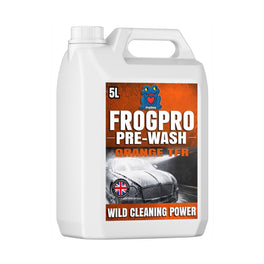
Traffic film remover is one of the most useful products for regular commercial work. Applied at the right dilution, it tackles the grey-brown road film that builds up on lower panels, bumpers, door shuts and vans used every day. It is particularly effective before pressure washing, as it helps lift dirt that shampoo alone may not shift.
Strength matters. A concentrated TFR can offer better value for high-volume operators, but only when it is measured and diluted accurately. Overly strong mixes can dull sensitive trim, strip existing protection or leave marks if allowed to dry. Use a chemical-resistant sprayer, work on cool panels where possible and follow the product directions for dwell time.
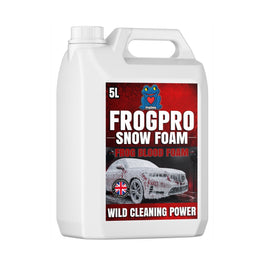
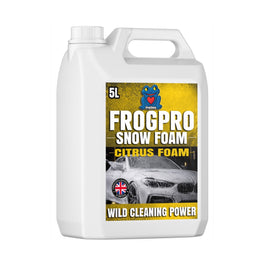
Snow foam is useful when you want more cling and a more controlled pre-wash. It is not a replacement for traffic film remover on every heavily soiled vehicle. For routine maintenance washes, a quality snow foam can soften loose grime and reduce how much dirt reaches your wash mitt. For vans, work vehicles and winter-soiled cars, a TFR-led pre-wash may be the more efficient choice.
Wheels, tyres and arches
Wheels deserve their own equipment. Brake dust, road salt and oily grime are abrasive, so never use the same mitt or brush on wheels that you use on paintwork. Keep a separate wheel bucket, dedicated brushes and a wheel cleaner matched to the wheel finish.
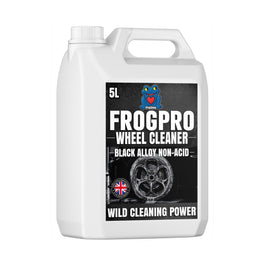
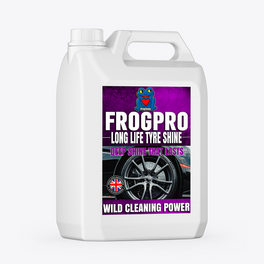
An alkaline wheel cleaner is often a practical choice for regular maintenance. More reactive fallout products can help where bonded iron contamination is present, but they are not always necessary for every wash and can add cost to a fast-turnaround service. Clean tyres and arches at the same stage. A tyre dressing only looks right when the rubber beneath it is properly clean and dry.
Contact wash and safe drying
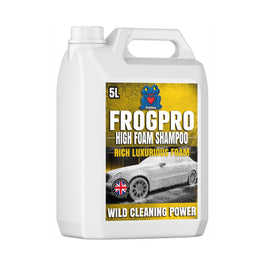
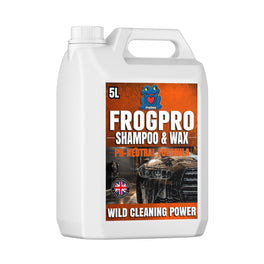
After rinsing away the pre-wash, use a lubricated car shampoo with clean water and a quality wash mitt or pad. pH-neutral shampoo is a sound default for cared-for paintwork because it is compatible with many waxes, sealants and ceramic coating maintenance routines. High-foam shampoo may improve feel and visibility, but lubrication and clean wash media matter more than foam alone.
For regular valeting, use a two-bucket method or a bucket with a grit guard. The aim is simple: keep removed dirt away from the mitt before it returns to the paint. Wash higher panels first, then work down to the lower sections. Rinse frequently rather than trying to stretch one bucket of dirty water through several vehicles.
Dry with clean microfibre drying towels or an air dryer where available. Old chamois and tired towels can drag contamination across the paint and cause fine scratches. Have enough towels in rotation to avoid using one that is already saturated or contaminated.
Protection that suits the job
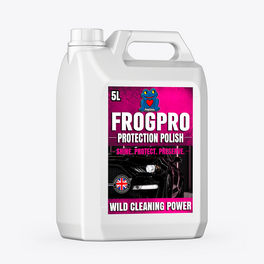
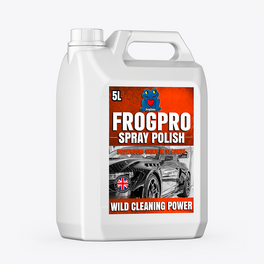
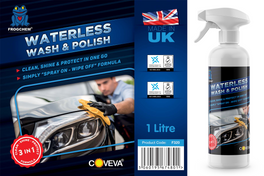
Protection should fit the customer’s expectations and the vehicle’s use. A quick spray sealant can add gloss and water behaviour after a maintenance wash with very little extra time. A durable wax or paint sealant is better suited to customers who want longer-lasting protection and are prepared to pay for the additional preparation.
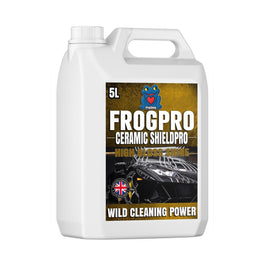
Ceramic coating products can provide strong durability and chemical resistance, but they demand more than a quick application. Paint must be thoroughly decontaminated, corrected where required and panel-wiped before coating. The application environment also matters. A coating is not a shortcut for poor preparation, and applying one outdoors in poor weather is rarely a good plan.
Glass cleaner, tyre dressing and trim dressing complete the exterior presentation. Use a low-residue glass cleaner with separate glass cloths, particularly on the inside of the windscreen. Greasy cloths and silicone-heavy dressings are a quick route to smears and glare.
Build an interior kit that works quickly
Interior valeting is where good product choice saves time. An all-purpose interior cleaner, fabric cleaner, glass cleaner, odour-control product and a suitable dressing will cover most routine jobs. Add brushes, detailing swabs, vacuum attachments and plenty of clean microfibre cloths, and you can deal with the majority of interiors without cluttering the trolley with duplicate products.
Vacuum before applying liquid cleaners. Sand, pet hair and dry debris are easier to remove when they are not mixed into damp carpet fibres. For fabric seats and carpets, avoid soaking the material. Work cleaner in lightly, agitate as needed and extract or blot thoroughly. Excess moisture can lead to lingering odours and longer drying times.
For plastic trim, the goal is clean and even, not shiny at all costs. A satin-finish interior dressing generally gives a more professional result than a greasy gloss product, especially on dashboards and steering-adjacent areas. Never dress pedals, steering wheels or gear selectors.
Air fresheners are a finishing product, not a cure for the source of an odour. If a vehicle smells of damp, smoke, pets or spilt drinks, locate and clean the affected material first. Otherwise, the fragrance simply sits on top of the problem.
Equipment choices that affect productivity
Good chemicals cannot compensate for weak equipment. Pressure washers, foam lances, sprayers, vacuums and pumps should be chosen for workload, not just purchase price. A compact pressure washer may suit a home user or mobile operator, while a fixed commercial wash setup needs consistent flow, durable fittings and easy access to replacement parts.
Check chemical compatibility before filling any sprayer or dosing system. Certain strong products need chemical-resistant seals and bottles. Label every diluted bottle clearly with the product name, dilution and basic handling information. This supports safer working and prevents staff applying the wrong cleaner to paint, glass or interiors.
For trade operations, standardising your setup makes training and stock control easier. If every bay uses the same labelled products, brush types and dilution ratios, quality is less dependent on guesswork. Keep a simple replenishment routine for high-use essentials such as TFR, shampoo, wheel cleaner, microfibre cloths and vacuum bags.
Avoid the costly shortcuts
The quickest way to damage a finish is to let products dry on hot panels, use dirty cloths or apply strong chemicals without checking their purpose. Another common issue is using one cloth for everything. Paintwork, wheels, glass, interiors and engine bays should each have separate, clearly identified cloths and tools.
Do not judge a product solely by how aggressive it feels. The best result usually comes from using the mildest effective chemical, allowing suitable dwell time and combining it with the right brush, pressure or wash media. This approach protects vehicle surfaces, reduces rework and makes each bottle go further.
A well-planned valeting kit should make every stage easier, from the first rinse to the final glass check. Whether you are turning around a busy forecourt or maintaining your own pride and joy, choose supplies around the jobs you actually perform, keep them clean and correctly diluted, and let the finish speak for itself.