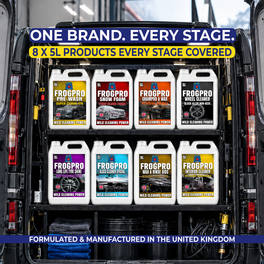
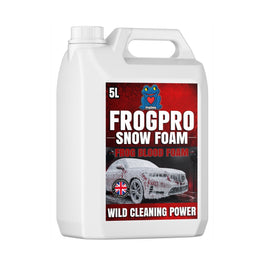
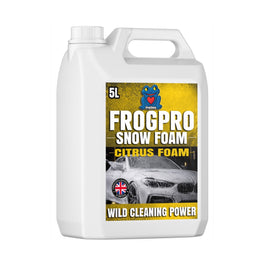
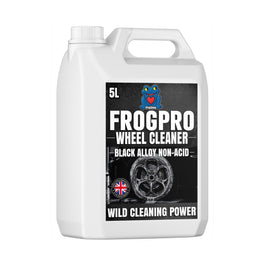
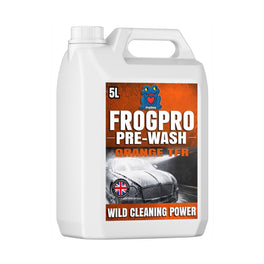
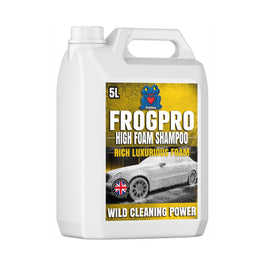
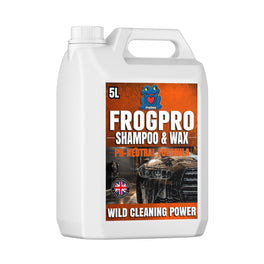
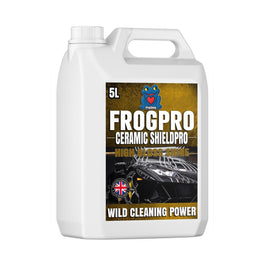
A shampoo can produce plenty of foam, smell great and still be the wrong choice for a protected vehicle. If you are asking which car shampoo is pH neutral, the useful answer is not simply a name on a bottle. It is a shampoo formulated to clean routine road grime while being gentle on paint, trim, glass and existing wax, sealant or ceramic protection.
For regular maintenance washing, a pH-neutral car shampoo is usually the sensible starting point. It is designed for the contact wash stage, where lubrication and safe dirt removal matter more than aggressive cleaning power.
What does pH neutral mean in car shampoo?
The pH scale runs from 0 to 14. A reading of 7 is neutral, below 7 is acidic and above 7 is alkaline. In vehicle cleaning, a genuinely pH-neutral shampoo is formulated close to pH 7 when used as directed.
That balance matters because highly alkaline cleaners can cut through traffic film, grease and old residues quickly, while acidic products can tackle mineral deposits and certain wheel contamination. Both have a place in professional valeting, but neither is normally the product you want for every weekly wash.
A neutral shampoo is made for maintenance. It should lift light dirt with surfactants, add lubrication so the wash mitt glides over the panel, rinse freely and leave the surface ready for drying. It is not intended to replace a traffic film remover, fallout remover or dedicated wheel cleaner when the vehicle is heavily soiled.
Which car shampoo is pH neutral for your wash routine?
Choose a product specifically described as pH neutral or pH balanced for vehicle paintwork, then check that it is suitable for the surfaces you plan to wash. A quality neutral shampoo should be safe for clear coat, gloss paint, most exterior plastics, rubber trims and existing protection when diluted correctly.
For a car that receives regular washes and has a wax, sealant or ceramic coating, use a straightforward pH-neutral maintenance shampoo. This is the best all-round option for private owners, dealership valeters and operators maintaining clean stock. It gives enough cleaning ability for normal dust, rain marks, light road film and everyday grime without needlessly shortening the life of your chosen protection.
If the vehicle has a ceramic coating, avoid assuming any shampoo labelled neutral will improve the coating. A good neutral formula should help preserve the coating's water behaviour by removing surface dirt cleanly. It will not repair a tired coating or restore hydrophobic performance where contamination has clogged the surface. In that case, correct decontamination may be needed.
For unprotected paintwork, pH neutrality is still worthwhile. It reduces the risk of drying out exterior trim or leaving the finish looking flat after repeated washing. However, neutral does not mean the shampoo will add durable protection. If you want extra gloss or water beading, follow the wash with a suitable quick detailer, spray sealant or wax.
Do not confuse pH neutral with weak
A neutral shampoo does not need to be ineffective. Good shampoos combine safe surfactants with lubrication and, in some cases, gloss-enhancing ingredients. The difference is that they are built to work with regular contact washing rather than relying on harsh chemistry.
The trade-off is simple. A pH-neutral shampoo may not remove baked-on grime from lower panels, diesel soot, heavy traffic film or winter salt on its own. Trying to compensate by using too much shampoo or scrubbing harder is poor practice. Pre-clean those areas with the correct product, rinse thoroughly, then use neutral shampoo for the contact wash.
Read the label, not just the front claim
“pH balanced” and “pH neutral” are often used loosely in car care. The first can mean a formula has been adjusted to a more surface-friendly level, but it does not always guarantee a true neutral reading. A reputable manufacturer should state the product's intended use, dilution ratio and compatible surfaces clearly.
Look for instructions that refer to regular vehicle washing, wax-safe cleaning or suitability for protected paintwork. Be cautious with products sold as a shampoo and powerful degreaser in one. They can be useful for commercial fleet washing or neglected vehicles, but they are unlikely to be the best choice for maintaining a freshly detailed car every weekend.
Also consider how the pH is measured. A concentrate may read differently from the wash solution in your bucket. The practical point is to use the recommended dilution, not judge a product by an undiluted spot test or by how strong it smells.
How to use a pH-neutral shampoo properly
Even the right shampoo can cause swirls if the wash process is poor. The safest results come from removing loose contamination before the mitt touches the paint.
Start with a thorough rinse, ideally with a pressure washer. Apply snow foam or a suitable pre-wash if there is visible road film, especially around sills, bumpers and rear panels. Allow it to dwell as directed, never letting it dry, then rinse it away.
Mix the shampoo at the stated ratio in clean water. If possible, use a two-bucket method with a grit guard, or use multiple clean wash mitts for very dirty vehicles. Work from the roof downwards, leaving wheels, lower panels and the rear of the vehicle until last. Rinse the mitt regularly and use light, straight passes rather than pressure.
Rinse the vehicle before shampoo dries on the surface, then dry it with a clean, absorbent microfibre drying towel. Drying is not just about avoiding water spots. It also lets you check whether the paint feels clean, whether the protection is still beading and whether any marks need separate attention.
When a neutral shampoo is not enough
There are times when a pH-neutral shampoo is the wrong first product, and that is not a fault in the shampoo. A white van used on motorway routes, a lorry collecting construction dust or a family car after weeks of winter commuting will often need a pre-wash stage with more bite.
Traffic film remover is designed for ingrained road dirt. An alkaline wheel cleaner may be needed for neglected tyres and wheel faces. An acidic wash product can be appropriate for stubborn mineral staining, but it needs careful product selection and correct use. These are targeted jobs, not replacements for the weekly shampoo.
After the stronger stage has done its work and been rinsed away, a neutral shampoo remains the right product for the contact wash. This approach is more efficient and much kinder to the finish than repeatedly attacking the whole vehicle with one aggressive cleaner.
Common mistakes that reduce shampoo performance
Overdosing is one of the most common errors. More concentrate does not automatically mean more cleaning power, and it can make rinsing harder. Follow the label and measure the dose, particularly in a busy valeting operation where inconsistent mixing quickly increases chemical costs.
Another mistake is washing in direct sunlight or on hot panels. Even a pH-neutral shampoo can dry too fast in these conditions, leaving residue or water spotting. Work in shade where possible, wash smaller sections and keep the vehicle wet.
Finally, do not use washing-up liquid as a substitute. It is made for kitchen grease rather than automotive paintwork, often lacks the lubrication needed for safe washing and can reduce the performance of wax or sealant. Proper car shampoo is a modest investment compared with correcting dull trim or wash-induced marring.
The practical choice for protected paintwork
For most routine washes, select a dedicated pH-neutral car shampoo from a professional car care range, mix it correctly and pair it with clean wash media. At FrogChem, that practical approach sits behind the wider wash process: use stronger chemistry only where the contamination demands it, and use a maintenance shampoo where paintwork needs safe, repeatable care.
The best bottle is the one that suits the vehicle's condition and your wash process. Keep a neutral shampoo as the regular workhorse, save specialist cleaners for specialist dirt, and your paintwork will stay cleaner, glossier and easier to protect wash after wash.