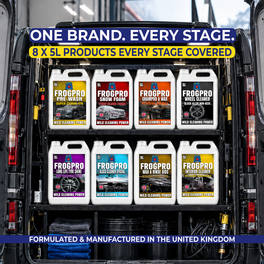
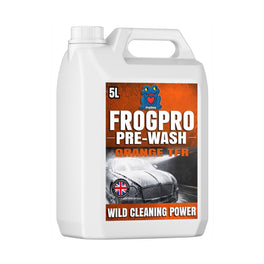
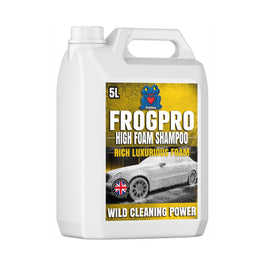
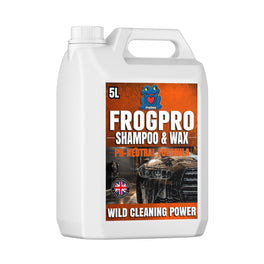
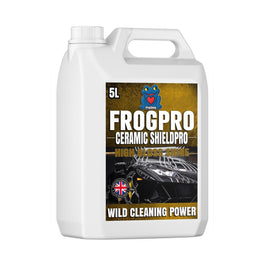
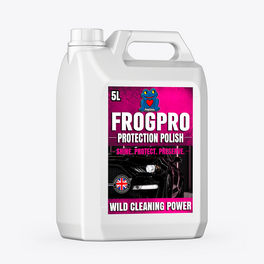
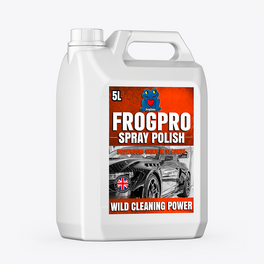
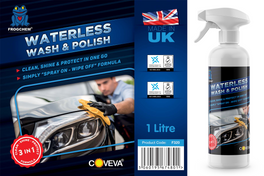
A ceramic wax comparison only makes sense when the products are judged on the job they need to do. A daily-driven family car, a dealership forecourt vehicle and a regularly maintained weekend car all need protection, but they do not necessarily need the same formula. The best choice is not always the product claiming the longest lifespan. It is the one that gives the finish, speed and maintenance routine you can realistically keep up.
The term “ceramic wax” also covers more than one type of product. Some are traditional waxes enhanced with SiO2 or ceramic polymers. Others are spray sealants with a ceramic label. A few sit closer to a coating, offering stronger chemical resistance but demanding more care during application. Knowing the difference prevents disappointment and helps you buy for results rather than packaging claims.
Ceramic Wax Comparison: What Are You Actually Comparing?
Before comparing durability figures, separate ceramic protection into its common forms. Traditional wax-based products generally give a warm, rich gloss and are easy to spread, buff and reapply. Ceramic ingredients can improve water beading and add a little more resilience than a standard carnauba wax, but they remain a sacrificial protective layer.
Ceramic spray waxes and wet-detailer style products are built for speed. They are ideal for busy valeters, hand car washes and owners who want to protect paintwork after each wash without adding a lengthy stage. Applied correctly to clean paint, they can sharpen gloss, improve water behaviour and make routine drying easier. Their trade-off is that they normally need topping up more often than a paste or liquid sealant.
Ceramic sealants usually offer a longer-lasting middle ground. These are often liquid products applied to dry paintwork, left briefly to bond, then levelled with a clean microfibre cloth. They tend to provide a crisper, glassier look than wax and better resistance to weather, road grime and wash chemicals.
Finally, dedicated ceramic coatings are a separate category. A true coating requires properly prepared paint, controlled application and careful curing. It can deliver much greater longevity, but it is not simply a stronger wax. For fast turnaround work or customers who do not maintain their car regularly, a ceramic wax or sealant may be the more practical option.
Gloss: Warm Shine or Glass-Like Reflection?
Gloss is subjective, but there are recognisable differences. A wax-heavy ceramic formula often adds depth, especially on black, blue, red and other darker colours. It can make paintwork look wetter and richer, which suits show cars and vehicles receiving frequent maintenance.
Ceramic sealants generally produce a cleaner, sharper reflection. On white, silver and grey vehicles, this crisp finish can make the paint look noticeably fresher without appearing overly dressed. Spray ceramic products vary widely, but the better ones can give an immediate lift that works well after a maintenance wash.
Do not expect protection to hide dull paint, oxidation or wash marring. Ceramic wax improves the way clean, prepared paint reflects light. It will not correct defects underneath it. For the best finish, wash thoroughly, remove tar and fallout where needed, decontaminate the surface, and polish if correction is part of the job. Protection should be the final layer, not a substitute for preparation.
Durability Depends on Use, Not the Label
Durability claims are useful as a guide, but real-world conditions decide how long a product performs. A car parked outside, driven daily on wet roads and washed with strong traffic film remover will lose protection sooner than a garaged vehicle cleaned carefully with pH-neutral shampoo.
A ceramic spray wax may offer several weeks of strong beading and gloss, particularly when used as a drying aid or maintenance topper. A quality ceramic wax or sealant can last for months when applied to well-prepared paint and maintained correctly. That does not mean the product has failed the moment water stops forming tight beads. Water behaviour changes gradually as contamination builds on the surface.
For trade users, consistency is often more valuable than chasing a headline durability number. Applying a fast ceramic protection every few washes can be more profitable and reliable than spending extra time applying a long-life product that the customer will not maintain. For enthusiasts, a durable sealant can reduce the frequency of full protection applications while still leaving room for a quick-detailer top-up before a meet or weekend drive.
Water Beading Is Useful, but Sheeting Matters Too
Tight water beads are satisfying to see, and they are a good sign that the surface is protected. They can help reduce water spotting by allowing droplets to roll away more readily. However, beading alone is not the whole story.
A product that encourages water to sheet off quickly can make drying easier, especially on larger vehicles, lorries and vans. Less standing water means fewer chances for mineral deposits to dry onto the paint. The ideal behaviour depends on how the vehicle is used and washed. A car stored outdoors may benefit from strong beading, while a valeter working quickly through several vehicles may value fast sheeting and easier towel drying.
Keep in mind that ceramic protection does not make a car self-cleaning. It reduces how strongly dirt bonds to the surface, but road film, salt, insects and industrial fallout still need proper removal. Regular safe washing is what preserves the finish.
Application Speed and Margin Matter for Trade Work
For a high-volume car wash or valeting operation, application time is part of the product cost. A premium sealant is not always the best business choice if it adds twenty minutes to every vehicle and offers no visible benefit your customer will pay for.
Spray ceramic waxes are hard to beat for speed. Depending on the formula, they can be applied to wet paint as a drying aid or to dry paint as a finishing product. Use only a small amount and spread it evenly. Overapplication is one of the most common reasons for smearing, high spots and difficult buffing.
Liquid ceramic waxes and sealants take longer but can suit enhancement details, used-car preparation and higher-value packages. They usually reward careful application with better uniformity and longer-lasting protection. Work panel by panel, use fresh microfibre cloths, and avoid applying in direct sun or onto hot panels unless the product specifically states otherwise.
For operators building packages, offer protection in clear tiers: a quick ceramic finish for wash-and-go customers, a longer-lasting sealant for valets, and coating preparation for customers investing in correction work. This makes the difference in price and labour easy to explain.
Chemical Resistance and Wash Routine
Ceramic protection should make future cleaning easier, not encourage aggressive washing. Strong alkaline cleaners, harsh acids and repeated use of powerful traffic film remover can shorten the working life of any wax or sealant. They have their place on heavily soiled commercial vehicles, but paint protection needs replenishing more often when those chemicals are part of the routine.
For protected paintwork, use an appropriate pre-wash, a quality shampoo and clean wash media. Avoid letting detergents dry on the bodywork. A maintenance ceramic spray after washing can restore slickness and water behaviour without stripping the base layer.
This is particularly relevant for hand car washes and fleet operators. If vehicles receive frequent strong chemical cleaning, a simple, repeatable protection programme often performs better than a one-off premium application followed by months of neglect. FrogChem customers can build that routine around the products and equipment that match their wash process, rather than treating protection as a separate afterthought.
Which Ceramic Wax Suits Your Vehicle?
Choose a ceramic spray wax if fast application, easy maintenance and immediate gloss are the priority. It suits weekly washers, busy valeters and anyone who wants to add protection without extending the job significantly.
Choose a ceramic wax or hybrid wax if you prefer a richer finish and do not mind a more hands-on application. It is a strong choice for well-kept private vehicles, dealership preparation and owners who enjoy maintaining their paintwork.
Choose a ceramic sealant if durability and chemical resistance matter more than the traditional wax look. It works well on daily drivers, fleet vehicles and cars that may only receive a full detail a few times a year.
Choose a dedicated coating only when the paint condition, preparation time and customer expectations justify it. Coatings are excellent products, but they are not automatically the right answer for every vehicle.
The most effective protection is the one applied evenly to clean paint and renewed before it has fully worn away. Start with the finish your customer or vehicle needs, then choose a ceramic product that fits the time available at every wash.