A busy wash bay can use a surprising amount of chemical, water and packaging before the first vehicle is finished. Switching to eco-friendly valeting products is not about accepting weaker cleaning or a duller finish. Done properly, it means choosing chemicals and processes that give dependable trade results while reducing unnecessary water use, harsh residues and avoidable waste.
For hand car washes, mobile valeters, dealerships and home detailers, the practical question is simple: will the product remove the dirt safely, work with existing equipment and leave the vehicle looking right? Environmental credentials only matter when the product performs consistently on real-world traffic film, brake dust, mud, salt and interior grime.
What makes valeting products eco friendly?
The term can cover several different improvements, so it is worth looking beyond a green label or a bottle colour. A more responsible product may use readily biodegradable surfactants, contain fewer hazardous ingredients, work effectively at lower concentrations or reduce the amount of water needed during cleaning. Concentrated formulas and refillable or recyclable packaging can also make a meaningful difference, particularly for businesses getting through several containers each week.
The best option depends on the job. A pH-neutral shampoo that is kind to waxed paintwork serves a different purpose from a heavy-duty traffic film remover used on fleet vans or lorries. Neither has to be ineffective, but each must be selected for the contamination level and used at the correct dilution.
There is also a difference between a product that is biodegradable and one that is suitable for every discharge route. Wash-water management, local drainage rules and oil separation still matter. No chemical label removes the need for sensible site procedures.
Eco friendly valeting products start with better chemical choice
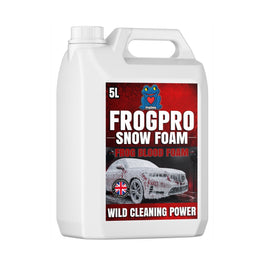
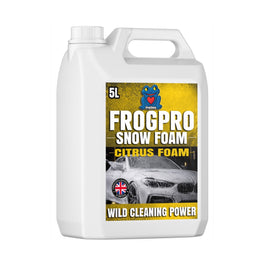
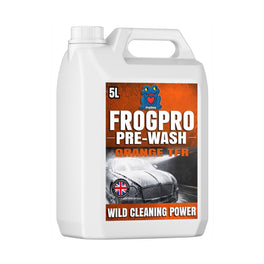
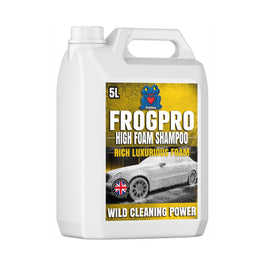
For routine exterior washing, concentrated shampoos, snow foams and pre-washes are usually the easiest place to improve a process. A good pre-wash softens and lifts loose road dirt before contact washing. That reduces the need to scrub, helps prevent wash-induced marring and can cut the amount of product used later in the job.
Look for formulas designed to clean at modest dilution rates rather than products that need a heavy dose every time. The supplier's dilution guidance should be treated as a working starting point, not ignored in favour of making every mix stronger. Overdosing rarely delivers a better result. It increases cost, leaves more residue to rinse away and can make glass, trim and paintwork harder to finish cleanly.
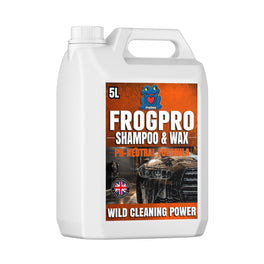
pH-neutral shampoo is a sensible maintenance choice for protected vehicles. It is generally more compatible with waxes, sealants and ceramic-coated surfaces than aggressive alkaline washes. That matters environmentally as well as commercially: preserving protection means the vehicle is easier to clean next time and does not need repeated correction work or premature reapplication.
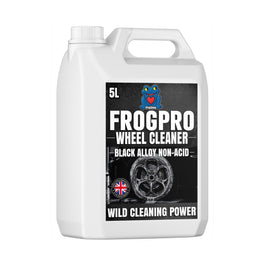
For wheels, choose the mildest product that will safely shift the contamination. Regularly maintained alloy wheels may only need a dedicated non-acidic wheel cleaner and agitation with the right brush. Heavily neglected wheels can need a stronger approach, but this should be the exception rather than the default. Acidic products can be effective in experienced hands, yet they bring higher surface-risk and handling considerations.
Interior cleaning deserves the same attention. Low-residue interior cleaners, fabric cleaners and glass cleaners help avoid strong lingering odours and reduce the temptation to use several products where one is enough. A clean, neutral finish is normally more professional than a heavily fragranced cabin that masks rather than removes the source of odour.
Water saving is part of the product decision
A chemical can have a considered formulation and still be used in a wasteful wash process. Water use is often where a valeting operation can make visible improvements without slowing down.
Use a trigger sprayer, pump sprayer or foam lance to apply product accurately to the area being cleaned. Covering every surface with more solution than needed is expensive and makes rinsing take longer. On large vehicles or repeat fleet work, calibrated dilution equipment is particularly useful because it keeps mixes consistent from operator to operator.
A pressure washer with suitable flow and pressure can remove loose contamination quickly, but more pressure is not always better. Excessive pressure at close range can damage badges, trims, tyre sidewalls and delicate paintwork. Work methodically, keep a safe distance and let the pre-wash do its job before rinsing.
Waterless and rinseless products have a place, especially for lightly soiled vehicles, showroom stock, maintenance cleans and mobile work where water access is limited. They are not a replacement for a full wash on a grit-covered vehicle. Wiping heavy contamination across paintwork is a false economy if it creates scratches that later need polishing out.
Use less product without compromising the finish
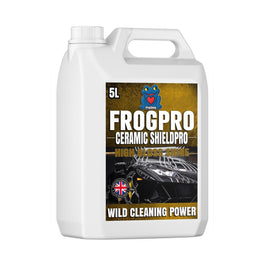
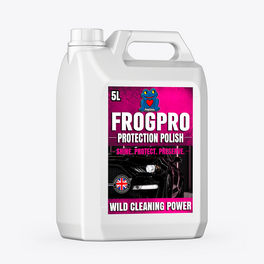
The most sustainable product is often the one that prevents rework. A durable protective layer can make day-to-day cleaning faster because dirt is less likely to bond tightly to the surface. Quality waxes, sealants and ceramic protection products can improve water behaviour, gloss and maintenance efficiency, provided the paintwork is properly prepared and the customer understands the aftercare.
Drying aids are another useful example. Applied correctly, they improve water run-off and lubrication during drying, reducing towel drag and helping operators use fewer towels per vehicle. The key is restraint. A light, even application is normally enough.
Microfibre management is equally important. Use separate cloths and wash media for paintwork, wheels, glass and interiors. Clean them after use with an appropriate textile wash, avoid excessive fabric conditioner and retire damaged cloths from paintwork duties. A clean, well-maintained microfibre towel will outperform a drawer full of cheap, contaminated cloths.
Packaging, storage and dilution matter in trade use
For a business, packaging waste adds up quickly. Larger concentrate containers can reduce the number of bottles used per litre of working solution, while reusable sprayers and clearly labelled dilution bottles make the wash bay safer and more organised. The trade-off is storage space and the need to handle concentrates carefully, so do not buy bulk quantities that cannot be stored securely or used within a sensible timeframe.
Every bottle should be labelled with the product name, dilution ratio and key handling information. Keep chemicals away from direct sunlight and extreme temperatures, and never decant products into unmarked containers. Mixing products is another avoidable risk. In particular, do not combine acidic and alkaline cleaners or assume two products are compatible because both are used for vehicle cleaning.
A simple dosing station can pay for itself where volumes are high. It reduces overuse, speeds up preparation and gives every member of the team the same starting point. For smaller operations, marked measuring bottles and disciplined mixing can achieve much the same result.
Check claims against the job at hand
When comparing products, ask what the claim actually means in practical terms. Is the formula biodegradable? Is it phosphate-free? Is it concentrated? Is the packaging recyclable in your local waste stream? Are safety information and dilution instructions clear? Specific information is more useful than broad statements such as “green” or “earth friendly”.
Professional users should also consider dwell time, compatibility with pressure washers and foam equipment, performance in hard-water areas, and how the product behaves on common surfaces such as polished aluminium, matt trim, vinyl wraps and ceramic coatings. A product that looks good on paper but causes staining, poor foam or inconsistent results is not the right choice for a fast-moving valeting operation.
FrogChem customers often need one supplier that can cover the chemical, applicator, wash media and equipment side of the job. That makes it easier to build a process where each stage supports the next rather than relying on random products that do not work well together.
A practical lower-waste valeting routine
Start with a visual check of the vehicle. Identify heavy contamination, sensitive finishes and areas that need a dedicated product, such as wheels, bugs, tree sap or interior spills. Treat those areas precisely rather than reaching immediately for the strongest cleaner.
Apply a suitable pre-wash, allow the recommended dwell time without letting it dry, then rinse thoroughly. Follow with a controlled contact wash using clean mitts and buckets or a suitable safe-wash method. Clean wheels with dedicated tools, then protect paintwork and trim where appropriate. Finish with careful drying, glass cleaning and a quick inspection under good lighting.
This approach is not complicated, but it cuts waste because the work is targeted. Less product is used where it is not needed, protection lasts longer and the final inspection catches residue or missed contamination before the vehicle leaves.
Eco friendly valeting is ultimately good process control. Choose products that earn their place in the wash bay, measure them properly and use the least aggressive method that delivers a properly clean vehicle. Customers will notice the finish first, but your operation will feel the benefit in lower chemical use, fewer repeat jobs and a cleaner way of working.