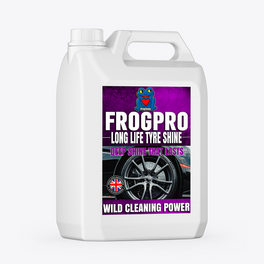
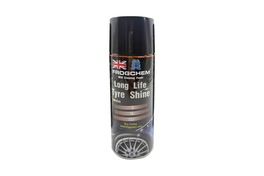
Freshly cleaned tyres can still make a vehicle look unfinished. Brown sidewalls, dried-out rubber and sling marks around the arches quickly undo the work put into washing the paintwork and wheels. A quality tyre dressing restores a deep, even appearance and helps the tyre look cared for between washes. The best tyre dressing products do more than add shine - they suit the vehicle, the working conditions and the finish your customer expects.
For a busy hand car wash or valeting bay, speed and consistency matter as much as appearance. For a home detailer, durability and a clean satin finish may be higher on the list. The right choice depends on the result you want and how well the tyres have been prepared beforehand.
What makes a tyre dressing worth using?
Tyre dressing is designed for the tyre sidewall, not the tread. It improves the appearance of clean rubber by darkening the surface and adding anything from a natural, factory-style satin sheen to a high-gloss wet look. Many formulas also leave a water-repellent layer that slows down the return of road grime.
A good product should apply evenly, dry without leaving a greasy feel and stay where it is put. That last point matters. A dressing that spins off onto paintwork or wheel faces is not only frustrating, it creates extra cleaning work and can spoil an otherwise sharp handover.
The finish is not a measure of quality on its own. A very glossy dressing can look right on a showroom vehicle, executive car or weekend detail, while a subtle satin dressing is often the better choice for daily drivers, fleet vehicles and customers who want a smart but believable finish. The best result is the one that matches the vehicle and is applied properly.
Best tyre dressing products: choosing the right type
Most tyre dressings fall into a few practical categories. Understanding them makes buying and using them far easier.
Water-based dressings
Water-based tyre dressings are a strong all-round option for regular valeting. They are generally easy to spread, offer a controlled satin-to-gloss finish and are less likely to create excessive sling once allowed to dry. They are particularly useful where several vehicles need turning around quickly and a clean, uniform result is the priority.
Their trade-off is durability. Repeated rain, road spray and strong wheel-cleaning chemicals can reduce the finish sooner than with a more durable solvent-based formula. For routine maintenance washes, that is often acceptable - especially when the dressing is quick to reapply.
Solvent-based dressings
Solvent-based products tend to produce a richer, darker finish and often hold up well in wet conditions. They can be a sensible choice for vehicles that spend long periods outdoors, for used-car preparation or when a pronounced gloss is requested.
They need more care during application. Use a small amount on a dedicated tyre applicator rather than spraying heavily into the wheel arch. Allow proper drying time and buff away any excess. Overapplication is the usual cause of sling, not necessarily the product itself.
Gel and thick dressings
Gels are popular when control matters. Their thicker consistency means less product runs onto alloys, driveways or the floor, and they work well on tyres with raised lettering or textured sidewalls. A gel can also be economical because it is easy to place exactly where it is needed.
The slower application can be a drawback for high-volume sites. On the other hand, for a detailer preparing a vehicle for collection, the extra control can be worth the time.
Spray dressings
Spray tyre dressings are convenient for quick enhancement, particularly on clean, well-maintained tyres. They can cover awkward patterns easily, but direct spraying can lead to overspray on wheel faces and bodywork. For the tidiest result, spray onto an applicator first, then work the dressing around the sidewall.
They are useful in a fast wash process, but convenience should not replace preparation. A spray dressing applied over old browning or embedded grime will only make the tyre look patchy.
Start with a properly clean tyre
Tyre dressing cannot fix a contaminated sidewall. Tyres collect road film, old silicone dressings, brake dust and a brown discolouration often caused by tyre bloom. If this is left in place, the new dressing may streak, fail early or turn the tyre brown again within days.
Wash the wheel and tyre first, using a suitable tyre or wheel cleaner and a firm tyre brush. Work around the full sidewall, including the area close to the rim protector. Rinse thoroughly and repeat until the foam is no longer brown or heavily soiled. On neglected tyres, a second or third pass is normal.
Drying matters too. Dressings bond and level better on a dry tyre. If time is short in a trade setting, blow out standing water from lettering and grooves, then use a clean microfibre cloth before application. This small step helps prevent diluted product, uneven sheen and unnecessary product use.
How to apply tyre dressing without sling
The most reliable method is simple: apply less than you think, let it settle, then assess the finish. Saturating the sidewall rarely improves durability or gloss. It only increases the chance of product being thrown onto the vehicle once it moves.
Put a modest amount of dressing onto a curved foam applicator and spread it around the sidewall in a complete, even coat. Work it into lettering and texture rather than leaving blobs on the surface. Leave it to dry according to the product instructions, then add a second light coat if a deeper finish is wanted.
For an OEM-style look, apply one coat and lightly buff the tyre after it has flashed off. For a glossier presentation finish, layer two thin coats with drying time between them. Never dress the tread, pedal surfaces or any area where grip is required.
Before releasing a vehicle, inspect the lower bodywork and wheel faces for excess product. This is especially worthwhile after applying a high-gloss dressing on a dark-coloured car, where sling is highly visible.
Durability depends on more than the bottle
It is reasonable to expect tyre dressing to fade with mileage and weather. Rain, salted winter roads, aggressive pre-wash products and strong alkaline cleaners all shorten its life. The claim of a long-lasting finish should therefore be judged against the vehicle's use, not just the time since application.
A daily-driven car in a British winter may need its tyres refreshed at every proper wash. A garaged vehicle used mainly at weekends may hold its appearance for much longer. Fleet and lorry operators may prefer a cost-effective satin dressing that is quick to use, while a detailing customer may be happy to pay for a more durable, richer finish.
Application quality also changes longevity. Clean rubber, thin coats and adequate drying will usually outperform a heavy application on an unprepared tyre. If a dressing does not last, review the cleaning stage and the product amount before assuming the formula is at fault.
Matching the finish to the job
For dealership preparation and retail handovers, a clean medium-gloss finish usually photographs well without appearing artificial. For regular valeting packages, satin dressings make practical sense: they look tidy, are quick to apply and are easy to maintain. For show cars or customers who specifically ask for a wet look, a layered gloss product can deliver the stronger visual impact they want.
Tyre age is another factor. Older, faded sidewalls often benefit from a darker dressing, but deeply cracked or perished tyres need replacement rather than cosmetic improvement. Dressing is a finishing product, not a safety treatment.
Keeping a water-based dressing for everyday work and a longer-lasting gloss or gel dressing for premium jobs gives a valeting operation useful flexibility. It also prevents using an expensive, high-shine product where a simple factory-fresh finish would do the job better.
A well-dressed tyre should not be the loudest part of the vehicle. It should make clean wheels, sharp arches and polished paintwork look complete. Choose a finish that fits the job, prepare the rubber thoroughly and apply it with restraint - that is how a small final step delivers a properly professional result.