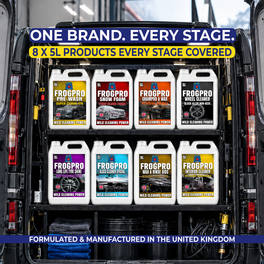
You can ruin a good wash before you even touch the paint. Use a harsh cleaner in place of a proper car shampoo and you strip protection, drag grime across the surface and make routine washing harder than it needs to be. For trade users, that means slower turnaround and inconsistent finish quality. For home users, it usually means a car that looks clean for a day and flat by the weekend.
A decent shampoo is not there to do every job. It is there to lift everyday dirt, provide lubrication for safer contact washing and rinse clean without leaving the surface dull or sticky. That sounds simple, but the difference between a usable product and a poor one shows up quickly in how the mitt glides, how much product you need per bucket and what the paint looks like once dry.
What a car shampoo should actually do
The first job of a car shampoo is controlled cleaning. It needs enough cleaning power to break down road film, dust and light organic contamination, but not so much bite that it strips waxes, sealants or toppers every time you wash. If you are maintaining vehicles regularly, that balance matters far more than aggressive cleaning claims on the label.
Lubricity is the second part that gets overlooked. When you are washing by hand, the shampoo is helping your mitt move over the paint with less friction. That lowers the chance of putting fine wash marks into soft clear coat. On dark vehicles especially, the wrong shampoo often shows itself after a few months, not after one wash.
Then there is rinse behaviour. A good shampoo should rinse freely and leave the panel ready for drying, not cling to the surface or leave heavy residue behind. If a shampoo is difficult to rinse, it slows the job down and can interfere with drying aids or protection products applied afterwards.
Car shampoo versus traffic film remover and snow foam
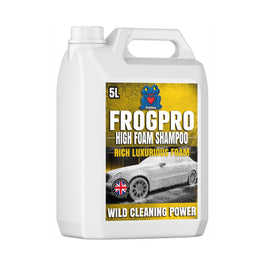
This is where a lot of buyers get crossed wires. Car shampoo is generally your contact wash product. It is not a replacement for traffic film remover, and it is not automatically the same thing as snow foam.
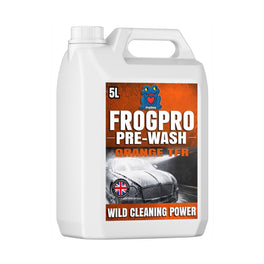
A traffic film remover is designed to tackle heavier road grime before contact. It is useful when vehicles are carrying built-up dirt, especially on lower panels, vans, fleet vehicles and winter-driven cars. It does a different job, and in many cases it reduces the amount of dirt left for your mitt to deal with.
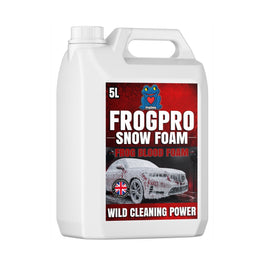
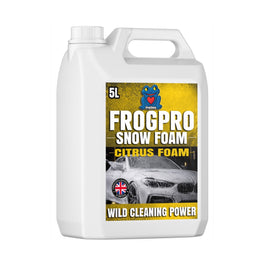
Snow foam sits in a similar pre-wash space, depending on the formula. Some are cleaning-focused, others are more about dwell and lubrication. They help soften and loosen contamination before the hand wash stage.
The car shampoo comes into its own after that. It is the product that gives you safe contact cleaning and finish quality. If you expect one bucket of shampoo to replace every pre-wash step on a heavily soiled vehicle, you will either overwork the product or overwork the paint.
pH neutral or strong cleaning - which is right?
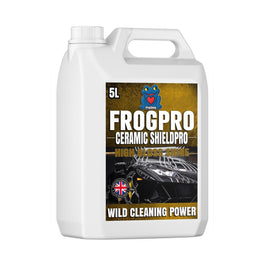
A lot of buyers go straight to pH neutral, and often for good reason. A pH neutral car shampoo is usually the safer choice for regular maintenance washing, especially if the vehicle has wax, sealant or ceramic protection that you want to preserve. It gives you dependable cleaning without constantly attacking the protective layer underneath.
That said, pH neutral is not automatically better in every situation. If you are dealing with neglected vehicles, oily residue or heavier grime, a stronger shampoo may save time and improve the wash result. This is common in trade environments where vehicles arrive in mixed condition and speed matters.
The trade-off is straightforward. Stronger cleaning can shorten the life of existing protection, while gentler formulas may need support from a better pre-wash stage. The right choice depends on whether your priority is maximum preservation or faster dirt removal.
Wash and wax shampoos - useful or a compromise?
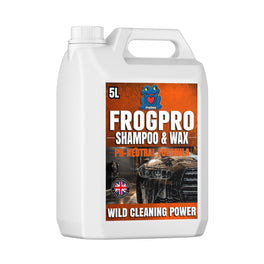
Wash and wax products have a place, but they are not magic. They can be useful when you want to add a bit of gloss and water behaviour during a maintenance wash without taking extra steps. For busy valeters, mobile operators or drivers who just want a presentable finish with minimal effort, that convenience can be worthwhile.
The compromise is control. A dedicated shampoo followed by a separate wax or sealant usually gives a better, more predictable result. Combined formulas are practical, but they will not always suit coated vehicles, and they can interfere with some maintenance routines if you want the surface left bare for another product.
If you are washing customer cars with different protection types, it often makes more sense to keep a straightforward shampoo in rotation and add finishing products only when needed.
How to choose the right car shampoo
Start with how often the vehicle is washed. If it is cleaned weekly or fortnightly, a pH neutral maintenance shampoo is usually the sensible option. It keeps the wash safe and consistent and helps preserve any protection already on the paint.
Then look at vehicle type and use. A privately owned hatchback that does local miles has very different needs from a black executive saloon, a driving school car or a fleet van seeing motorway grime every day. Commercial vehicles and high-mileage cars often benefit from a more structured wash routine, with pre-wash chemicals doing the heavy lifting and shampoo handling the contact stage.
Water behaviour matters too. In hard water areas, some shampoos are easier to work with than others. Better rinse performance and lower residue can make a noticeable difference, especially if you are washing outside and cannot always dry immediately.
Finally, think about cost per wash rather than bottle price. Trade buyers know this already, but it applies at home as well. A cheaper shampoo that needs a heavy dose every time is not really cheaper. The better measure is how many effective washes you get, how easily it works and whether it supports the finish standard you need.
Using car shampoo properly
Even a strong product will disappoint if the wash method is poor. Start on a cool surface and out of direct sun if you can. Pre-rinse the vehicle properly so you are not taking loose grit straight into the contact wash.
Use the shampoo at the recommended dilution. Overdosing does not always improve cleaning, and it can make rinsing worse. Under-dosing usually cuts lubrication and cleaning ability, which is where wash marring starts to creep in.
A two-bucket method is still a sensible move for anyone who cares about finish quality. One bucket for shampoo solution, one for rinsing the mitt. On dirtier vehicles, that extra control is worth having. If you are working at volume, the same principle applies even if your setup is more commercial.
Wash from the top down. The lower panels, rear end and sills are carrying the heaviest contamination, so leave them until last. Rinse thoroughly and dry with a proper drying towel rather than letting water sit and spot.
Common mistakes that make a car shampoo look bad
Sometimes the shampoo gets blamed for problems caused elsewhere in the process. Using household detergents is the obvious one. They may cut through grime, but they are not built for paintwork care and can strip protection fast.
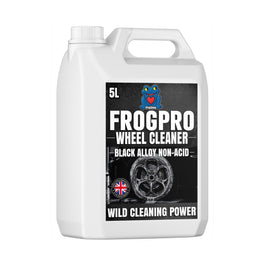
Another mistake is relying on shampoo to deal with bonded contamination, wheel fallout or stubborn traffic film. If the surface still feels rough after washing, that does not always mean the shampoo failed. It often means the vehicle needs decontamination, not another pass with the mitt.
Poor accessories also drag results down. An old sponge, a rough wash pad or dirty buckets will do more harm than switching between two decent shampoos ever will. Product choice matters, but process and tools matter just as much.
What trade users should look for
If you are buying for a valeting bay, dealership prep line or mobile round, consistency matters more than marketing language. You need a car shampoo that mixes easily, behaves predictably across different weather conditions and gives staff a finish they can repeat day after day.
You also want compatibility with the rest of your wash process. That includes pre-wash chemicals, drying aids and any protection products you apply after cleaning. A shampoo that looks good on one car but clashes with the rest of your setup is not efficient.
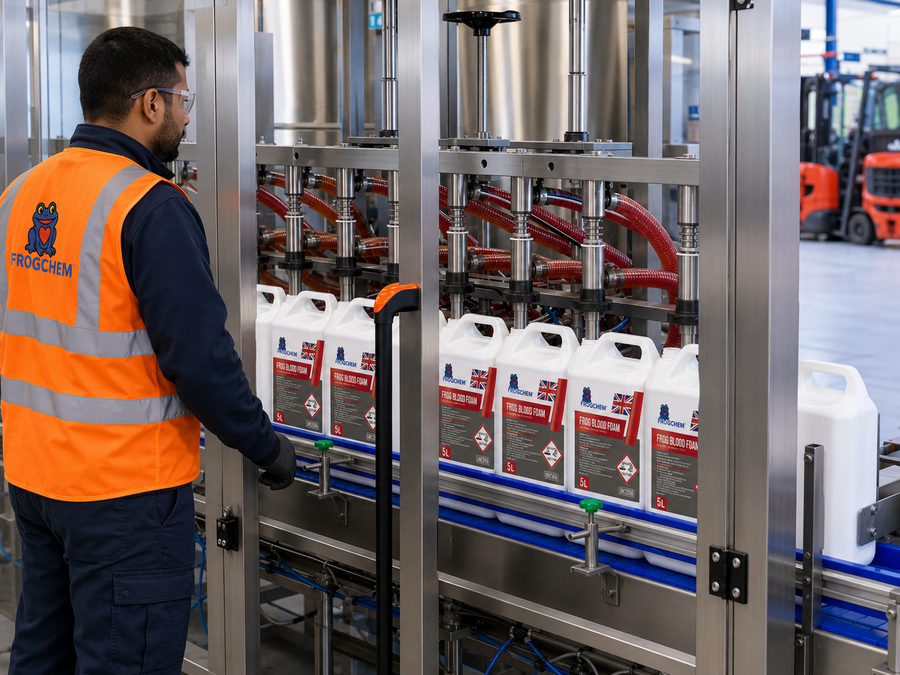
Storage, pack size and replenishment matter as well. A reliable supplier with depth across chemicals and equipment saves time, particularly when you are managing regular stock needs rather than buying one bottle on impulse. That is part of why serious operators tend to buy from specialists such as FrogChem rather than piecing orders together from general retailers.
The best car shampoo is not the one with the loudest label. It is the one that fits your wash routine, cleans effectively without unnecessary side effects and leaves the paint ready for whatever comes next. Get that choice right and every wash becomes easier, safer and more consistent, whether you are turning around customer vehicles or just keeping your own pride and joy looking properly cared for.