If your wheels still look dirty after the rest of the vehicle is spotless, the problem usually is not effort. It is product choice. A good wheel cleaner cuts through baked-on brake dust, road salt, traffic film and tyre grime without leaving you scrubbing for half an hour or risking damage to the finish.
Wheels take more punishment than almost any other exterior surface. They sit closest to the road, collect metallic fallout from brakes, and deal with water, grit, tar and winter contamination every day. That is why the wheel cleaner you use matters. The right one saves time, improves results and lowers the chance of marking lacquer, staining bare metal or stripping protection you wanted to keep.
Choosing a wheel cleaner for the job
There is no single wheel cleaner that suits every wheel, every finish and every level of contamination. That is where a lot of frustration starts. Someone buys the strongest product they can find, uses it on a lightly dusty set of coated alloys, and wonders why the finish now looks flat. Or they use a gentle maintenance product on heavily neglected wheels and end up wasting time with repeat applications.
For regular maintenance washes, a milder wheel cleaner is often the better call. If the wheels are cleaned weekly or fortnightly, you usually do not need aggressive chemistry. A pH-neutral or finish-safe product gives enough cleaning power for fresh brake dust and road film while being kinder to protective coatings, wax layers and sensitive finishes.
For neglected wheels, stronger chemistry has its place. Acid-free heavy-duty cleaners and fallout-reactive formulas are useful when brake dust has bonded to the surface and ordinary shampoo will not shift it. If you are dealing with commercial vehicles, high-mileage cars or fleet work, that extra bite can make a real difference to labour time.
The trade-off is simple. More cleaning power can mean more care is needed in how the product is used. Always match the cleaner to the wheel condition rather than assuming stronger is automatically better.
Different wheel cleaner types and when to use them
pH-neutral wheel cleaner
This is the safe all-rounder for routine maintenance. It is a strong option for coated alloys, painted wheels and vehicles that are cleaned regularly. It will not always shift months of built-up contamination on its own, but for ongoing valeting work it is often the most sensible choice.
Iron fallout and reactive wheel cleaner
These products are designed to attack metallic brake dust. They are particularly useful on modern alloys that collect dark, stubborn deposits around the spokes and inner barrels. If a wheel cleaner changes colour as it reacts, that is usually a sign it is targeting iron contamination rather than just surface dirt.
They are effective, but not always necessary for every wash. If the wheels only carry light road film, a maintenance cleaner may do the job faster and at lower cost per use.
Heavy-duty non-acid wheel cleaner
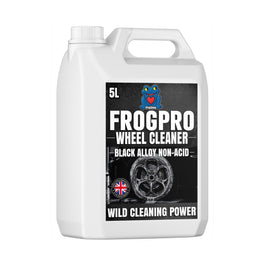
This is where you turn when wheels are heavily soiled, neglected or used in harder conditions. Lorries, driving school cars, dealership stock and daily drivers through winter often need more than a gentle spray-on wash. A stronger non-acid formula can break down stubborn grime without the risks associated with harsher acid-based products.
Acid wheel cleaners
These still exist in parts of the trade, but they need careful handling and are not the first choice for most users. On damaged, uncoated, polished or sensitive wheels, acid can create expensive problems very quickly. Unless you know the finish, the dwell time and the exact product behaviour, safer alternatives usually make more sense.
Why wheel finish matters
Not all wheels can be treated the same. Painted and lacquered alloys are generally more forgiving than bare polished metal, anodised finishes or damaged rims with stone chips and corrosion. Once lacquer is compromised, strong chemicals can creep into weak spots and make staining or peeling worse.
That is why finish awareness matters just as much as cleaning power. If you are cleaning a newer, protected wheel, you can usually work with a safer product and light agitation. If you are dealing with older alloys, unknown aftermarket finishes or visible damage, caution beats aggression every time.
This is also where trade users tend to think differently. In a busy valeting bay, speed matters, but so does avoiding comeback. Saving three minutes on a wash means very little if the customer notices finish damage later.
How to use wheel cleaner properly
Technique makes a bigger difference than many people expect. Even a strong wheel cleaner will underperform if it is sprayed onto a hot wheel in direct sun and left to dry. On the other hand, an average product can perform well when used correctly.
Start with cool wheels. Heat causes products to evaporate faster, which shortens dwell time and increases the risk of spotting. Rinse first to remove loose grit. That reduces the chance of dragging abrasive dirt across the surface when you agitate.
Apply the wheel cleaner evenly, paying attention to the inner barrel, around wheel nuts and behind the spokes where contamination builds up. Give it time to work, but follow the product instructions rather than guessing. A short dwell is often enough on regular maintenance washes. Heavier contamination may need a second application rather than a longer, riskier dwell.
Agitate with the right tools. A dedicated wheel brush, barrel brush and soft detailing brush will do more than brute force ever will. Tyres should be cleaned separately with a suitable brush because the grime on sidewalls is different from the contamination on the wheel face.
Rinse thoroughly. Any cleaner left sitting in crevices, around valve stems or behind centre caps can cause problems later. If the finish still looks rough after rinsing, the wheel may need decontamination rather than more of the same product.
Common mistakes that cost time and finish quality
One of the biggest mistakes is using the same brush on wheels and paintwork. Wheels collect metal particles and heavier grit, so cross-contamination is a quick route to scratches elsewhere on the vehicle.
Another is overusing product. More chemical does not always mean more cleaning. It often means more waste and more rinsing. The better approach is using enough product to cover the area properly, then supporting it with the right brush and dwell time.
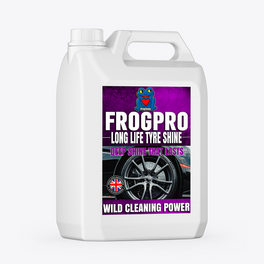
People also underestimate tyre browning. If the tyre still looks brown after the wheel face is clean, the whole job appears unfinished. That is not a wheel cleaner failure. It usually means the tyre needs a proper cleaner to strip old dressing and contamination before a fresh finish is applied.
Finally, there is the habit of leaving wheels until last on heavily soiled vehicles. In most cases, wheels are better tackled early in the wash process so splashes and runoff can be dealt with as part of the main clean.
What trade buyers should look for
If you are buying for volume use, performance per litre matters more than label claims. A wheel cleaner for a professional setup needs to be effective, predictable and easy for staff to use consistently. That means clear dilution guidance where relevant, strong compatibility with common wheel finishes and enough cleaning power to reduce repeat work.
Packaging matters too. In busy wash environments, reliable trigger bottles, larger refill sizes and products that integrate well with sprayers and standard accessories make day-to-day work easier. There is no point buying a premium cleaner if the application method slows the team down.
For mixed fleets or varied customer vehicles, it often makes sense to keep more than one option on hand - a maintenance wheel cleaner for regular jobs and a stronger product for neglected or high-contamination work. That gives you flexibility without forcing every wheel through the same process.
For home users, simpler usually works better
If you are cleaning your own car at home, do not overcomplicate it. A safe, effective wheel cleaner paired with decent brushes and good washing habits will outperform a shelf full of specialist products used badly. Most private vehicles do not need the strongest chemistry on every wash.
What matters more is consistency. Clean the wheels often enough that contamination never gets deeply baked on, and the whole process becomes faster. You use less product, do less scrubbing and keep the finish looking fresher for longer.
If your vehicle produces heavy brake dust or sees plenty of motorway miles, you may want a reactive cleaner in reserve for periodic deeper cleans. But for routine upkeep, a dependable maintenance product usually gives the best balance of speed, safety and cost.
A wheel cleaner should make the job easier, not more complicated. Pick one that suits the finish, the dirt level and the way you actually wash vehicles, and you will get better results with less effort - which is exactly what good detailing chemistry is supposed to do.