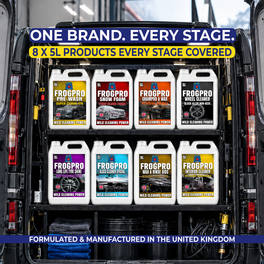
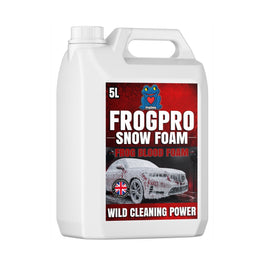
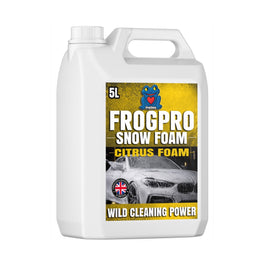
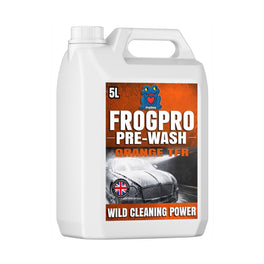
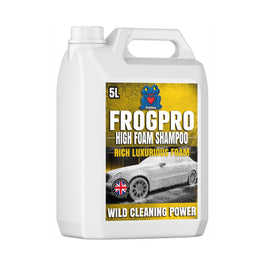
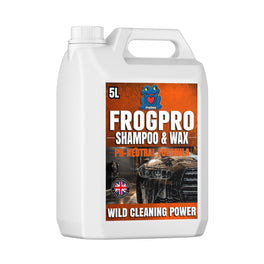
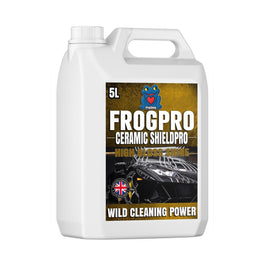
If your wash routine starts with a sponge on dry, gritty paintwork, you are making life harder for yourself. Knowing how to use snow foam properly means removing a good layer of dirt before any contact wash begins, which helps reduce swirls, speeds up cleaning, and gives you a better finish whether you are washing one family car or a full trade fleet.
What snow foam actually does
Snow foam is a pre-wash product designed to loosen and lift dirt, road film and general grime before you touch the vehicle with a mitt. It is not there to replace your shampoo in most cases, and it is not magic on its own. What it does well is soften contamination and hold cleaning agents on the surface long enough to break down the worst of the dirt.
That matters because most wash damage happens during contact. If heavy grime is still sitting on the paint when you start hand washing, you are far more likely to drag that dirt across the panel and mark the finish. A decent snow foam stage lowers that risk and makes the shampoo stage noticeably easier.
For trade users, it also improves workflow. Vehicles come out cleaner with less effort in the contact stage, and that saves time across multiple washes. For home users, it is one of the easiest upgrades to a safer wash routine.
How to use snow foam: the equipment you need
To apply snow foam properly, you need a pressure washer and a foam lance or foam bottle designed to work with it. The lance mixes water, air and product to create the thick foam blanket most people are looking for. Without that setup, you will struggle to get the cling and dwell time that make snow foam effective.
The quality of the equipment matters. A weak pressure washer or a poor foam lance can produce watery foam that runs straight off the panels. That does not always mean the chemical is bad - sometimes the issue is dilution, water pressure, or the lance adjustment.
You also need clean water, a suitable snow foam product, and ideally a shaded area to work in. If the car is hot and the product dries too quickly, performance drops and you increase the chance of residue.
Start with the right dilution
One of the most common mistakes is using far too much product or far too little. Snow foam should be diluted according to the product instructions and the level of soiling. Light maintenance washes usually need less product than heavily contaminated vans, 4x4s or winter-driven cars.
A thicker foam is not automatically a better foam. People often chase shaving-cream thickness because it looks impressive, but performance comes from chemical action, dwell time and coverage, not just visual drama. Some high-performing snow foams are slightly wetter and still clean extremely well.
If you are washing commercially, consistency matters more than guesswork. Use the same measured dilution each time, then adjust only when conditions or soil levels change. That keeps costs under control and gives more predictable results.
Pre-rinse or foam first?
This depends on the vehicle and the dirt load. On a heavily soiled vehicle with thick mud, grit or caked traffic film, a quick pre-rinse makes sense. It removes the loose, heavy contamination first so the snow foam can work directly on what remains.
On a lightly dirty car, many users go straight in with foam. That can work well, especially when the aim is to maximise dwell time on a dry or lightly damp surface. There is no single rule that fits every vehicle. The right choice depends on how dirty it is, what type of contamination you are dealing with, and how strong your pre-wash chemical is.
Apply from the bottom up
When learning how to use snow foam, application technique is often overlooked. The best approach is usually to apply it from the bottom of the vehicle upwards. That sounds backwards at first, but it helps create more even coverage and reduces patchy run-off on lower, dirtier areas.
Make sure you cover the front bumper, lower doors, rear end and sill areas properly, as these usually carry the heaviest grime. On vans and larger vehicles, work methodically so you do not miss sections.
You want a full, even coat rather than random thick patches. Good coverage gives the product the best chance to dwell consistently across the vehicle.
Let it dwell, but do not let it dry
Dwell time is where snow foam earns its keep. Once applied, leave it on the surface long enough to loosen dirt and grime. In normal conditions, around 5 to 10 minutes is common, but always follow the product guidance.
The key point is simple: let it work, but never let it dry out. If the weather is warm, windy or bright, the safe dwell time will be shorter. On cooler overcast days, you may get more working time.
If it starts drying on the paint, glass or trims, rinse it off immediately. Dried chemical residue creates extra work and can leave marks, especially on warm panels.
Rinse thoroughly before touching the paint
Once the foam has dwelled, rinse the vehicle thoroughly with your pressure washer. Start from the top and work down, pushing loosened dirt off the vehicle rather than redistributing it.
Do not rush this stage. If the foam has lifted grime but you leave residue behind, you lose the benefit of the pre-wash. A proper rinse should remove a surprising amount of contamination before your wash mitt comes anywhere near the bodywork.
This is also the point where you judge how effective your setup is. If the vehicle still looks heavily soiled, that may mean the dirt load is too high for snow foam alone, the dilution is off, the dwell time was too short, or you need a stronger pre-wash product for that job.
Snow foam is not the full wash
A lot of people ask whether snow foam is enough on its own. Sometimes, on a lightly dusty vehicle, it may leave the car looking presentable. But if you want a genuinely clean finish, especially on lower panels and behind the usual road film areas, you still need a proper contact wash afterwards.
That means following up with a pH-appropriate shampoo, a clean wash mitt and a safe wash method. Snow foam reduces the amount of dirt left on the vehicle. It does not usually replace the hand wash stage entirely.
For valeters and regular fleet operators, that distinction matters. Snow foam is a labour-saving pre-wash, not a shortcut that removes the need for the rest of the process.
Where snow foam fits in a proper wash routine
In a practical wash sequence, snow foam sits near the start. A typical order is wheels first if they are especially dirty, then pre-rinse if needed, then snow foam, rinse, contact wash, final rinse and drying. Protection stages such as spray sealants or waxes come afterwards.
If the vehicle has heavy traffic film, grease or winter contamination, you may need a dedicated pre-wash or traffic film remover alongside snow foam. That is not a failure of the foam. It is just using the right chemical for the contamination in front of you.
That is where product choice becomes more important than social media foam shots. The right setup is the one that gets real dirt off quickly and safely.
Common mistakes that waste product and time
The biggest mistake is treating thickness as the only measure of quality. Thick foam looks good, but if it does not clean effectively or rinse well, it is not helping your process.
Another common issue is applying snow foam in direct sun or onto hot panels. The product dries too quickly and cannot dwell properly. Poor dilution is another one - too weak and it underperforms, too strong and you waste chemical without seeing better results.
There is also the mistake of expecting snow foam to strip every trace of grime from neglected paintwork. If a vehicle has not been washed properly in weeks, or if it is carrying stubborn film and grease, you may need a stronger pre-cleaner or a second stage.
How to get better results every time
Better results come from consistency rather than gimmicks. Use a reliable foam lance, measure your dilution properly, work out of direct sunlight and allow enough dwell time. Rinse thoroughly, then move into a safe contact wash.
If you run a busy wash setup, test your process on different vehicle types. A small hatchback used locally will behave differently from a white van on motorway miles or a lorry working through winter roads. The best snow foam routine is the one matched to your workload, water pressure and type of contamination.
For buyers sourcing both chemicals and equipment, that joined-up approach matters. Good foam through poor hardware gives average results, and excellent equipment cannot rescue the wrong product choice. FrogChem’s audience tends to understand that already - performance comes from the full setup, not one bottle on its own.
Used properly, snow foam is not just there to make a car look good for five minutes on the drive. It is a practical pre-wash step that protects paintwork, improves wash efficiency and helps deliver a cleaner finish with less risk. Once you get the dilution, dwell time and application right, it becomes one of the most useful parts of the whole wash process.