If you've paid for a ceramic coating or you're weighing up whether to apply one, the real question is not whether it looks good on day one. It's how long does ceramic coating last when the car is seeing school runs, motorway miles, winter salt, traffic film and regular washing. That is where the difference between marketing claims and real-world performance starts to show.
The short answer is that ceramic coating can last anywhere from around 12 months to 5 years, and sometimes longer, depending on the product, the prep work and how the vehicle is maintained. That wide range is exactly why this topic causes confusion. A coating is not a magic shell. It is a protective layer that performs best when the right product is matched with proper preparation and sensible aftercare.
How long does ceramic coating last in real terms?
For most drivers, a consumer-grade spray or wipe-on ceramic product will usually give useful protection for around 6 to 18 months. A more durable bottle-applied coating, fitted correctly on properly corrected paintwork, can realistically last 2 to 5 years. Professional systems sometimes quote longer, but that assumes ideal application and ongoing maintenance.
In trade terms, the lifespan depends on what you mean by lasts. Some people mean how long the gloss remains strong. Others mean how long the water still beads. Others mean how long there is measurable chemical resistance left on the panel. Those are not always the same thing.
A coating may still be present even when the dramatic beading has dropped off. Equally, a car can still look shiny while the coating is heavily contaminated and no longer performing as it should. If you're assessing durability properly, you need to look at hydrophobic behaviour, ease of cleaning, gloss retention and resistance to fallout and grime.
What affects ceramic coating lifespan?
The biggest factor is preparation. If the paint was not thoroughly washed, decontaminated and, where needed, machine polished before application, the coating is being laid over defects, embedded contamination or polishing oils. That weakens bonding from the start. Poor prep is one of the main reasons a coating disappoints early.
Product type also matters. Not all ceramics are built for the same job. Some are designed as quick-application maintenance coatings, while others are true long-term paint protection products. A spray-on ceramic topper is useful, but it should not be judged against a multi-year coating installed on corrected paint.
Then there is the vehicle's working life. A garage-kept weekend car will not wear its coating at the same rate as a daily-driven black hatchback parked outside, washed at busy roadside sites and driven through winter grit. Lorries, fleet vans, driving school cars and dealer stock often face harsher conditions than private vehicles. More mileage, more wash cycles and more contamination all shorten the service life.
Washing habits are another major variable. Strong traffic film removers, aggressive pre-sprays used too often, dirty wash media and automatic brush washes can all reduce performance. The coating itself has chemical resistance, but repeated harsh treatment chips away at that advantage. Safe washing extends life. Poor washing shortens it.
Why coatings fail earlier than expected
A lot of coatings do not truly fail overnight. They become masked. Road film, limescale, iron fallout and shampoo residue sit on top of the coated surface and stop water behaviour from looking sharp. Owners then assume the ceramic has gone, when in fact it needs a proper decontamination wash.
That said, some failures are genuine. If the coating was applied in the wrong conditions, left to cure poorly, exposed to rain too soon or spread unevenly, durability drops. Low-cost products also vary widely in solids content and overall quality. A cheap coating with bold claims is still a cheap coating if it cannot handle regular use.
Overuse of unsuitable chemicals can be just as damaging. This is common in commercial settings where speed matters. If every wash is heavy-handed, the finish may still get clean, but protection will not hold as long as it should.
How to make ceramic coating last longer
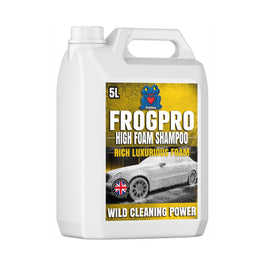
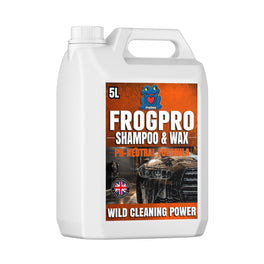
The best approach is straightforward. Wash the vehicle regularly with a coating-safe shampoo, remove heavier grime with sensible pre-wash steps and avoid letting contamination sit for weeks. Bird droppings, tree sap and hard water spotting are all more likely to mark paint if left in place, coating or not.
Drying technique matters too. Mineral-heavy water left to evaporate on the panel can leave deposits that interfere with hydrophobic performance. A clean drying towel or forced-air drying setup helps keep the surface working properly.
Periodic decontamination also extends service life. You do not need to attack the coating every month, but occasional removal of fallout, traffic film build-up and bonded contamination helps restore how the surface behaves. For trade users or serious home detailers, this is often the difference between a coating that seems tired after a year and one that still performs well much later.
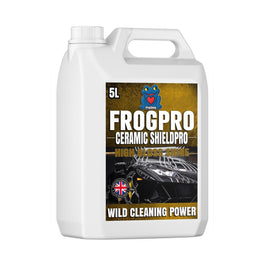
A ceramic maintenance product can also help. Used correctly, a topper or booster refreshes slickness and water behaviour without replacing the base coating. That is especially useful on hard-worked vehicles that are washed often.
How long does ceramic coating last compared with wax?
This is where ceramic coating usually makes the strongest case. A traditional wax may give a few weeks to a few months of protection, depending on weather, washing and product quality. Ceramic coating generally lasts far longer and stands up better to detergents, heat and environmental fallout.
That does not mean wax has no place. It is cheaper, simpler and easier to reapply. For some users, especially those who enjoy frequent detailing, wax can still make sense. But if the goal is longer-term protection with less frequent reapplication, ceramic is the more durable option.
For trade customers, that durability can mean reduced labour over time. A protected vehicle usually releases dirt more easily, which can improve wash efficiency. On fleets or repeat customer vehicles, that practical benefit matters as much as the shine.
Signs your ceramic coating is wearing out
The most obvious sign is weaker water beading and sheeting. If the vehicle used to throw water off quickly and now holds it flat across the panel, something has changed. Start by checking whether the surface is simply contaminated before assuming the coating is finished.
You may also notice the car no longer cleans up as easily. If road grime sticks harder, drying takes longer and the slick feel has largely gone, the coating may be nearing the end of its useful life. Loss of gloss can be another clue, although paint condition and wash quality also affect that.
The key point is this: reduced performance does not always mean no protection. Sometimes the coating needs maintenance. Sometimes it needs replacing. The condition of the paint, the age of the coating and the wash history usually tell the story.
Is ceramic coating worth it for the long term?
For many vehicles, yes - provided expectations are realistic. Ceramic coating will not make paint invincible, stop stone chips or remove the need to wash the car. What it can do is add a durable sacrificial layer that helps with gloss, washability and ongoing protection.
If you're running trade vehicles, preparing dealership stock or simply maintaining your own car to a higher standard, ceramic protection can save time and improve finish consistency. The better the prep and maintenance, the better the return. That is why experienced detailers focus less on headline lifespan claims and more on the whole system around the coating.
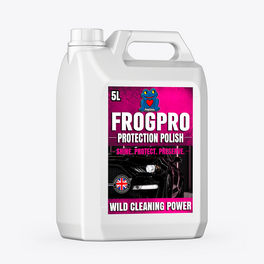
At FrogChem, that practical view matters. The right coating is only part of the job. Pre-wash, decontamination, safe shampoos, applicators and maintenance products all influence how long that protection really stays effective.
So, how long does ceramic coating last? Long enough to be a genuine upgrade over wax, but only if it's applied properly and looked after with the same care you expect from any professional-grade finish. Treat it as part of a maintenance routine, not a one-off fix, and it will usually reward you with cleaner paint, easier washing and a finish that keeps its edge well beyond the first few weeks.