A traffic film remover that is too strong can dull sensitive trim. A snow foam that is too weak will slide off before it has time to work. Learning how to dilute car wash chemicals properly is what turns a good product into a consistent, cost-effective wash process.
For valeters, hand car washes and home detailers alike, dilution is not a minor detail. It affects cleaning power, dwell time, product cost, equipment performance and the finish left on the vehicle. The right ratio gets soil moving without using more chemical than the job needs.
Start With the Product Label
The dilution guidance on the container or product data should always be your starting point. Chemicals are formulated differently, even where they appear to do the same job. One traffic film remover may be intended for regular car washing at a mild ratio, while another is designed for heavy commercial work on lorries, plant machinery or neglected vehicles.
A recommended ratio is not a guess. It reflects the chemistry of the product, its intended contact time and the surfaces it is designed to clean. Using a stronger mix does not automatically deliver a better result. It can mean wasted stock, difficult rinsing, streaking or unnecessary stress on delicate finishes.
If a label gives a range, use the lower-strength end for routine maintenance washes and increase only when the level of contamination justifies it. A weekly cleaned vehicle with light road grime needs a very different approach from a white van with months of embedded traffic film.
What Dilution Ratios Actually Mean
The most common source of mixing mistakes is the way ratios are written. A ratio of 1:10 normally means one part chemical to ten parts water. That creates 11 parts of ready-to-use solution in total.
For example, to make 11 litres of solution at 1:10, use one litre of chemical and ten litres of water. For a smaller one-litre spray bottle, divide the amounts accordingly: roughly 91 ml of chemical and 909 ml of water.
Always check how the manufacturer states its ratio, particularly with foam lances and dosing systems. Some brands may refer to the ratio in the bottle, while others describe the final mix after the equipment has drawn in water. These are not the same thing. If the instructions are unclear, test a small area at a sensible maintenance ratio before treating the full vehicle.
A measuring jug, marked mixing bottle or chemical-resistant dosing cap removes the uncertainty. For busy wash bays, a dedicated dilution station or proportioning system is even better. It keeps staff mixes consistent, makes stock control easier and reduces the chance of pouring concentrated product straight into a sprayer by mistake.
Dilute Car Wash Chemicals for the Job in Front of You
The best dilution depends on the chemical, the surface and the condition of the vehicle. There is no universal ratio that works across every product category.
Traffic Film Remover and Pre-Wash
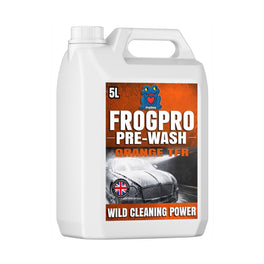
Traffic film remover is designed to break down the oily grey layer that builds up from wet roads, diesel residue, salt and general grime. It is commonly used through a pump sprayer, foaming system or pressure washer dosing setup before the main wash.
Use a lighter dilution for well-maintained cars, especially during warmer months. A stronger mix may be suitable for commercial vehicles, winter grime, wheel arches and lower panels, provided the product is approved for the surface. Do not leave it to dry, and take extra care around polished aluminium, uncoated metal, damaged paint and sensitive trim.
Snow Foam and Vehicle Shampoo
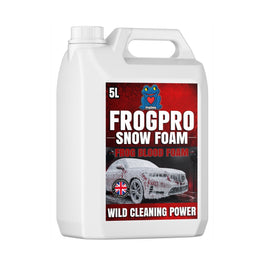
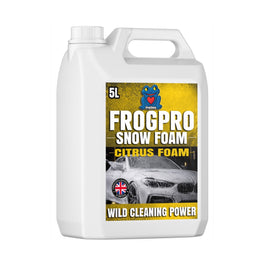
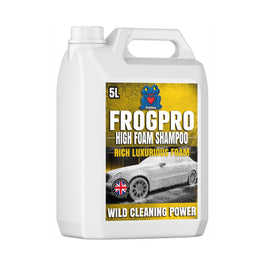
Snow foam is often used as a pre-wash layer to soften loose dirt and improve lubrication before contact washing. The aim is even coverage and enough dwell time to lift contamination, not the thickest possible foam. Over-concentrating can produce impressive-looking foam that delivers little extra cleaning value and may be harder to rinse.
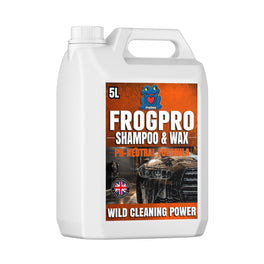
Shampoo dilution is equally important. Too much shampoo can leave excess residue, make rinsing slower and reduce the value from every wash. Use clean water in the wash bucket, mix to the stated rate and refresh the solution when it becomes heavily contaminated.
Wheel Cleaners, Tyre Cleaners and Interior Products
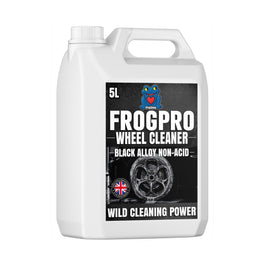
Many wheel cleaners and fall-out removers are ready to use because they need a controlled strength for safe, predictable performance. Do not dilute these unless the product specifically says that you can. The same rule applies to many interior cleaners, dressings and ceramic preparation products.
Where an all-purpose cleaner is supplied as a concentrate, use a milder mix for interior plastics, door shuts and lightly soiled trim. Reserve stronger mixes for tyre sidewalls, engine bays and stubborn exterior grime where the label permits it. Always work on cool surfaces and rinse exterior cleaners thoroughly.
Water Quality Can Change the Result
Hard water is a practical issue in many parts of the UK. Minerals in the water can reduce foam, affect how a product behaves and leave spotting if the vehicle dries too quickly. If you find that a familiar product suddenly seems less effective, the water supply, temperature or application method may be the cause rather than the chemical itself.
For a professional finish, wash out of direct sun where possible and avoid applying product to hot panels. Use clean buckets, clean sprayers and clean foam-lance bottles. Old chemical residue inside equipment can contaminate a fresh mix and alter its performance.
It also pays to use water at a sensible temperature. Extremely hot water can speed up evaporation and shorten dwell time, while freezing conditions create obvious safety and operational issues. Most day-to-day vehicle cleaning is best carried out with cool or mildly warm water, following the product guidance.
Use the Right Equipment, Not Just the Right Ratio
A correctly diluted chemical can still underperform if the equipment is set up badly. A blocked sprayer nozzle, worn trigger seal or poorly adjusted foam lance changes the amount of product reaching the panel. That can lead users to mix stronger when the real problem is the applicator.
Check that spray bottles produce an even fan, pressure washers are delivering consistent flow and dosing systems are drawing chemical properly. Foam lances should be cleaned regularly, particularly after using high-foam products. If the pickup tube is blocked or the adjustment dial is set incorrectly, the foam may be watery or excessively concentrated regardless of what was mixed in the bottle.
For repeat work, label every bottle with the product name, intended ratio and date mixed. This is especially useful in a valeting unit or hand car wash where several cleaners may be in use during the same shift. Never rely on bottle colour or smell to identify a chemical.
Avoid These Expensive Mixing Errors
The most common error is treating concentrated products as though they are ready to use. This increases chemical spend quickly and can create avoidable surface issues. The opposite problem is under-dilution, where the product lacks the cleaning strength needed and the operator resorts to aggressive scrubbing.
Avoid these four mistakes in particular:
- Mixing different chemicals together unless the manufacturer explicitly permits it.
- Using household measuring tools that are then returned to food use.
- Topping up an old bottle without emptying, rinsing and relabelling it first.
- Leaving diluted products in direct sunlight, near heat sources or where they can freeze.
Build a Consistent Wash Process
The most efficient operators do not change their chemical mix every time a vehicle arrives. They create sensible working ratios for routine jobs, then keep a stronger approved option for unusually heavy soil. That approach protects margins, trains staff more easily and gives customers a more reliable finish.
At FrogChem, the practical aim is simple: use enough product to do the work properly, but no more than the vehicle, equipment and conditions require. Measure your concentrates, follow the label and judge the result on clean, rinsed panels rather than on how strong the product smells or how thick the foam looks.
Once you start recording the ratios that work for your regular jobs, dilution stops being a guessing game and becomes one of the easiest ways to improve wash quality while keeping chemical costs under control.