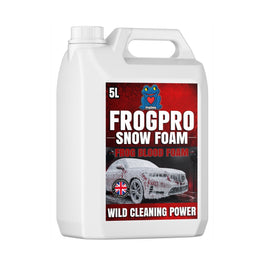
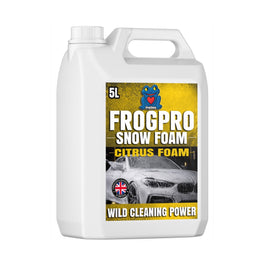
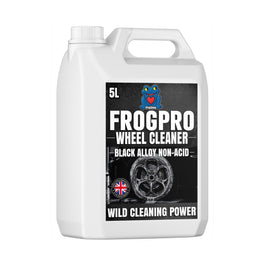
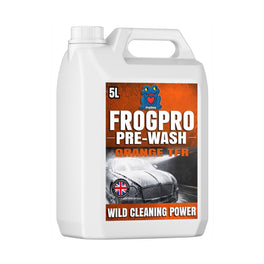
A freshly polished bonnet can look excellent under workshop lights, then disappoint after two wet motorway runs. That is where the carnauba wax vs sealant decision matters. Both products protect paintwork and improve water behaviour, but they deliver different results in terms of appearance, longevity and the time required to maintain them.
For a weekend detail on a cherished car, carnauba wax can provide the rich, warm finish many owners want. For a working vehicle, dealership forecourt stock or a busy valeting operation, a synthetic sealant often makes more commercial sense. The right choice depends on the paint condition, how the vehicle is used and how often it can realistically be washed and protected.
Carnauba Wax vs Sealant: the practical difference
Carnauba wax is a natural wax derived from the leaves of the carnauba palm. In vehicle-care products, it is blended with oils, solvents and other ingredients so it can be spread evenly and buffed from paintwork. Quality waxes are valued for their deep gloss, especially on darker colours, reds and solid paint finishes. They can make paint look fuller and more liquid, rather than simply shiny.
A paint sealant is a synthetic protection product. Its polymers bond to the surface and form a durable protective layer once cured. Sealants tend to produce a crisp, reflective finish and pronounced water beading or sheeting. They are designed to tolerate repeated washing, road film, rain and changing weather better than most traditional waxes.
Neither is a correction product. Wax and sealant can enhance gloss and disguise very light marring, but neither will remove swirl marks, oxidation, scratches or ingrained contamination. Proper washing, decontamination and, where needed, machine polishing come first. Applying protection over poorly prepared paint can lock in a dull finish rather than improve it.
Gloss: warm depth or sharp reflection?
The visual difference is real, although it can be subtle on modern clearcoat paint. Carnauba wax generally gives a warmer appearance with deeper colour and a softer glow. On a well-prepared black, navy or dark green vehicle, it can make the finish look particularly rich. This is why it remains popular for show cars, weekend vehicles and detailers chasing a high-end hand-finished look.
Sealant usually looks cleaner and sharper. Metallic flakes can appear more defined, while lighter colours such as silver, white and grey often benefit from the bright, glass-like reflection a sealant provides. This does not mean sealant looks inferior. It simply has a different character, and plenty of customers prefer it.
Paint type, lighting and preparation have a bigger effect than many people expect. A properly polished panel protected with a good sealant will usually look better than a neglected panel covered in an expensive wax. Start with clean, contaminant-free paint and choose the protection finish that suits the vehicle and customer expectation.
Durability in British weather
This is where sealant normally has the advantage. A quality sealant can protect paint for several months when it is correctly applied, allowed to cure and maintained with pH-neutral shampoo. The exact lifespan varies with storage, mileage, wash routine and exposure to salt, tree sap and industrial fallout. A daily-driven car parked outdoors will wear protection far faster than a garaged vehicle used on dry weekends.
Carnauba wax commonly lasts weeks rather than months. Some premium formulations can go longer in favourable conditions, but a wax layer is generally more vulnerable to strong traffic film removers, frequent washing and winter contamination. For a car wash or mobile valeting business, this can mean more frequent reapplication and more labour per vehicle.
That does not make wax a poor choice. It is easy to top up, satisfying to use and ideal when the vehicle receives regular attention. But if a customer wants durable protection through a British winter with minimal upkeep, sealant is usually the safer recommendation.
Application time and working conditions
Most waxes are straightforward to apply by hand. Work on cool, clean paint out of direct sunlight, use a thin even layer, allow the product to haze as directed and buff with a clean microfibre cloth. Applying too much wax does not improve protection. It wastes product and makes removal harder, particularly around badges, trim and panel gaps.
Sealants can also be simple, but they are less forgiving of rushed preparation. Paint should be fully dry and free from residues left by shampoos, quick detailers or oily dressings. Some sealants need a short curing period before they can get wet, while others are formulated for quicker turnaround. Always follow the product directions rather than assuming every sealant behaves the same way.
For trade work, application speed matters. A spray sealant can be an efficient final-stage protection product after a maintenance wash, while a more durable liquid sealant may suit a new-car preparation, sale-ready valet or seasonal protection package. For the best result, build the service around the available time rather than promising long-term durability from a product applied in a hurry.
Can you use carnauba wax over sealant?
Yes, in many cases. Applying carnauba wax over a fully cured sealant is often called layering. The sealant provides the durable base, while the wax adds its warmer visual finish. It can work well on vehicles prepared for an event, wedding, showroom display or enthusiast meet.
There are trade-offs. The wax layer may reduce the sealant's crisp water behaviour, and maintenance becomes more involved because the wax needs regular renewal. It is also worth checking compatibility on a small area, especially when using specialist products. Do not apply wax before a sealant and expect the sealant to bond properly. The oils in wax can interfere with adhesion.
For most daily drivers, choosing one main protection product is simpler. A sealant followed by suitable maintenance products is a practical, repeatable routine. Layering is best saved for customers who value the finish enough to maintain it.
Choosing the right protection for the job
Choose carnauba wax when appearance is the priority and the vehicle is washed regularly. It suits cherished cars, dark paintwork, weekend detailing and customers who enjoy hands-on maintenance. It is also a good option when you want to add visible richness before a show, sale viewing or special occasion.
Choose sealant when durability, speed and predictable maintenance are more important. It is well suited to daily cars, fleet vehicles, driving-school cars, dealership stock and lorries that cover regular mileage. A sealant is also a sensible first step for owners who want professional-looking protection but do not plan to reapply it every few weeks.
For a busy valeter, sealant often offers the better balance of product cost, labour time and customer satisfaction. For an enthusiast spending a Saturday refining every panel, wax can provide the extra visual reward that makes the work worthwhile. FrogChem customers who manage multiple vehicles may benefit from keeping both types available: sealant for durable routine protection and carnauba wax for premium finish work.
Maintenance decides how long either product lasts
Protection only performs as well as the wash routine allows. Use a suitable pre-wash to loosen traffic film, then wash with a pH-neutral shampoo and clean wash media. Harsh cleaners, dirty sponges and aggressive brush washes can shorten the life of both wax and sealant while introducing fresh swirl marks.
Drying safely also matters. A quality drying towel or air dryer reduces water spotting and friction. Between full washes, a compatible quick detailer or drying aid can refresh gloss and water behaviour without stripping the existing protection. When beading becomes weak and the paint no longer feels slick after washing, it is usually time to inspect the surface and reapply protection.
The best product is the one that matches the vehicle's real working life. Give a daily driver the durable protection it needs, reserve wax for the finish it does best, and put preparation first every time.