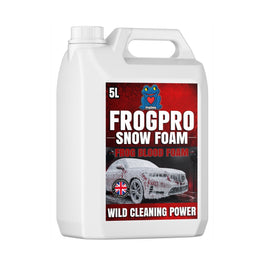
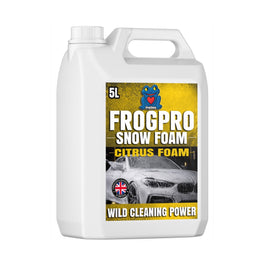
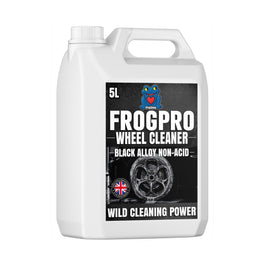
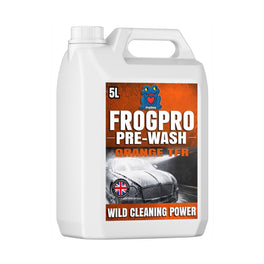
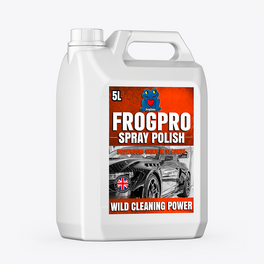
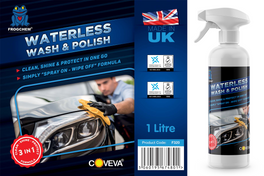
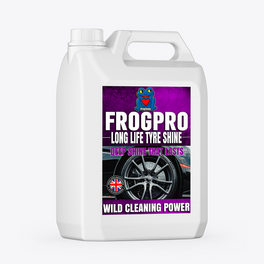
A 25-litre drum of traffic film remover can keep a busy wash bay moving for weeks. Stored badly, it can also create leaks, wasted product, damaged surfaces and a serious safety problem. This bulk chemical storage guide is built for valeters, hand car washes, dealerships and fleet operators that need chemicals close at hand without turning the work area into a risk.
Bulk buying makes commercial sense when you use products consistently. The saving disappears, however, if concentrate is over-dosed, containers are left unlabelled or stock is ruined by poor storage. A well-planned chemical area protects your team, keeps dilution accurate and makes replenishment much easier.
Start with the chemicals you actually use
Do not choose a storage set-up based on the largest container you might buy. Start with your real weekly usage. A small mobile valeting operation may only need secure shelving for a handful of five-litre containers, while a hand car wash using traffic film remover, snow foam, shampoo, wheel cleaner and tyre dressing every day may be better served by drums, a fixed dosing point and a dedicated bunded area.
Separate products into working groups before deciding where they will sit. In a typical automotive cleaning operation, these may include alkaline pre-washes and traffic film removers, acidic wheel or brick cleaners, neutral shampoos, solvent-based products, disinfectants and maintenance fluids. Their storage requirements are not interchangeable.
For every product, keep the current Safety Data Sheet available to the people using and storing it. The label tells you what is in the container and the headline hazards; the Safety Data Sheet gives the detail on handling, personal protective equipment, first aid, incompatible materials and spill response. Your COSHH assessment should reflect the exact products and concentrations used on site, rather than a generic list copied from another business.
Bulk chemical storage guide: choose the right location
The best chemical store is dry, secure, clearly marked and away from customer areas, food, drains and ignition sources. It should be somewhere staff can access without carrying heavy containers through a busy wash bay or workshop. That improves efficiency as well as safety.
Avoid placing drums directly on bare concrete where they can be knocked by trolleys, pressure-washer hoses or vehicles. Keep them off the ground on suitable pallets, racking or a purpose-built bund. A secondary containment tray or bund is there to hold a leak before it spreads across the floor or reaches drainage. Check that its capacity is suitable for the containers it holds and for the requirements that apply to your premises.
Ventilation matters, particularly with solvent-based cleaners and products with stronger vapours. Equally, do not assume an outdoor corner is automatically suitable. Direct sun can heat containers, weather can damage labels and frost may affect some products. Follow the product-specific temperature guidance rather than relying on a one-size-fits-all rule.
Access must be controlled. Chemicals should not be left where customers, children or untrained staff can help themselves. A locked cabinet or controlled store is usually a sensible choice, provided authorised users can still reach spill materials and emergency information quickly.
Keep incompatible products apart
The biggest mistake in a crowded store is treating every bottle and drum as if it were simply ‘car cleaning chemical’. It is not. Acids, alkalis, oxidising products, solvents and other reactive materials may need separation. The exact arrangement depends on the products involved, so use the Safety Data Sheet rather than guessing from bottle colour or brand category.
At a practical level, keep acid wheel cleaners away from alkaline traffic film removers and avoid storing chemicals beneath products that could leak onto them. Never mix leftovers to save space. A partly used container is still a chemical container and should remain identifiable, sealed and stored in the right place.
Set up containers, labels and dispensing properly
The original container is normally the safest place for a product. It has the correct material specification, hazard information and closure. If you need to decant chemical into a smaller bottle, jerrycan or dosing tank, use a compatible container designed for that product and label it immediately.
A useful label identifies the product name, dilution or concentration where relevant, key hazards, the date decanted and the person or team responsible. ‘Blue wheel cleaner’ or ‘TFR mix’ is not enough when several people work different shifts. Clear labelling prevents the wrong product being put into a sprayer, foam lance or automatic dosing system.
For high-use concentrates, a closed dispensing system is worth considering. Pumps, taps and drum trolleys reduce lifting and limit splashes compared with tipping a drum by hand. They also make it easier to measure product accurately. This is particularly valuable with traffic film remover and snow foam, where using more concentrate than required does not necessarily improve cleaning and can increase chemical spend.
Check fittings regularly. A cracked tap washer or damaged hose can waste litres before anyone notices. Keep caps closed when containers are not in use, and never use a drinking bottle, food container or unmarked trigger bottle for chemicals.
Build daily handling into the way your team works
Good storage only works when the process around it is just as clear. Staff should know which products are concentrates, which are ready to use, what PPE is required and where to find the Safety Data Sheet. Gloves, eye protection and suitable clothing need to be available at the point of use, not locked in a cupboard at the other end of the site.
Use manufacturer dilution guidance as the starting point, then review results in your own operation. Vehicle condition, water hardness, dwell time and application method all affect performance. A strong mix might be needed for heavily soiled commercial vehicles, but it may be excessive for routine maintenance washes. Controlled dosing protects paintwork, helps avoid residue and keeps margins under control.
Plan for a small spill before it happens. Your team should know how to isolate the area, use the appropriate spill materials, prevent product entering drains and report the incident. Do not wash an unknown chemical spill away with a hose. The right response depends on the product involved, which is why product information and training are essential.
A simple start-of-day check can prevent most avoidable issues. Look for leaking caps, damaged labels, full bunds, empty spill-kit supplies and containers stored in the wrong place. It takes minutes and is far easier than dealing with a contaminated wash bay during the busiest part of the day.
Control stock without filling the site with drums
Buying in bulk is not the same as buying as much as possible. Excess stock ties up cash, takes up valuable space and increases the chance of products sitting beyond their recommended shelf life. The right quantity depends on usage rate, delivery lead time, storage capacity and whether your operation has seasonal peaks.
For example, winter often increases demand for pre-wash and traffic film remover, while spring detailing work may lift consumption of shampoos, fallout removers, dressings and protection products. Review your figures by product rather than ordering from memory. A basic stock sheet recording delivery date, opening date, quantity remaining and average weekly use will reveal where product is being over-used or disappearing too quickly.
Rotate stock so older containers are used first, provided they remain within the manufacturer’s stated shelf life and are in good condition. Keep a little contingency stock for your core wash chemicals, but do not let a back room become a collection point for damaged, obsolete or unknown containers. Arrange disposal through an appropriate route and never pour unwanted chemicals into drains.
Match the system to the size of your operation
A one-van valeter does not need the same infrastructure as a multi-bay car wash. For smaller businesses, a lockable, bunded chemical cabinet with clearly separated products may be enough. For higher-volume sites, dedicated drum storage, fixed transfer pumps, labelled dosing lines and a defined mixing station can save considerable time and reduce errors.
FrogChem customers often buy both cleaning chemicals and equipment, so it is worth checking compatibility before investing in pumps, sprayers or dosing hardware. A product that performs well through one trigger sprayer may need different seals, fittings or dilution control in a larger system. Confirm the chemical resistance of every wetted component, especially when using stronger concentrates.
The goal is not an impressive-looking store room. It is a clean, controlled system where the right product is easy to find, easy to dispense and difficult to misuse. Get that right and bulk chemicals become what they should be: dependable stock that keeps vehicles moving and finishes looking their best.