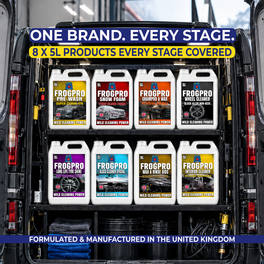
A clean vehicle is not just about making the paintwork shine. The right chemical choice affects how quickly grime releases, whether delicate finishes stay protected and how much labour each wash takes. This car wash chemicals guide breaks down the core products used by hand car washes, valeters and detail-conscious drivers, with practical advice on where each one earns its place.
The best results rarely come from using the strongest product everywhere. Professional washing is about matching the chemical to the contamination, the surface and the method. A traffic film remover may save time on a heavily used van, for example, but it is not a substitute for a pH-neutral shampoo on regularly maintained paintwork.
Car wash chemicals guide: build the wash in the right order
A reliable wash process works from the dirtiest stages through to protection and finishing. Starting with a pre-wash removes loose grit before contact, reducing the chance of dragging abrasive dirt across the paint. Wheels and lower panels usually need separate attention because they collect brake dust, road salt, tar and oily grime that ordinary shampoo will not always shift.
For a busy valeting bay or hand car wash, this order also keeps chemical use under control. You avoid repeatedly washing the same panel and can tailor stronger products to problem areas rather than treating the entire vehicle unnecessarily.
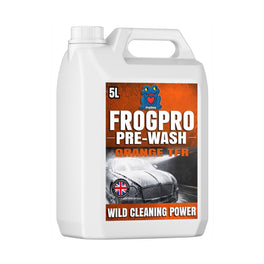
Pre-wash and traffic film remover
Traffic film remover, often called TFR, is designed to loosen the grey-brown road film that builds up on doors, bumpers, sills, rear panels and commercial vehicles. It is a workhorse product for high-mileage cars, taxis, vans and lorries, particularly through winter.
TFR strength matters. A stronger dilution can be useful for neglected lower panels or fleet work, but overusing it can strip or weaken existing wax protection and may be too aggressive for sensitive trim, polished metal or freshly dressed surfaces. Begin with the supplier's recommended dilution, apply to a cool vehicle and do not allow it to dry. Rinse thoroughly before moving on.
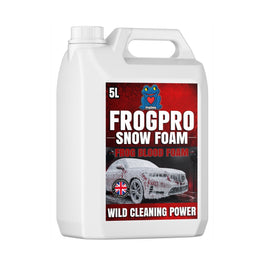
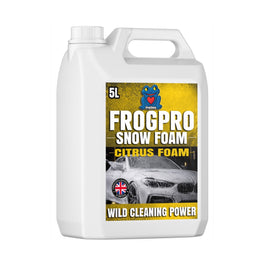
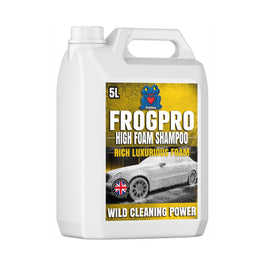
Snow foam serves a different purpose. A good snow foam clings to the panel and softens loose contamination before the contact wash. It is especially useful when paintwork is reasonably well maintained and the aim is to reduce swirls, not simply speed through heavy soil. For heavily soiled vehicles, a traffic film remover followed by snow foam may be justified, but using both on every wash can add cost without a visible benefit.
Wheel cleaners and tyre cleaners
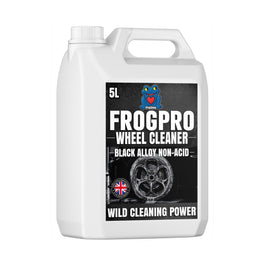
Wheels deserve their own chemistry and their own brushes. Brake dust contains metallic particles, while wheel faces also pick up road film, grease and old tyre dressing. A wheel cleaner should be chosen according to the wheel finish and level of contamination. Acid-based cleaners can work quickly on suitable tough finishes, but they require careful handling and are not the casual choice for damaged lacquer, polished alloy, bare metal or unknown wheel types.
For routine work, a non-acidic or pH-balanced wheel cleaner is often the safer, more versatile option. Apply one wheel at a time, work it into spokes, wheel nuts and the inner barrel with dedicated brushes, then rinse fully. Never use a wheel brush on paintwork afterwards.
Tyre cleaner or a strong all-purpose cleaner helps remove old dressing, brown residue and road grime from the rubber. This gives tyre dressing a clean surface to bond to, rather than leaving it patchy or short-lived. Keep tyre cleaner off freshly protected paint where possible and rinse any overspray promptly.
Shampoo: the contact-wash essential
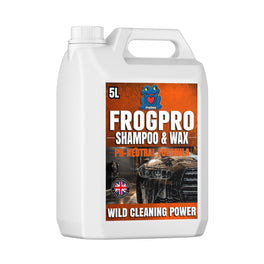
Car shampoo provides lubrication during the contact wash, allowing a wash mitt to lift away remaining dirt with less friction. A quality pH-neutral shampoo is the sensible default for maintained vehicles because it cleans effectively without needlessly attacking waxes, sealants or ceramic coatings.
Use the correct dose. Adding extra shampoo does not automatically improve cleaning power; it can make rinsing slower, leave residue and waste product. For professional operators, accurate dilution is one of the simplest ways to protect margins. For home users, it means a bottle lasts longer while still delivering a slick, clean wash.
The two-bucket method remains a sound approach for hand washing: one bucket holds shampoo solution and the other is for rinsing the mitt. A grit guard can help keep heavier debris at the bottom. Work from the roof down, leaving the lower panels until last, and rinse the mitt frequently. On high-volume sites, a clean mitt rotation and proper wash-pad care are just as valuable as the shampoo itself.
All-purpose cleaners and degreasers
An all-purpose cleaner, or APC, is one of the most useful products in a professional kit. Depending on dilution, it can tackle door shuts, engine bays, rubber mats, pedal areas, plastic trim and fabric marks. It is flexible, but that does not mean it is suitable for every task at full strength.
Use a weaker dilution for light interior dirt and a stronger mix for greasy door hinges or exterior trim. Test on an inconspicuous area when working with older plastics, dyed leather, delicate fabrics or unfamiliar surfaces. On interiors, apply to a brush or microfibre cloth rather than soaking switches, screens, headlinings or electrical areas.
A dedicated degreaser is more appropriate for oily engine components, workshop floors and stubborn grease deposits. It should not be your routine paintwork cleaner. Strong alkaline products can dull trim, stain sensitive finishes or remove protection if left to dwell too long.
Interior, glass and finishing chemicals
The cabin is where customers notice the difference between a quick wash and a proper valet. Interior cleaner should remove everyday marks and oils without leaving shiny, slippery residue on dashboards, steering wheels or pedals. For fabric seats and carpets, use a suitable fabric cleaner, agitate gently and avoid over-wetting. Too much liquid can leave lingering dampness and encourage unpleasant odours.
Leather needs a more cautious approach. Clean with a product intended for automotive leather, then use a compatible conditioner or protectant where appropriate. Modern coated leather generally benefits from gentle cleaning rather than heavy oils or overly glossy dressings.
Glass cleaner should leave a clear, smear-free finish inside and out. Use separate clean glass cloths, as cloths previously used with dressings or wax can cause streaking. Pay close attention to the inside of the windscreen, where film from vents, smoking or interior products can affect visibility in low sun and at night.
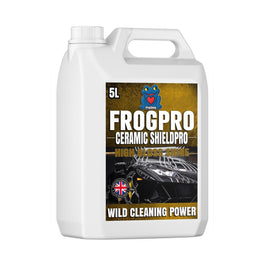
After washing, drying aid, quick detailer, wax or sealant can improve gloss and make future washes easier. Wax gives a warm appearance and added water beading, while synthetic sealants commonly offer longer-lasting protection. Ceramic maintenance products can support a coated vehicle, but they are not a replacement for proper decontamination and preparation when fitting a genuine ceramic coating.
Tyre dressing is the final touch for many valets. Choose a water-based dressing for a natural satin look, or a glossier finish where the customer prefers it. Apply sparingly to a clean, dry tyre and wipe excess from the tread and sidewall to reduce sling onto freshly cleaned paint.
Dilution, dwell time and safe use
Most chemical mistakes are not caused by choosing the wrong bottle. They happen when a good product is mixed too strong, left too long or used on a hot panel. Follow the label dilution rates, use clearly marked sprayers and measure concentrates rather than guessing. A dilution control system is particularly worthwhile when several staff members are preparing products every day.
Dwell time means giving a chemical long enough to work before rinsing or agitation. It never means allowing it to dry. Work out of direct sunlight where possible, keep panels cool and rinse generously. Wear suitable gloves and eye protection when handling concentrates, especially TFRs, wheel acids and degreasers, and keep products in their original labelled containers or properly labelled secondary bottles.
Water quality also changes the result. Hard water can leave spotting, particularly on dark paintwork and glass. Dry promptly with clean microfibre drying towels, use filtered water where available, or work panel by panel on hot days. These small process changes often make more difference than moving to a stronger chemical.
Choose chemicals for the job, not the label claims
A full range of products is useful, but a working kit does not need to be complicated. For most regular washing, pre-wash, wheel cleaner, shampoo, APC, glass cleaner and a protection product cover the main tasks. Add specialist fallout remover, tar remover, fabric cleaner, leather care or ceramic maintenance products when the vehicle condition calls for them.
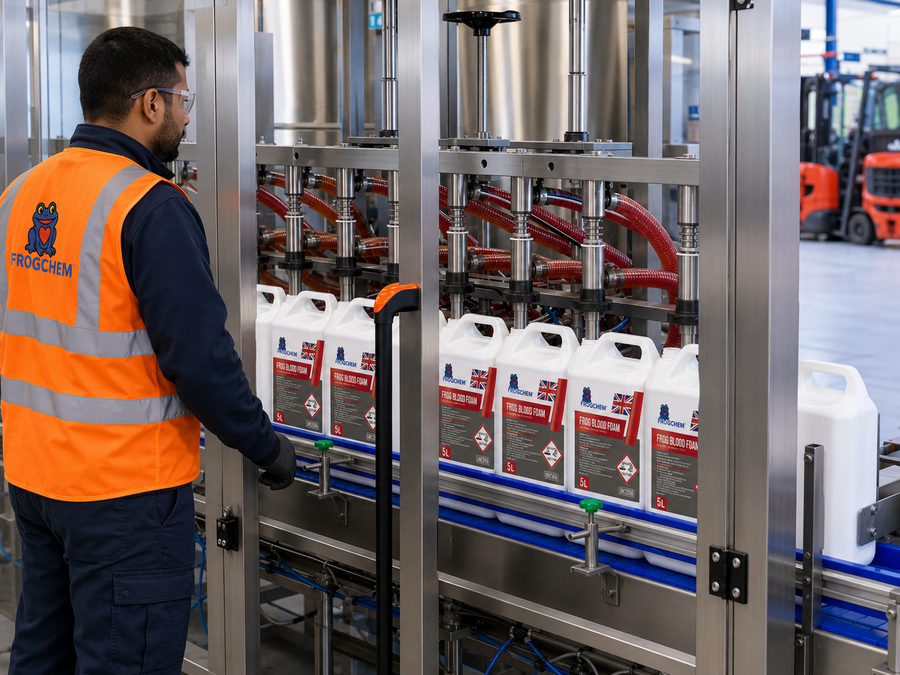
FrogChem customers often need products that perform consistently across several vehicles in a day, not just on one carefully prepared weekend wash. That is why dilution control, equipment compatibility and repeatable results should guide the purchase as much as fragrance or foam thickness.
Start with clean tools, use the mildest effective chemical and give each product the conditions it needs to work. That approach protects the vehicle, controls product spend and leaves the kind of finish people notice before they even open the door.