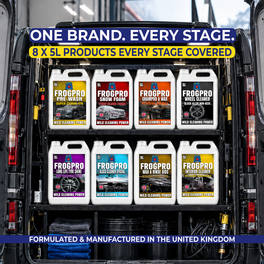
A lot of wash mistakes start before the mitt even touches the paint. The real question in snow foam vs shampoo is not which one is better overall, but what job you need it to do. They are not direct substitutes in most cases, and treating them as if they are often leads to poor cleaning, more swirls, or wasted product.
If you run a valeting bay, maintain a dealership forecourt, or just want a cleaner wash routine at home, understanding the difference matters. Snow foam is mainly a pre-wash product. Shampoo is your contact wash product. They work best together, but there are situations where one matters more than the other.
Snow foam vs shampoo: the core difference
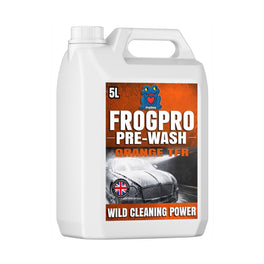
Snow foam is designed to loosen surface dirt before contact. Applied through a foam lance or foam sprayer, it clings to the vehicle and starts softening traffic film, dust, road grime and general contamination. The aim is simple - remove as much dirt as possible before you put a wash mitt on the paint.
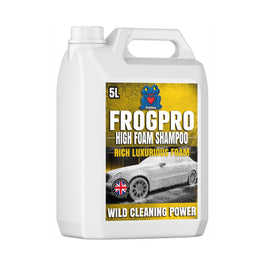
Car shampoo is designed for the main wash stage. You dilute it in a bucket, usually with warm water, then wash the vehicle by hand with a mitt or sponge. Its main job is to provide lubrication, lift remaining dirt safely, and help you clean the paint, glass and trim without dragging grime across the surface.
So if you want the short version, snow foam reduces risk before contact, while shampoo handles the actual contact wash. That is why professional results usually come from using both in the right order.
What snow foam actually does well
Good snow foam gives you a safer starting point. On vehicles that see motorway miles, winter salt, farm lanes or daily urban use, the bodywork can hold more grit than it looks. Foaming the vehicle first helps break that layer down and rinse some of it away before the wash mitt touches the surface.
This is especially useful on darker paintwork, soft clear coats, and vehicles that already show fine wash marks. The less abrasive dirt left on the panel when you start washing by hand, the better your chances of keeping the finish tidy.
Snow foam also suits busy trade environments because it is quick to apply across multiple vehicles. If you are washing vans, taxis, driving school cars or fleet vehicles, a proper pre-wash stage can improve consistency and reduce the chance of inflicting avoidable marring during routine cleaning.
That said, snow foam is not magic. A thick blanket of foam might look impressive, but dwell time and chemical performance matter more than shaving-foam visuals. Some foams are built for gentle maintenance washes, while others have stronger cleaning ability. If a vehicle is heavily soiled, snow foam alone will not replace a hand wash.
When snow foam makes the biggest difference
It earns its place when the vehicle is visibly dirty, when paint protection needs preserving, or when you are washing regularly and want to minimise wear over time. It is also useful before applying shampoo on wheels, sills, bumpers and rear panels, where grime tends to build up most.
If you only wash occasionally and the vehicle is caked in grime, snow foam still helps, but it should be seen as stage one, not the full job.
What shampoo actually does well
Shampoo is where the real cleaning control comes in. Once the loose dirt has been reduced, shampoo gives you the lubrication needed to move a mitt over the paint more safely. It lifts stubborn residue, helps carry dirt away from the surface, and leaves the panels clean enough for drying.
A decent shampoo should clean effectively without being harsh. Some are designed for regular maintenance and are kinder to waxes or sealants. Others lean more towards stronger cleaning for neglected vehicles or trade use where speed matters more than preserving a show-car finish.
Shampoo is also more versatile in the traditional wash process. You can work section by section, spot areas that need extra attention, and judge contamination as you go. That level of control is one reason shampoo remains essential whether you are cleaning a private car, a leased van, or a forecourt vehicle that needs to present well quickly.
Can shampoo be used without snow foam?
Yes, absolutely. Plenty of vehicles are washed perfectly well with shampoo alone, especially if they are lightly soiled and cleaned regularly. For many home users, a careful two-bucket wash with a quality shampoo is already a big step up from poor washing habits.
But there is a trade-off. If you skip pre-wash on a dirty vehicle, you are asking the mitt to deal with contamination that could have been loosened or removed first. That increases the chance of putting fine marks into the finish.
When to use snow foam, shampoo, or both
For the safest and most thorough wash, use both. Start with snow foam, rinse it away, then move to shampoo for the contact wash. That is the standard process for anyone trying to protect paint while still getting strong cleaning results.
If the vehicle only has a light layer of dust and has been washed recently, shampoo on its own may be enough. This is common with enthusiast cars, garage-kept vehicles, or maintenance washes in dry weather.
If you need a quick improvement before a full wash, snow foam can be useful on its own as a short pre-clean. It will not replace shampoo for a proper finish, but it can reduce grime when time is tight.
For commercial users, the decision often comes down to condition, volume and workflow. High-throughput operations may use a pre-wash stage to cut risk and speed up the main wash. Lower-soil vehicles might go straight to shampoo if efficiency matters more than a detailing-level approach.
Which is better for paint protection?
In the snow foam vs shampoo debate, snow foam usually wins on wash safety and shampoo wins on final cleanliness. If your concern is preserving wax, sealant or ceramic protection, a gentle snow foam helps because it removes some dirt without physical contact. Less rubbing usually means less wear.
Shampoo still matters because even protected vehicles need a proper hand wash. The key is choosing the right shampoo strength. An aggressive shampoo may strip or weaken protection faster, while a pH-neutral maintenance shampoo is generally the safer option for regular use.
So the answer depends on your goal. For preserving the finish, snow foam gives you an advantage. For actually completing the wash, shampoo is still non-negotiable.
Equipment makes a difference
One reason some people are disappointed by snow foam is that their setup is not right. Foam performance depends on product concentration, water flow, lance quality and pressure washer output. A weak machine or poor foam lance can leave you with thin foam and limited dwell time.
Shampoo is less equipment-dependent, which makes it easier for home users. A bucket, grit guard and decent wash mitt are enough to get going. That lower barrier is why shampoo remains the foundation product for most wash kits.
If you are investing in a more professional setup, though, snow foam becomes far more useful. With the right lance and pressure washer, application is faster, more even and more effective. That matters for trade users who wash multiple vehicles and need repeatable results.
Common mistakes people make
The biggest mistake is using snow foam and expecting it to do the whole wash. Unless the vehicle is barely dirty, you will still need shampoo and contact washing.
The second mistake is using shampoo first on a gritty vehicle and skipping pre-wash entirely. That saves a few minutes but can cost you in paint condition.
The third is choosing products on appearance alone. Thick foam and strong fragrance do not tell you much about cleaning ability, lubrication or finish. In practice, performance and compatibility with your equipment matter more.
It is also worth watching dilution ratios. Overusing product does not always improve results. It can increase cost, leave residue, or make rinsing harder, especially in colder weather.
So which one should you buy first?
If you are building a wash routine from scratch, start with a good shampoo. It is the essential product because every proper hand wash depends on it. Once that is in place, add snow foam if you want a safer wash process, cleaner pre-wash performance and better long-term paint care.
For trade buyers and serious home users, the best answer is usually not snow foam or shampoo. It is snow foam and shampoo, each doing the job it was made for. That is the practical way to get cleaner vehicles without creating extra work or unnecessary damage.
A better wash routine does not have to be complicated. Use the right product at the right stage, match it to the condition of the vehicle, and you will get results that look sharper and last longer.