A hose may be enough to rinse mud from a family car, but it soon shows its limits on winter road film, algae-stained paving or a busy valeting bay. In the pressure washer vs hose debate, the better choice comes down to the job, the surface and how often you need dependable results.
For trade users, a pressure washer is usually a working tool rather than a luxury. It removes contamination faster, reduces manual effort and helps maintain a consistent standard across cars, vans, lorries and site equipment. At home, it can make regular vehicle washing far easier, provided it is used with the right technique.
Pressure washer vs hose: the key difference
A garden hose moves water at relatively low pressure. It is useful for wetting a vehicle, rinsing shampoo away and flushing loose dirt from wheel arches. Its strength is gentleness. There is little risk of damaging paintwork, forcing water past seals or lifting loose trim.
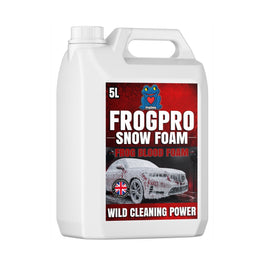
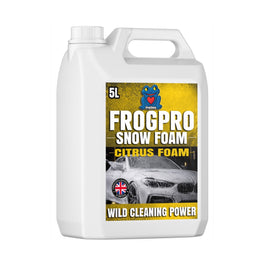
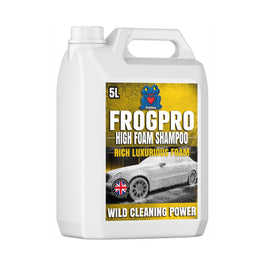
A pressure washer concentrates the water flow into a far more powerful jet. That force breaks up mud, traffic film, moss and built-up grime that a hose alone often leaves behind. The result is faster rinsing and better cleaning on hard surfaces, especially when paired with a suitable traffic film remover, snow foam or vehicle shampoo.
The trade-off is that pressure needs controlling. A poorly aimed jet, a nozzle held too close or an unsuitable setting can mark delicate surfaces. Pressure washers save time when used correctly, but they are not a substitute for proper wash preparation and safe chemical use.
Cleaning performance on vehicles
For everyday maintenance, a hose can handle a lightly dusty car that has been washed regularly. It is also useful when you simply need to rinse bird droppings, pollen or salt residue before it sits on the paintwork.
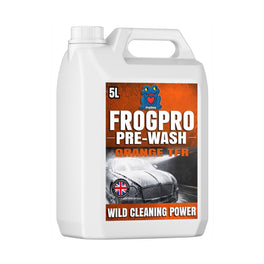
Where a pressure washer earns its keep is the pre-wash. A thorough rinse removes loose grit from panels, tyres, arches and lower doors before you make contact with a wash mitt. This matters because rubbing gritty contamination over paint is how fine swirl marks build up. A pressure washer also clears the awkward areas a hose struggles to reach, including behind wheels, under sills and around number plates.
For valeters and hand car washes, speed is just as important as the finish. A good machine helps move vehicles through the wash process efficiently without cutting corners. It is particularly effective on fleet vehicles, work vans and lorries that collect heavier road grime over long distances.
That said, high pressure alone will not remove bonded contamination, tar spots or brake dust baked onto wheels. These need the right product and dwell time. Trying to compensate with a more aggressive jet can create unnecessary risk without improving the finish.
Using pressure safely around paintwork
Keep the nozzle moving and maintain a sensible distance from the surface. Start farther away, then move closer only if needed. A wide fan nozzle is generally safer for paintwork than a narrow, concentrated setting.
Avoid directing a pressure jet into badges, damaged lacquer, stone chips, window seals, door shuts, electrical connectors and soft convertible roofs. Be especially careful with older vehicles, freshly repaired paint and vinyl graphics. Wheel arches, tyres and heavily soiled lower panels can tolerate more force, but the same rule applies: let the chemical do the cleaning, and use the machine to rinse it away.
Does a pressure washer use less water than a hose?
Often, yes. A pressure washer delivers less water per minute than a fully open hose while cleaning more effectively because the water is pressurised. A typical domestic hose can use a surprisingly high volume if left running while you move around the vehicle. A pressure washer can rinse a car quickly and precisely, reducing waste in the process.
However, the real answer depends on how it is used. Running a pressure washer continuously while deciding what to do next will still waste water. So will repeatedly washing the same panel because the pre-wash chemical was not given enough time to work.
A disciplined wash routine is more water-efficient than either tool used carelessly. Apply snow foam or pre-wash to a dry or lightly rinsed vehicle as directed, allow it to dwell without drying, rinse thoroughly, then wash with a bucket and mitt before a final rinse. This approach uses the pressure washer where it delivers the most value rather than treating it as the only cleaning step.
For businesses, water use also has a cost and compliance angle. Site drainage, wash-water control and local operating requirements should be considered before setting up a regular wash area. A professional wash operation needs more than a powerful machine - it needs a process that is safe, repeatable and appropriate for the premises.
Cost, maintenance and convenience
A hose is cheap, simple and ready whenever there is an outdoor tap. There is no motor to maintain, no pump to protect from frost and no power supply to consider. For occasional light-duty rinsing, that simplicity is hard to beat.
A pressure washer costs more upfront and needs a little care. Hoses and fittings should be checked for leaks, filters kept clean, and the machine protected from freezing temperatures. Electric units are often a practical choice for home users and smaller valeting work, while petrol machines may suit larger sites or mobile operators that need more freedom and sustained output.
Do not choose based on maximum pressure alone. Water flow, usually measured in litres per hour, makes a major difference to rinsing speed. A machine with sensible pressure and strong water flow is generally more useful for regular vehicle washing than one with an impressive headline figure but limited flow.
Accessories also affect day-to-day usability. A foam lance makes pre-wash application quicker, a patio attachment gives more controlled results on hardstanding, and a longer hose reduces the need to drag the machine around the vehicle. For a commercial setup, reliable hoses, trigger guns and replacement fittings are worth considering from the start because they see regular wear.
When a hose is the better choice
A hose remains the sensible option for delicate rinsing, small jobs and situations where high pressure could cause problems. Freshly applied sealants, vulnerable classic-car trim, loose bodywork and very soft surfaces may all need a gentler approach.
It is also more practical where there is no suitable electrical supply, restricted access or a need to keep noise down. If you live in a flat with shared parking, for example, neither a hose nor a pressure washer may be appropriate without permission and access to a proper wash point.
For a vehicle that is already well maintained, a hose can be perfectly adequate as part of a careful hand wash. The key is not to confuse a rinse with a deep clean. If road film remains after rinsing, it will still dull the finish and contaminate your wash mitt.
When a pressure washer is worth buying
A pressure washer makes sense if you wash more than one vehicle, regularly clean a van or work vehicle, maintain paving and outdoor areas, or want to improve the quality of your pre-wash routine. It is one of the most versatile pieces of equipment a detail-conscious driver can own.
For a valeting business, dealership or fleet operator, it is usually essential. The time saved across multiple vehicles quickly outweighs the initial cost, particularly when staff can remove heavy contamination efficiently before contact washing. Pair it with professional-grade pre-wash products and a safe process, and the machine helps deliver the clean, consistent presentation customers expect.
FrogChem customers often need one setup that can handle paintwork, wheels, arches, forecourts and commercial vehicles. In that situation, choose equipment for the workload rather than buying the cheapest unit available. Reliable flow, suitable accessories and readily available consumables matter far more over a busy season.
The best choice is not about making every job high pressure. Use a hose when a gentle rinse is all the surface needs. Bring out the pressure washer when dirt, time and workload demand more. A controlled pre-wash, the right chemicals and careful technique will always protect the finish better than simply turning the pressure up.