Your car does not get chipped because you took it to a track day. It gets chipped because a van in front flicked up grit on the A-road, because winter roads were filthy, and because the school run never waits for ideal conditions. That is why paint protection for daily drivers needs a different conversation from show car detailing. The aim is not a perfect garage queen finish. It is keeping the paintwork cleaner, glossier and easier to live with when the car is used properly.
A daily driver faces a hard mix of abuse. Road salt, traffic film, bird droppings, tree sap, fuel station brushes, poor wash habits and constant mileage all wear the finish down over time. If you want protection that actually earns its keep, you need to match the product to the way the vehicle is used, how often it is washed and what level of upkeep is realistic.
What paint protection for daily drivers really needs to do
For most drivers, protection has three jobs. It should reduce how strongly grime sticks to the paint, add some resistance to environmental fallout, and make regular washing quicker. That last point matters more than many people think. If a car is easier to clean, it is more likely to be cleaned properly and more often. That alone helps preserve the finish.
It also helps to be clear about what paint protection does not do. No wax, sealant or ceramic product makes paint chip-proof. Even paint protection film has limits, especially on edges and high-impact areas. If somebody expects a coating to stop stone chips on a motorway commute, they are buying the wrong solution.
The best setup is usually the one that fits your routine, not the one with the biggest claims on the label.
The main options, without the sales fluff
There are four common routes for protecting daily-driven paintwork: wax, synthetic sealant, ceramic coating and paint protection film. Each has a place, but they are not equally practical for every car.
Wax
Wax is the traditional option and still has value. A good wax improves gloss, adds water behaviour and gives a decent sacrificial layer against day-to-day contamination. It is also forgiving to apply.
The downside is durability. On a car that lives outside and covers regular miles, wax can tail off quickly, especially through winter. If you enjoy topping up protection every few weeks, that is fine. If you want fit-and-forget, wax on its own is rarely enough.
Synthetic sealant
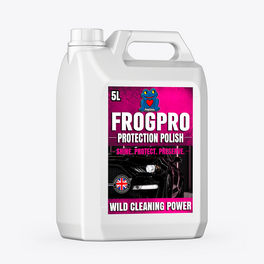
For many daily drivers, a paint sealant is the sensible middle ground. It tends to last longer than wax, handles regular washing better and gives a clean, sharp finish. It is usually less fussy than a full ceramic system and better suited to people who want strong protection without turning car care into a weekend project.
Sealants also work well for fleet users, valeters and trade setups because they are efficient. You can protect a vehicle properly without stretching labour time too far.
Ceramic coating
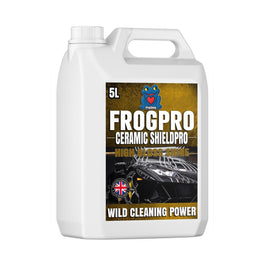
Ceramic coatings make sense when the owner wants longer-term protection and is prepared to do the prep work properly. Applied to corrected, fully decontaminated paint, a ceramic coating can offer strong chemical resistance, impressive water behaviour and easier maintenance over a much longer period than wax or many sealants.
But this is where realism matters. A ceramic coating is not a magic shield. If the car is washed badly, dragged through supermarket brush washes or left covered in bird lime, the coating will not save the finish. It lowers maintenance effort, but it does not replace maintenance.
For a lot of daily drivers, ceramic is worth it if the vehicle is relatively new, the owner plans to keep it for years, or image matters for business use. Think driving schools, chauffeur vehicles, sales reps, dealerships and trade vans that need to present well every day.
Paint protection film
If stone chips are the real problem, paint protection film is the only option designed specifically for impact protection. It is especially useful on front bumpers, bonnets, mirrors and sill areas that take repeated abuse.
The trade-off is cost. Full-car film is expensive and often hard to justify on an average commuter car. Partial film on the highest-risk areas can make more sense, particularly for motorway mileage, higher-value vehicles or freshly repainted panels.
What is the best choice for most drivers?
For most people, the sweet spot is a quality sealant or entry-level ceramic approach, backed up by proper wash products and a simple maintenance routine. That gives a strong balance of cost, durability and ease of use.
If the car is older and the aim is simply to keep it tidy, a sealant topped up every couple of months is usually enough. If the car is new, financed, leased or part of a business image, ceramic starts to look better because it keeps the paint easier to manage over a longer stretch.
If the vehicle spends its life on motorways, near building sites or on rough rural roads, combine paint protection with realistic expectations. You may want ceramic for chemical resistance and easier washing, then accept that vulnerable front-end areas may still need film if chips are becoming expensive.
Prep is where the result is won or lost
No protection product performs properly on dirty, oxidised or poorly prepared paint. This is where daily-driver owners often waste money. They buy a premium coating, apply it over traffic film and light contamination, then blame the product when performance drops off.
Before any wax, sealant or coating goes on, the paint needs a proper wash, chemical decontamination where required, and ideally a machine polish or at least a refining stage if the finish is swirled or dull. Even light correction can make a major difference because protection locks in the condition underneath. If the paint looks tired before application, it will still look tired after application, just with water beading on top.
For trade users, this matters even more. A dealer prep or valeting team can get better customer-facing results from a solid prep and a dependable protection product than from chasing expensive headline products without the groundwork.
Maintenance decides whether protection lasts
Paint protection for daily drivers is only half the story. The wash routine either supports it or strips it away.
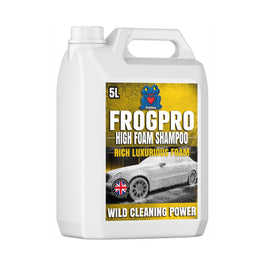
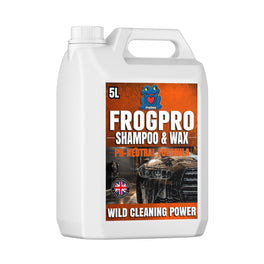
Strong traffic film remover used too aggressively, dirty wash media, harsh automatic brushes and neglected contamination all shorten the life of any protective layer. On the other hand, pH-appropriate shampoos, clean mitts, regular rinsing and quick removal of bird droppings help even a modest protection layer hold on far longer.
This is why product compatibility matters. The best results come when the wash chemicals, pre-wash stage and protection product all work together rather than fighting each other. For serious users and professional operators, buying from a supplier that understands both chemicals and equipment makes life easier because the system is built for repeatable results, not just one good afternoon.
When more protection is not better
There is a point where extra spend stops making sense. Putting a high-end coating package on a ten-year-old hatchback that gets washed twice a year and parked under trees might not be smart money. Equally, relying on a quick spray wax for a nearly new executive car doing 25,000 miles a year is probably undercooking it.
The right level depends on vehicle value, how visible the finish is to customers or passengers, how long you plan to keep it, and whether you will actually maintain it. That last part is the honest filter. If upkeep is going to be minimal, choose the most durable practical option you can justify. If you enjoy routine maintenance, a simpler protection system can still work very well.
A practical setup that works in the real world
For most daily-driven cars, a straightforward process gives the best return. Start with a proper decontamination wash and paint prep. Apply a durable sealant or ceramic product that suits the owner’s budget and commitment level. Maintain it with safe washing, occasional top-ups and quick attention to contamination.
That setup will not make the car invincible, but it will keep gloss up, washing time down and the paint in better condition over the long term. For business users, it also helps vehicles stay presentable with less effort between full details. For private owners, it means the car still looks cared for on a wet Tuesday in February, not just on the odd sunny Sunday.
If you treat protection as part of the maintenance plan rather than a one-off fix, you usually make better choices. And that is the point really. The best protection is not the one that sounds impressive. It is the one you will still be benefiting from six months later when the roads are filthy and the car still cleans up properly.