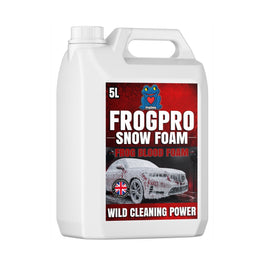
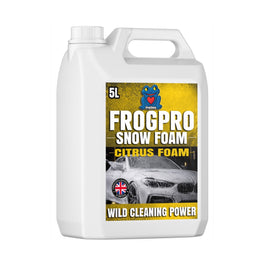
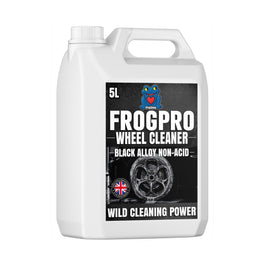
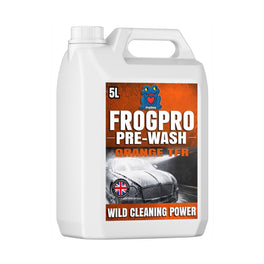
A mobile valeting startup can begin with a van, dependable equipment and a good eye for finish quality. Keeping it profitable is harder. Customers may judge the job by the shine on collection, but repeat work comes from arriving on time, working safely at their property and delivering a consistent result without spending too long on each vehicle.
The strongest mobile operators do not try to offer every detailing service from day one. They build a practical package of exterior cleaning, interior refreshes and protection work, then add specialist services once their process, customer base and cash flow are in place. That approach keeps initial spending under control while giving customers a clear reason to book.
Start with the service you can deliver consistently
Before buying chemicals or printing signs for the van, decide what a standard appointment looks like. A basic maintenance valet, a full interior and exterior valet, and a pre-sale clean are sensible starting points. Each needs a defined scope, expected duration and price. If one person cannot complete the job to a good standard in the time allowed, the package needs changing before it reaches the customer.
A maintenance valet might include a safe exterior wash, wheels, tyres, glass, vacuuming, wipe-down of interior surfaces and a finishing tyre dressing. A deeper valet can add stain treatment, upholstery or carpet extraction, thorough door shuts, more detailed interior cleaning and paint protection. Be precise about what is included. “Full valet” means different things to different customers, and vague descriptions create awkward conversations at the end of a job.
Consider where the work will be carried out, too. A driveway with access to an outside tap is very different from a busy office car park or a vehicle stored on the road. Some customers will expect a waterless or low-water option. Others will be happy to provide water and power if this is agreed at booking. The right setup depends on your local area, typical customer and the services you plan to sell.
Mobile valeting startup equipment that earns its place
It is tempting to fill a van with every brush, bottle and machine available. Start with equipment that improves speed, safety or finish quality on nearly every job. A reliable pressure washer, hose and fittings, wet and dry vacuum, pump sprayer, wash buckets with grit guards, quality wash mitts, drying towels, wheel brushes and interior brushes form the core of a working kit.
A compact extractor is often worth adding early if interior work is part of the offer. It can turn neglected fabric seats and footwells into a visible upsell, although it adds cost, water use and drying-time considerations. A dual-action machine polisher can wait until you have the skills, suitable insurance and enough demand for enhancement work. Poor machine polishing can create more work than it sells.
Your vehicle matters, but it does not have to be a newly fitted-out van. It must be clean, dependable and organised. Use secure storage so products do not fall over in transit, label dilution bottles clearly and keep dirty tools separate from clean microfibres. A small stock of spare triggers, hose connectors, towels and vacuum bags prevents a low-cost failure from stopping a paid job.
If you carry a water tank, factor in weight. Water, machinery, chemicals and shelving quickly reduce payload. Check the vehicle’s limits and make sure the load is secure. For many new operators, using customer water and power where practical is a lower-cost way to start, while a self-contained tank and generator setup may make sense once commercial work or remote locations justify it.
Build a chemical system, not a random collection
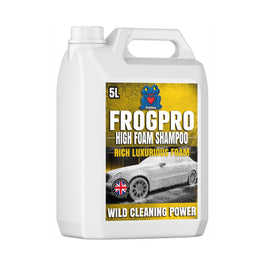
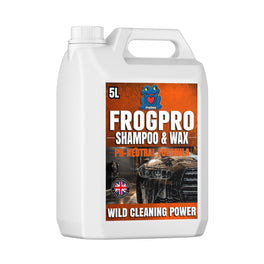
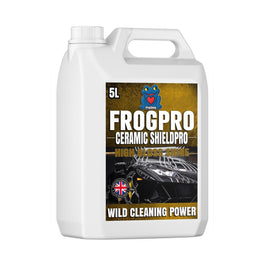
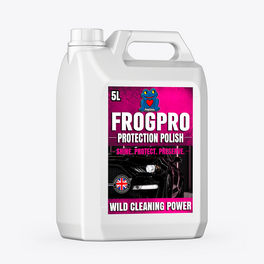
Professional results come from using the right product at the right stage, not from using the strongest cleaner on every surface. A simple chemical system should cover pre-wash, traffic film removal, snow foam or shampoo, wheel cleaning, interior cleaning, glass cleaning, tyre dressing and a durable protection product. Add dedicated fallout remover, tar remover, fabric cleaner and odour treatment when the service mix requires them.
Choose products with clear dilution guidance and use measuring bottles or dilution control equipment. Over-concentrating chemicals wastes money and can damage trim, sensitive wheels or interior materials. Under-diluting may save pennies on product but costs time and leaves poor results. Record the dilution ratios that work for your common jobs so every valet is repeatable, even when you later bring in another member of staff.
Do not treat all wheels the same. Heavily soiled alloys, polished metal, painted wheels and delicate finishes may need different methods. Likewise, an alkaline pre-wash that performs well on winter road film should be rinsed thoroughly and used with care on sensitive surfaces. Good valeting is controlled cleaning: assess the vehicle, select the safest effective product and avoid chasing speed at the expense of damage.
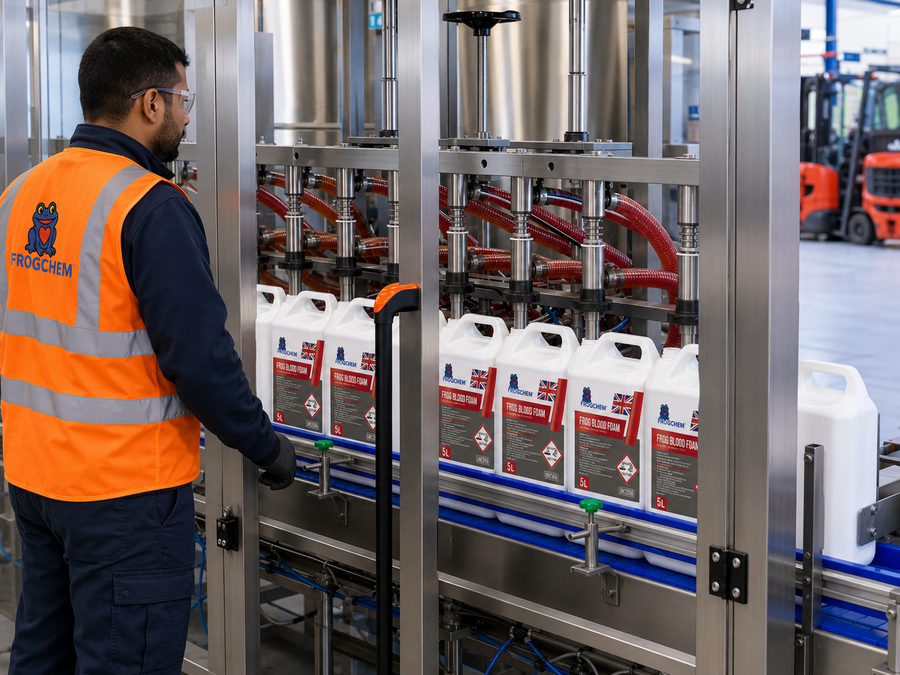
For operators building their kit, FrogChem can be a practical source for routine chemicals, detailing accessories and larger equipment in one place. The key is to buy for your booked work and realistic volume, rather than tying up cash in products that sit unopened on a shelf.
Price for time, travel and consumables
The biggest pricing error is basing every job on what nearby valeters advertise. Their price may reflect a different service level, lower overheads, years of repeat business or work that is simply underpriced. Work out your own costs first.
Include travel time, fuel, vehicle servicing, insurance, card payment fees, laundry, chemical use, equipment replacement, tax and the time spent replying to enquiries. Then estimate how many chargeable hours you can genuinely work in a week. Driving, setting up, packing down and customer messages are part of the business, even if they are not shown on the invoice.
Give customers a starting price, but ask enough questions before confirming a final quote. Vehicle size, pet hair, sand, mould, staining, excessive rubbish, heavily soiled seats and the lack of water or power can all change the time required. Photographs sent before booking are useful, especially for deep cleans. A fair surcharge is better than rushing a difficult job or losing money on it.
Travel zones can protect the diary. You might include a set radius in the base price, charge a clear mileage supplement beyond it, or group jobs by area on certain days. The best option depends on local demand. In rural areas, travel needs more attention; in a dense town, the value may be in fitting several maintenance valets into one neighbourhood.
Work safely and protect the customer’s property
A professional mobile valet needs more than cleaning ability. Public liability insurance is a sensible foundation, and you may also need cover for tools, the vehicle, treatment risk or vehicles in your care, depending on how you operate. Check the terms carefully rather than assuming one policy covers every service.
Chemical safety deserves the same discipline. Keep safety information for the products you use, store chemicals upright and away from food, and wear appropriate gloves and eye protection. Never decant products into unlabelled bottles. Make sure wash water, chemicals and debris are managed responsibly rather than allowed to run into drains without thought. Local rules and site requirements can vary, particularly at commercial premises.
Take before-and-after photographs with the customer’s permission, record existing damage where relevant and confirm expectations before starting. This is particularly useful for older vehicles, heavily stained interiors and paintwork that may have previous repairs. It protects both sides and makes it easier to demonstrate the value of your work.
Turn a good job into repeat work
Most profitable mobile valeting businesses are built on maintenance customers, not one-off deep cleans alone. A vehicle that is cleaned every four, six or eight weeks is quicker to maintain, easier to schedule and more likely to produce steady income. Offer a simple recurring service without forcing customers into complicated packages.
At the end of an appointment, explain what has been done and point out any areas that need future attention, such as embedded seat staining, paint contamination or worn protection. This is not a hard sell. It is useful advice from someone who has inspected the vehicle properly. A follow-up message the next day and a reminder when the next clean is due can be enough to bring the booking back.
Use the first few months to measure rather than guess. Track job time, product use, enquiry source, average spend and how often customers return. Those numbers will show whether a premium interior service is worth promoting, whether your travel area is too wide and which equipment will genuinely pay for itself. Start clean, work methodically and let repeatable results build the reputation your mobile valeting business needs.