A mobile valeting setup earns its keep when it lets you produce the same clean, sharp result on a dealer forecourt, driveway or business park as you would in a fixed unit. The right essential mobile valeting equipment is not simply a long shopping list. It is a compact, dependable system that carries enough water, power, tools and chemicals to complete a safe wash, interior clean and finishing service without wasting time between jobs.
For new valeters, the temptation is to buy every detailing accessory available. For established operators, the bigger risk is carrying too much kit and losing valuable space, payload and working speed. Start with the jobs you sell most often, then build around equipment that is durable, easy to maintain and suitable for repeated commercial use.
Start with your vehicle and working space
Your van, estate car or trailer sets the limits of the operation. Before choosing machines, check available payload, tie-down points, ventilation and where dirty water, hoses and chemicals will sit in transit. A pressure washer, water tank and wet vacuum are useful only when they can be loaded safely and accessed quickly.
A purpose-built van layout is ideal for a busy operation, but it is not essential on day one. Secure shelving, non-slip matting, properly rated straps and clearly labelled chemical storage will make a simple setup safer and faster to use. Keep clean microfibre towels and applicators away from wet equipment, and store products upright in suitable containers.
Water supply is one of the first practical decisions. Some customers can provide an outdoor tap, but relying on this can limit where you work. A baffled water tank gives you independence, although it adds considerable weight. A 250-litre tank weighs around 250kg before the tank itself, equipment or passengers are included, so it must suit the vehicle's legal payload.
Essential mobile valeting equipment for exterior work
A reliable pressure washer and hose setup
A commercial-grade pressure washer is the centre of most mobile exterior cleaning jobs. Choose one with enough working pressure and flow rate to shift traffic film efficiently, but do not assume maximum pressure equals better cleaning. Too much pressure, used too close to the surface, can damage badges, trim, delicate paintwork or ageing seals.
For mobile work, a compact cold-water machine is often the sensible starting point. It is easier to transport and handles routine washing well when paired with the correct pre-wash chemical. Hot-water pressure washers are highly effective on greasy fleet vehicles, engine bays and commercial work, but they cost more, use more fuel and need more careful installation.
Use a good-quality hose reel rather than loose coils in the back of the vehicle. It speeds up setup, reduces trip hazards and protects the hose from kinks. A selection of quick-release fittings, a short lance, a standard lance and a foam lance will cover most wash stages without repeatedly rebuilding the setup.
A water tank, pump and filter
If you carry water, match the delivery pump to the tank and pressure washer arrangement. The goal is consistent flow, not an overly complicated system. A basic filtration stage can help protect pumps and equipment from debris, while a clear level indicator prevents an awkward discovery halfway through a job.
In hard-water areas, consider how water quality affects your finish. Mineral-heavy water can leave spotting, particularly in warm weather or on dark paintwork. Carrying purified water may be worthwhile for premium detailing and maintenance washes, but it is not always necessary for every standard valet. Good drying technique and a suitable drying aid can make a substantial difference.
Wash tools that protect paintwork
The machine does the rinsing, but the contact wash determines whether a vehicle leaves looking cared for or covered in fresh wash marring. Carry separate buckets with grit guards, quality wash mitts, soft detailing brushes and wheel-specific brushes. Do not use the same mitt or brush on paintwork after cleaning wheels, tyres or lower panels.
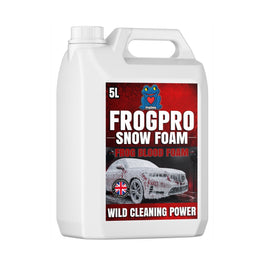
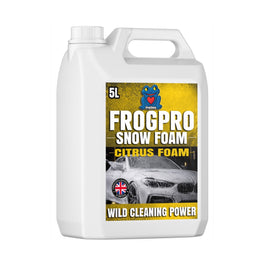
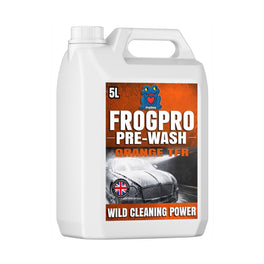
A foam lance is useful for applying snow foam or pre-wash evenly, but it is not a replacement for contact washing. Its job is to soften and remove loose grime before the wash mitt touches the surface. For heavily soiled vehicles, a traffic film remover applied at the correct dilution will often save more time than extra pressure washing.
A compact blower can be worthwhile for premium work, especially around mirrors, grilles, badges and wheel nuts. It removes trapped water that would otherwise run down freshly cleaned panels. If space or budget is tight, high-absorbency drying towels remain the priority.
Interior equipment that keeps jobs moving
A powerful wet and dry vacuum is one of the best investments a mobile valeter can make. It needs a long enough hose, useful crevice attachments and enough suction to deal with footwells, boot carpets and pet hair. A domestic vacuum may cope with occasional use, but repeated trade work soon exposes weak hoses, poor filtration and limited capacity.
For deeper interior work, an extractor is valuable for fabric seats, carpets and mats. It is particularly useful for dealership preparation, family cars and end-of-lease cleans. However, it adds weight, needs water and recovery capacity, and can lengthen drying times in cold or damp conditions. If your core service is a quick maintenance valet, a vacuum, interior cleaner, brushes and microfibres may deliver a better return initially.
Steam cleaners have their place for vents, awkward trims and sanitising hard surfaces, but they should be used with judgement. Excess heat or moisture is not suitable for every material, particularly sensitive electronics, headlinings and poorly repaired trim. Test discreetly and avoid saturating interiors just to chase a deeper clean.
Keep an organised set of interior brushes, a soft upholstery brush, crevice tools, glass cloths and dedicated microfibres for plastics, leather and screens. This prevents product transfer and helps avoid smearing on interior glass, one of the most noticeable signs of rushed work.
Power, lighting and safety are working equipment
Mobile valeting frequently means working where power points are unavailable or poorly positioned. A quiet inverter generator can run key equipment, while a battery power station may suit lighting, small tools and charging. Check the actual running wattage and startup demand of vacuums, extractors and pressure washers before committing to a power source.
Good lighting is not optional when you are cleaning interiors or inspecting paintwork. Rechargeable LED work lights reveal missed dirt in footwells, streaks on glass and residue around door shuts. Choose units that are stable, weather-resistant and able to run through an evening job.
Your setup should also include practical safety items: PPE suitable for the chemicals in use, warning cones, a first-aid kit, spill-control materials and a fire extinguisher appropriate to the vehicle setup. Chemical bottles must be labelled, secured and stored according to their instructions. Read dilution guidance carefully. Stronger is not automatically better, and overdosing wastes product while increasing the risk of staining or damage.
Build a chemical and consumables system around repeat work
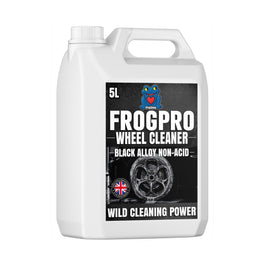
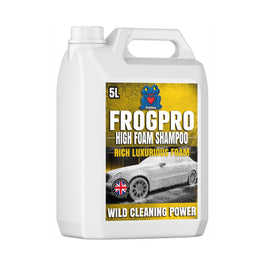
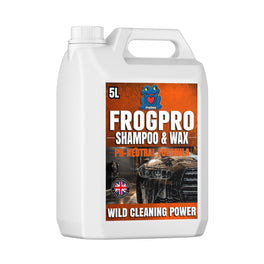
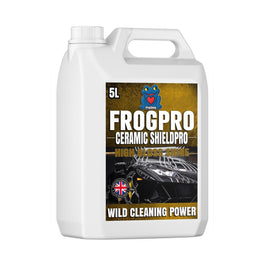
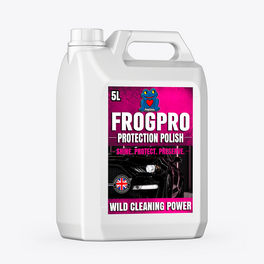
Equipment is only productive when the consumables are ready to use. Carry the core chemicals required for your booked services: pre-wash or traffic film remover, snow foam, shampoo, wheel cleaner, tyre dressing, glass cleaner, interior cleaner and a suitable protectant or quick-detail product. Add specialist products only where they support a profitable service, such as fallout remover, tar remover, leather care or ceramic coating preparation.
Use dilution bottles with clear labels and colour-coded triggers where possible. This cuts errors when working quickly and makes training easier if you employ staff. A small stock of spare trigger heads, spray bottles, brushes, microfibres, wash mitts and hose fittings can prevent a minor failure from costing a full booking.
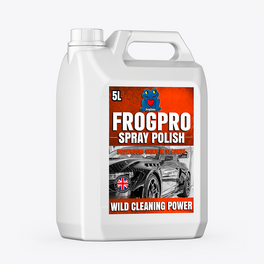
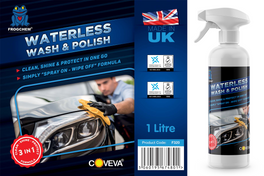
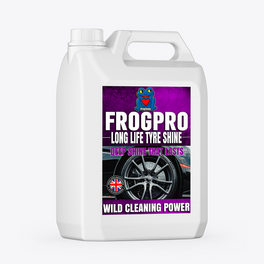
FrogChem customers often benefit from sourcing chemicals, sprayers, pressure washing equipment and finishing accessories together, because compatibility matters in day-to-day use. The aim is not to buy one of everything. It is to create a repeatable process where each product and tool has a clear job.
Buy for the service level you actually offer
A mobile maintenance valet, a full interior restoration and a paint-correction detail do not require the same kit. If you are servicing fleet vehicles, speed, chemical economy and durability are likely to matter most. If you work on enthusiast cars, paint-safe wash media, inspection lighting and finishing tools may justify more of the budget.
Start with equipment that protects the vehicle and makes the basic process efficient. Upgrade when demand proves the need, not because a tool looks impressive in a social media video. A clean, secure and well-organised mobile setup gives customers confidence before you have even started the wash - and gives you the time to focus on the finish they will remember.