Brake dust is not ordinary road dirt. It is a stubborn mix of hot metallic particles, carbon residue and adhesive grime that bonds to wheel surfaces, particularly after repeated braking in town traffic. To remove brake dust properly, you need to work on cool wheels, use a suitable cleaner and avoid the temptation to attack the finish with an overly aggressive brush.
For a valeting business, clean wheels can transform a handover or retail preparation job in minutes. For the home detailer, they are often the difference between a car that looks washed and one that looks properly finished. The method is straightforward, but the product choice and wash order matter if you want clean alloys without staining, scratching or reducing the life of a protective coating.
Why brake dust needs a different approach
Most modern brake pads shed fine particles as they wear. Those particles contain ferrous material from the brake disc, along with pad material and general road contamination. When the wheels get hot, the contamination can bake onto the lacquer or wheel coating, especially around the spokes, wheel bolt recesses and inner barrel.
A standard car shampoo will shift loose surface dirt, but it may not break down heavy, bonded deposits. That is why a dedicated wheel cleaner is normally the right starting point. The best option depends on the wheel condition, the type of finish and how often the vehicle is maintained.
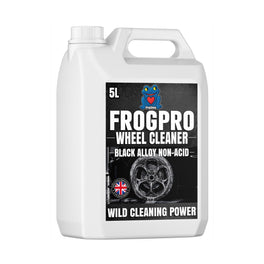
A pH-neutral reactive wheel cleaner is a good all-round choice for regular work, coated wheels and premium finishes. It reacts with embedded iron contamination and is often seen changing colour as it works. For neglected fleet vehicles, work vans or wheels that have missed several wash cycles, a stronger alkaline wheel cleaner may be quicker on oily traffic film and entrenched grime. Stronger chemistry can be highly effective, but it must be used exactly as directed and should never be left to dry.
Avoid using acid-based wheel cleaners unless you know the wheel finish, the product dilution and the correct safe-use procedure. Acid can bring dramatic results on suitable surfaces, but it can also mark damaged lacquer, polished metal, anodised finishes and some painted wheels. It is not the default answer for routine valeting.
How to remove brake dust safely
Start when the wheels are completely cool. Do not clean immediately after driving, and do not work in direct hot sunshine where possible. Heat speeds up evaporation, making cleaners dry too quickly and increasing the risk of staining.
Rinse each wheel thoroughly with a pressure washer or hose first. This removes loose grit that could otherwise be dragged across the finish during agitation. Aim into the wheel arches and behind the spokes as well as across the wheel face. On a heavily soiled vehicle, this initial rinse often reveals where the bonded brake dust is concentrated.
Apply your wheel cleaner evenly, covering the face, spokes, wheel nuts and inner barrel. Give it the stated dwell time, but keep watching the surface. A reactive cleaner needs time to react with iron particles; a general-purpose alkaline cleaner needs time to loosen road film. Neither should be allowed to dry.
Agitate gently with dedicated wheel brushes. Use a soft detailing brush for wheel nuts, badges and tight spoke areas, a soft wheel-face brush for the front of the alloy, and a flexible barrel brush for the inside of the wheel. A separate stiff tyre brush can be used on the rubber sidewall, but keep it away from painted or lacquered wheel surfaces.
Work from the top of the wheel down, refreshing the brush in clean water as needed. Do not use the same wash mitt or brush that you use on paintwork. Wheels carry sharp contamination and brake particles, so separating wheel tools from bodywork tools is basic good practice.
Rinse thoroughly from every angle. Pay attention to the back of the spokes, the brake calliper area and the lower edge of the rim where cleaner can collect. If the water is still running brown or purple from a reactive product, repeat the cleaning process rather than scrubbing harder.
Dry the wheel with a dedicated microfibre towel or a warm-air dryer. Drying is not just about appearance. It lets you inspect the finish properly for bonded deposits, tar spots, chips and areas where lacquer may be failing.
Match the cleaner to the wheel and the job
Wheel finish is not always obvious at a glance. Most factory alloys are painted and lacquered, but diamond-cut wheels, polished lips, matte finishes, chrome, powder-coated aftermarket wheels and bare metal components all have different tolerances. If you are preparing a customer vehicle and are unsure, begin with the mildest effective product and test an inconspicuous area.
For well-maintained wheels, a pH-neutral wheel cleaner with soft agitation is usually enough. This is the sensible route for ceramic-coated alloys too, as aggressive products can reduce the behaviour and lifespan of some wheel protection products over time.
For commercial vehicles and high-mileage daily drivers, the challenge is often a mix of brake dust, diesel traffic film and tyre browning. A suitable alkaline cleaner, diluted according to the label where applicable, can cut through this faster than a neutral product. The trade-off is that stronger cleaners demand more control: correct dilution, short dwell times and complete rinsing.
If the wheel has stubborn orange specks after washing, you may be looking at iron contamination rather than surface dust. A reactive fallout remover can help. If black dots remain, they may be tar deposits, which need a dedicated tar remover rather than more wheel cleaner. Matching the chemical to the contamination saves time and reduces unnecessary agitation.
The mistakes that mark wheels and waste time
The most common mistake is washing wheels while they are hot. Even a good product can spot or dry unevenly when applied to a warm wheel. The next is using one hard brush for everything. Stiff bristles may be useful on tyre rubber or heavily textured plastic trims, but they can scratch gloss-black, polished and delicate wheel finishes.
Another problem is allowing cleaner to dry in the wheel bolt holes, around valve stems or on the lower rim edge. Work one wheel at a time on warm days, rather than applying product to all four and hoping to return before it dries.
Do not spray wheel cleaners onto brake discs and then leave the vehicle parked without rinsing. Rinse the braking components thoroughly, and after washing, apply the brakes gently at low speed in a safe place to clear surface moisture. This is particularly relevant during colder, damp weather.
Finally, do not judge the job by the outer wheel face alone. The inner barrel is where much of the brake dust builds up, and leaving it untouched can make freshly cleaned wheels look dirty again after the first drive.
Make future wheel cleaning easier
The quickest way to deal with brake dust is not to let it bake on. Include the wheels in every maintenance wash, even if they only need a rinse and a mild cleaner. Frequent light cleaning is safer and faster than a heavy restoration clean every few months.
Once the wheels are clean and dry, apply a wheel sealant, ceramic protection product or other wheel-safe protective coating suited to the finish. Protection will not stop brake dust forming, but it reduces bonding and makes routine rinsing more effective. This is especially useful for front wheels, which typically collect more dust due to the braking load.
For busy valeters and hand car washes, a consistent wheel process also keeps labour under control: pre-rinse, apply the right cleaner, agitate with dedicated tools, rinse fully and protect where required. Keeping brushes, chemical-resistant sprayers and clean microfibres assigned to wheel work prevents cross-contamination and maintains a professional finish.
FrogChem customers working through regular vehicle maintenance will usually get better results from choosing wheel chemistry for the contamination at hand rather than reaching straight for the harshest product. Clean little and often, protect the finish once it is spotless, and brake dust becomes a routine part of the wash rather than the job that holds everything up.