A shiny exterior sells the first impression, but the cabin is where people decide whether a vehicle feels looked after or neglected. If you are trying to choose the best car interior cleaner, the right answer usually depends on the surface, the level of soiling and how quickly you need the job done. A family hatchback with light dust needs something very different from a dealer forecourt car with ingrained marks, or a driving school vehicle that sees constant use.
That is where buyers often get tripped up. They look for one product to do everything, then wonder why plastics streak, fabrics stay damp or leather loses its finish. In practice, the best results come from matching the cleaner to the material and the workload.
What makes the best car interior cleaner?
A good interior cleaner has to do more than lift visible dirt. It needs to break down body oils, food spills, traffic grime and day-to-day handling marks without leaving residue behind. Residue is what causes that tacky feel on dashboards, the patchy finish on trim and the quick return of dust after cleaning.
For trade users, there is another factor - speed. A product can be technically excellent, but if it needs multiple passes, heavy dilution guesswork or long drying times, it will slow the job down. For home users, ease of use matters just as much. Most people want a cleaner that sprays evenly, wipes off cleanly and does not need specialist technique to get a professional-looking finish.
The best car interior cleaner is usually one that balances cleaning strength with surface safety. Too mild, and you are working twice as hard. Too aggressive, and you risk fading, staining or drying out sensitive materials.
One cleaner or several?
For light maintenance, an all-purpose interior cleaner can make sense. It is practical for dashboards, hard plastics, vinyl, door cards and general wipe-down work. If you are managing a small valeting operation or keeping your own vehicle tidy between deeper cleans, this kind of product covers a lot of ground efficiently.
But there is a limit. Fabric seats, carpets, leather and high-touch areas often benefit from dedicated products. Upholstery cleaners are built to lift dirt from fibres without overwetting. Leather cleaners are made to clean without stripping natural oils or affecting the finish. Glass-safe interior products avoid smearing where overspray happens around screens and trim.
So if you are asking for the single best car interior cleaner, the honest answer is that there is no universal winner for every task. There is usually a best choice for routine interior plastics, a best option for textiles and a separate best fit for leather care.
The best car interior cleaner for plastics and vinyl
Dashboards, centre consoles, door trims and kick panels tend to collect a mix of dust, skin oils and general grime. In work vehicles and high-use family cars, these surfaces also pick up scuffs, drink spills and greasy marks around handles and switches.
For this job, you want a non-greasy interior cleaner that cuts through contamination but dries to a natural finish. That last point matters. Many drivers do not want an overly glossy dashboard, especially if it creates windscreen glare in bright conditions. A clean, satin or factory-look finish is usually the safer and more professional result.
Spray the product onto a microfibre cloth or detailing brush rather than directly onto sensitive electronics. Work into seams, textured plastics and around buttons, then wipe with a fresh cloth. If the trim is heavily soiled, a second pass is often faster than trying to flood the area on the first go.
Fabric seats and carpets need a different approach
Textiles hold dirt below the surface, which is why they can still look tired after a basic wipe-down. Mud, food, coffee, pet hair and moisture all settle into seat fabric and carpet pile. If you use a hard-surface cleaner here, you may remove the top layer of grime but leave stains and odours behind.
A proper fabric or upholstery cleaner is the better option. These products are designed to lift dirt from fibres, often with foaming or low-moisture action that helps prevent long drying times. That is especially useful for valeters turning cars around quickly, or for drivers who cannot leave doors open for hours.
Agitation is part of the job. A soft interior brush helps work the cleaner into the fibres, and extraction or vacuuming afterwards improves the final result. On older stains, do not expect instant perfection. Some marks will need repeat treatment, and some may be permanent if they have dyed the fabric.
Leather needs cleaning, not soaking
Leather seats are often cleaned badly because people treat them like plastic. Strong all-purpose products can leave leather dry, flat or patchy, particularly on coated finishes that are already worn. Equally, applying too much liquid can force cleaner into stitching and perforations where it is not wanted.
The best approach is a dedicated leather cleaner used sparingly. Apply to a cloth or brush, work gently over the surface and wipe away loosened dirt before it dries back in. Once the leather is clean, a conditioner or protectant may be worth using, especially on vehicles that spend long periods in the sun or carry frequent passengers.
For trade jobs, this matters because leather can look acceptable at first glance while still holding body oils and grime in bolsters and steering wheels. Cleaning these properly lifts the overall presentation of the whole vehicle.
Heavy-use vehicles need stronger performance
A private car used for commuting will not usually face the same interior abuse as a taxi, driving school car, delivery van or dealership stock vehicle. In those settings, the best car interior cleaner needs to work harder and faster. There is less room for delicate products that only cope with light dust.
Commercial users should look for products that clean effectively at the correct dilution, pair well with sprayers and brushes, and do not create unnecessary rework. Consistency matters when staff are using the same chemical across multiple vehicles. If one bottle performs unpredictably, it costs time.
This is also where product format makes a difference. Ready-to-use cleaners are convenient and reduce mixing errors, while concentrates can be more economical for higher volume operations. Neither is automatically better. It depends on whether your priority is speed on the bay or lower cost per vehicle.
Common mistakes when choosing an interior cleaner
The biggest mistake is buying solely on fragrance or marketing claims. A fresh scent can help the cabin feel cleaner, but fragrance is not cleaning power. The finish after wiping, the ease of residue removal and the compatibility with different surfaces matter more.
Another common error is using the same product on every interior material. That might be acceptable for a quick maintenance clean, but it is not always the best route for quality. Screens, piano black trim, fabric, leather and rubber mats all respond differently.
Overapplication is another problem. More product does not always mean more cleaning. In many cases it just means more wiping, slower drying and a greater chance of smearing.
How to choose the best car interior cleaner for your work
If you are buying for regular valeting or fleet maintenance, start with the vehicles you handle most often. A dealership preparing used cars needs versatility and presentation. A hand wash or valeting unit may need speed and a reliable finish across mixed interiors. A driving school or courier fleet may prioritise sanitising high-touch areas and removing stubborn grime from plastics and fabric.
For home users, think about the cabin you actually have. Leather-trimmed interiors, child seats, pet travel, light-coloured upholstery and textured dashboards all call for slightly different solutions. Buying one decent hard-surface cleaner and one proper fabric or leather product is often smarter than trying to make a single bottle do every job.
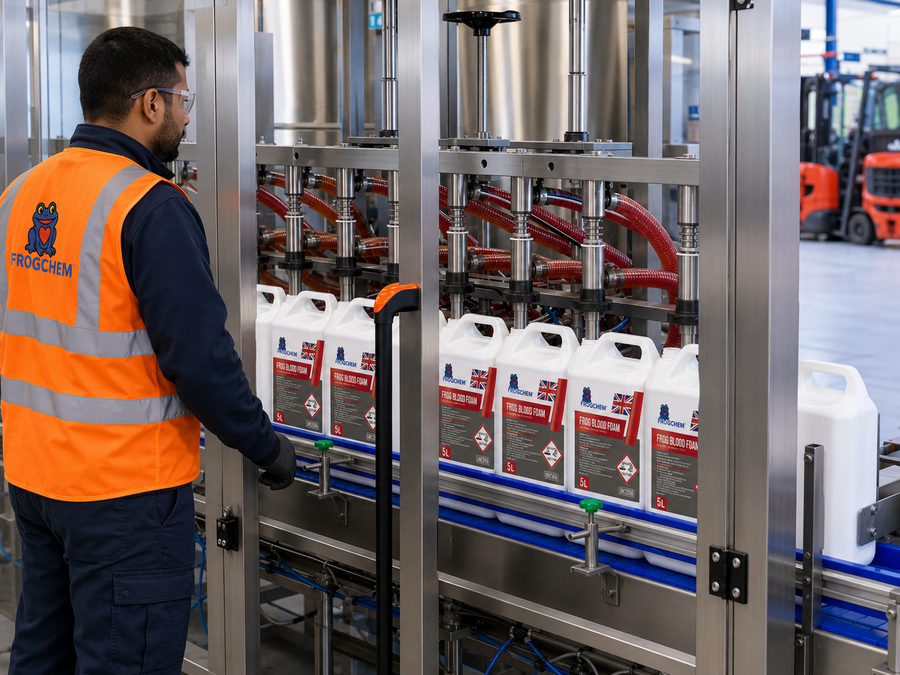
That is also why professional-grade suppliers tend to be a better place to buy than general retail shelves. The product range is usually broader, dilution guidance is clearer and you can choose cleaners that suit both everyday upkeep and heavier corrective work. FrogChem, for example, caters to both trade and serious retail buyers who want that level of flexibility.
A simple process gets better results
Even the best cleaner performs poorly if the process is wrong. Start by removing loose dirt with a vacuum and soft brush attachments. If you skip that step, you will drag grit around the cabin and make the wipe-down harder.
Work from the cleaner areas to the dirtier ones, and from higher surfaces downwards. Use separate cloths for plastics, glass and heavier grime. On textiles, test in an inconspicuous area first, especially on older or delicate materials.
The final result should look clean without looking dressed up. No greasy steering wheel, no shiny pedals, no smeared screens. Just a dry, fresh, properly maintained cabin.
If you want a genuinely better interior finish, stop looking for a miracle bottle and start choosing cleaners by material, workload and finish. That is usually the difference between an interior that simply smells cleaner and one that actually looks ready for handover.