A freshly washed car with faded, brownish tyres never quite looks finished. If you want that proper detailed look, knowing how to dress car tyres makes a bigger difference than most people expect. Done well, tyre dressing adds a clean, even finish, improves presentation, and helps the rubber look maintained rather than dry and neglected.
Why tyre dressing matters
Tyres sit in the harshest part of the vehicle. They deal with road salt, rain, brake dust, traffic film, UV exposure and repeated washing. Over time, that leaves the sidewalls looking dull, patchy and tired, even if the rest of the car is spotless.
Dressing is not just about adding shine. A good product can restore a richer black finish and give the tyre a more cared-for appearance. For trade users, that matters because presentation sells. On forecourts, in valeting bays and at hand wash sites, the final look counts. For home users, it is the detail that makes a cleaned car look properly finished.
That said, not every tyre needs a dripping wet gloss. Some drivers want a satin OEM-style finish, while others prefer a high-shine look. The right result depends on the product, the application method and how much dressing you use.
How to dress car tyres step by step
The biggest mistake people make is applying dressing straight onto a dirty tyre. If the sidewall still has old product, road grime or browning on it, the finish will be uneven and the dressing will not bond properly.
1. Clean the tyre first
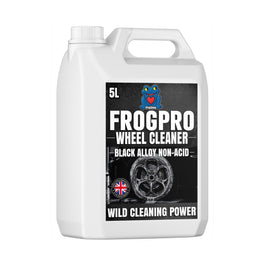
Start with a dedicated tyre or wheel cleaner and work it into the sidewall with a stiff brush. You are looking to lift old dressing, embedded dirt and the brown residue that builds up in the rubber. On heavily neglected tyres, this can take more than one pass.
Rinse thoroughly and inspect the surface. If the tyre still looks patchy or brown, clean it again. Dressing performs best on a fully cleaned surface, not one that has only had a quick rinse.
2. Dry the tyre properly
Before applying any product, let the tyre dry or wipe it down with a cloth. Water left on the sidewall can dilute the dressing and lead to streaking. This is especially noticeable with gel-based products or thicker dressings designed for longer durability.
If you are working in a busy valeting setup, it is tempting to move straight from rinse to dressing. It saves a minute, but the finish often suffers. Dry rubber gives a more even result and better hold.
3. Apply the dressing to an applicator, not straight to the tyre
For most jobs, the cleanest method is to apply the dressing onto a foam or microfibre applicator pad first. Then work it around the sidewall in a controlled, even layer. This helps you avoid overuse and keeps product off the wheel face and tread.
Spraying directly onto the tyre can be quicker, especially in volume work, but it is harder to control. Overspray onto alloy wheels or paintwork creates extra wiping, and excess product raises the risk of sling once the vehicle moves.
4. Work it evenly into the sidewall
Move around the tyre methodically, pressing the dressing into all the lettering, grooves and contours of the sidewall. Thin, even coverage nearly always looks better than one heavy coat. If you miss sections, the tyre will dry with darker and lighter patches.
On low-profile tyres, this is straightforward. On larger 4x4, van or commercial tyres with deeper sidewall texture, take a little more time to spread the product fully.
5. Allow it to cure, then level if needed
Once applied, leave the dressing to settle for a few minutes. If the finish looks too glossy or there is visible excess, lightly wipe the tyre with a dry applicator or cloth to level it out. This reduces sling and gives a neater result.
If you want more shine, add a second light coat rather than flooding the tyre on the first pass. Layering gives better control and usually a more professional finish.
Choosing the right tyre dressing
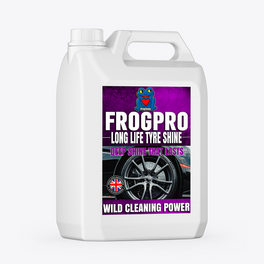
Not all dressings behave the same way. Water-based products are popular because they are easier to apply, easier to level and often leave a more natural satin finish. They suit everyday cars, dealership prep and drivers who want a clean, fresh look without too much gloss.
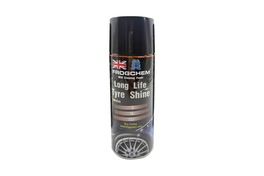
Solvent-based dressings usually produce a stronger shine and can last longer, but they need more care in application. Used properly, they can work very well. Used too heavily, they can attract dust, feel greasy and throw product onto bodywork.
There is also the question of finish. Some products are designed for subtle darkening, while others are built for a high-gloss look. Neither is automatically better. It depends on the vehicle, the customer and the standard you are trying to hit. A prestige saloon often looks better with a restrained satin finish. A show car or freshly detailed weekend motor might suit something glossier.
Common mistakes that spoil the finish
Most poor tyre dressing results come down to preparation or over-application. If the tyre is not properly cleaned, the dressing sits on top of contamination and wears unevenly. If too much product is used, the sidewall can look sticky rather than dressed.
Applying dressing to the tread is another issue. Aside from being messy, it is not where the product belongs. Keep it on the sidewall only. The same goes for getting dressing onto the wheel face. It adds avoidable clean-up and can spoil the finished look.
Weather also matters. Applying product in direct sun or onto hot tyres can lead to patchiness because the dressing flashes off too quickly. Whenever possible, work on cool tyres out of strong sunlight.
Getting a trade-quality result
If you are dressing tyres regularly, consistency is what separates a rushed finish from a professional one. Use a proper tyre cleaner first, use the same style of applicator across the job, and keep your coating even on all four tyres. One glossy tyre and three satin ones make the vehicle look unfinished.
For trade operators, speed matters, but so does repeatability. A product that gives a dependable finish with low sling is often more useful than the glossiest option on the shelf. In a working valeting environment, the best dressing is usually the one that looks right, applies quickly and does not create complaints once the car leaves site.
For enthusiasts, the standard can be a bit different. You may be happy to spend longer building the finish or layering coats for a deeper look. That is fine, as long as the tyre is prepped properly and the product is given time to settle before driving.
How long tyre dressing lasts
There is no single answer here because durability depends on the product, road conditions, weather and how often the vehicle is washed. A daily-driven car in wet British conditions will not hold a dressing as long as a garaged vehicle used occasionally.
Water-based dressings may need topping up more often, especially after rain or strong wheel cleaning. Heavier dressings can last longer, but if they are over-applied, the finish may degrade untidily. In practice, a clean reapplication after a proper wash often gives better results than trying to force maximum longevity from one heavy coat.
Is tyre dressing safe?
Used correctly, yes. The key is correct product choice and careful application. Keep dressing off the tread, avoid soaking the tyre, and let the product settle before driving. If you are using strong chemicals during preparation, follow the product directions and rinse fully.
This is where using professional-grade cleaning and dressing products makes a real difference. Better chemistry tends to give more predictable results, especially when you are dealing with repeat work across different vehicle types.
When not to dress tyres
If the tyre is cracked, heavily weathered or close to replacement, dressing will only improve the look temporarily. It does not repair damaged rubber. On vehicles with serious sidewall wear, presentation should never distract from safety.
It can also make sense to skip a glossy finish in bad weather or on working vehicles where a natural, low-sheen appearance is more practical. Not every car needs a showroom-style look. Sometimes clean, dark and tidy is the right target.
At FrogChem, we see the same thing again and again - the best tyre finish comes from matching the product to the job and applying it with a bit of care. Whether you are turning around customer vehicles or maintaining your own car at home, clean preparation and controlled application will get you further than simply using more product. When the tyres look right, the whole vehicle looks sharper.