A poor wash mitt can put fine marks into paintwork. A tired spray head can turn a simple wheel-cleaning job into wasted chemical and wasted time. That is why professional detailing accessories are not an afterthought for a valeter, dealer preparation bay or serious home detailer. They determine how safely products are applied, how quickly jobs move through the wash area and how consistently the finished vehicle looks.
The right accessory does not need to be expensive or complicated. It needs to suit the task, tolerate regular use and work properly with the chemicals and equipment already in place. For a hand car wash or mobile valeting operation, that means choosing items that can be cleaned, replaced and relied on through a busy week. For the enthusiast, it means getting better results without filling the garage with tools that only see use once.
Build your kit around the job, not the shelf
Accessories are easiest to buy when you work backwards from the service you provide. A quick maintenance wash needs safe contact-wash tools, drying towels and dependable trigger sprayers. A full valet adds brushes for wheels, trims and interior gaps, glass cloths, applicators and vacuum attachments. Paint correction or ceramic coating work demands a more controlled set-up, particularly around lighting, masking, polish residue removal and coating application.
One tool rarely does every job well. The same cloth used on lower door shuts should never then be used on a dashboard or gloss-black trim. Likewise, a stiff wheel brush may be excellent for tyre sidewalls but entirely wrong for a delicate wheel face. Separating accessories by surface and soil level is a basic discipline that protects the vehicle and gives staff a repeatable process.
It also reduces unnecessary chemical use. A dedicated brush reaches grime in badges, fuel flaps and panel gaps without flooding the area with cleaner. A proper applicator spreads dressing evenly rather than leaving it to run down the tyre. Small gains like these matter when you are preparing several cars a day.
Professional detailing accessories for safer washing
The contact wash stage is where accessory quality shows most clearly. Paintwork may look clean after a quick wash, but poor washing media can leave light marring that becomes obvious under showroom lighting or bright sun.
Wash mitts, buckets and grit control
A plush microfibre wash mitt holds plenty of shampoo solution and releases dirt more safely than a worn sponge. It should be rinsed regularly and kept for upper paintwork only. Lower panels, sills and rear bumpers collect heavier contamination, so use a second mitt or pad for these areas.
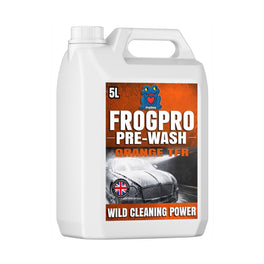
Buckets still earn their place, especially in professional hand-wash work. A grit guard helps settle heavier particles beneath the rinse water rather than allowing them straight back into the mitt. It is not a substitute for a thorough pre-wash, but it supports a safer contact stage once traffic film remover or snow foam has loosened the worst dirt.
For high-volume sites, colour coding is worth the effort. Keep paintwork, wheels, interior and engine-bay tools visibly separate. It is a simple way to stop cross-contamination when several people are working around the same vehicle.
Drying towels that save time and reduce marks
Drying with an old chamois or a small household towel creates drag and usually leaves water behind in mirrors, grilles and panel gaps. Large, absorbent microfibre drying towels make the process quicker and require less pressure on the paint. Blotting or lightly drawing the towel across a protected surface is safer than pushing hard to chase every last droplet.
One large towel is often enough for a well-maintained hatchback, but it depends on weather, vehicle size and towel condition. Larger SUVs, vans and lorries may need a second towel, particularly if they have been washed outdoors on a damp day. Keep a smaller drying cloth nearby for door shuts, fuel fillers and around number plates.
Wash towels separately from heavily soiled wheel cloths, avoid fabric conditioner and let them dry fully before storage. A towel that smells damp or feels clogged will not perform like a fresh one.
Brushes and applicators: use the right level of agitation
Chemical does the loosening; the accessory provides controlled agitation. The aim is to lift dirt from awkward areas without scratching, splashing or forcing strong product where it does not belong.
Soft detailing brushes are useful around badges, window rubbers, grilles, mirrors and interior switches. Choose soft bristles for sensitive surfaces and avoid pressing hard. If a brush is dragging, the area may need more product dwell time or a rinse before further work.
Wheel cleaning needs more than one tool in most cases. A long wheel brush reaches behind spokes and into barrels, while a smaller brush deals with wheel nuts, brake calipers and tight shapes. A firmer tyre brush is suited to rubber sidewalls, where old dressing and road grime can hold on stubbornly. Do not use that brush on alloy faces.
Foam, microfibre or suede applicators all have different uses. Foam applicators work well for tyre dressing and many trim products. Microfibre applicators suit waxes, sealants and some interior dressings. Suede applicators are commonly used for ceramic coatings because they help lay down a controlled, thin layer. The trade-off is simple: more specialised applicators improve control, but they should be treated as single-purpose consumables where cross-contamination could affect the finish.
Sprayers, bottles and dispensing equipment matter
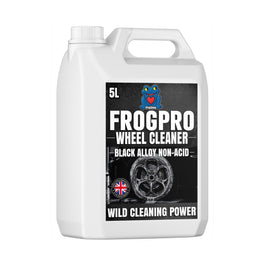
A strong cleaner is only useful when it can be applied accurately. Cheap trigger heads often fail first, either by leaking, sticking or delivering an uneven pattern. For daily work, choose chemical-resistant bottles and spray heads designed for the product being used, especially with traffic film removers, wheel cleaners and other alkaline or acidic formulations.
Use clear labels on every decanted bottle. Include the product name, dilution and intended surface. This keeps a work area safer and prevents a member of staff grabbing a strong wheel cleaner when they meant to use an interior cleaner.
For repeated tasks, pressure sprayers can be more efficient than a trigger bottle. They cover larger panels quickly during pre-wash, wheel cleaning or interior sanitising, and can reduce hand fatigue across a long shift. However, they need rinsing and pressure release after use. Leaving product sitting in seals and hoses is a quick route to poor performance.
Measure dilution rather than guessing it. A measuring jug, dosing bottle or proportioning system may seem basic, but it protects margins and produces consistent cleaning strength. Overdosing does not automatically clean better. It can create residue, increase rinsing time and add cost to every vehicle.
Microfibre management separates tidy work from professional work
Microfibre cloths are among the most useful accessories in any kit, but only when they are assigned properly. A short-pile cloth is useful for removing polish or coating residue. A soft, edgeless cloth suits final buffing. Glass cloths should stay exclusively for glass, as traces of dressing or wax can leave smears that are difficult to diagnose.
For a working valeting bay, keep enough cloths in rotation that nobody is tempted to reuse a dirty one. The exact number depends on throughput, but the principle remains the same: once a cloth is loaded with grime, switch it out. This is cheaper than correcting avoidable marks or re-cleaning a dashboard covered in lint.
A basic system works well: use separate storage for clean cloths, used paintwork cloths, interior cloths and wheel cloths. Wash them according to their use, not all together in one load. That routine is less glamorous than a new machine polisher, but it has a direct effect on finish quality every day.
Buy for replacement, compatibility and workflow
The best kit is not always the largest kit. Before adding another brush, bottle or attachment, consider whether it will fit the equipment you already use, whether replacement heads or cloths are available, and where it will live between jobs. A busy wash bay needs tools that are easy to find and fast to put back.
For trade buyers, buying a few identical accessories can be smarter than mixing different styles. Staff learn the tool quickly, stock is easier to replenish and performance stays consistent. For home users, a smaller collection of well-chosen items is usually more useful than a box full of novelty tools.
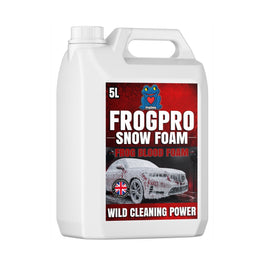
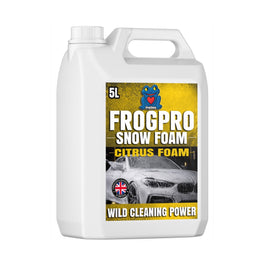
FrogChem customers often need chemicals, sprayers, brushes, cloths and larger wash equipment working as one system. Matching accessories to the product and task helps every stage run more cleanly, from pre-wash to final dressing.
A professional finish is built through small, repeatable decisions. Keep your accessories clean, give each one a defined job and replace them before they start compromising the work. The vehicle will show the difference long before the customer asks what products were used.