A forecourt car can be mechanically sound, correctly priced and well presented on paper, then lose its appeal because of dusty trim, tyre bloom or smeared glass. Knowing how to clean dealership cars quickly is not about rushing the job. It is about building a repeatable process that gives every vehicle a sharp, sale-ready finish without creating bottlenecks in the wash bay.
For dealerships, speed matters because stock turns, handover dates move, and used vehicles often arrive needing attention at short notice. The right chemicals, equipment and order of work make the difference between a fast professional clean and a rushed result that has to be corrected later.
Set up the wash bay before the cars arrive
The quickest valeting teams spend less time walking around looking for products. Keep the wash area organised by task: pre-wash and exterior chemicals at the wash point, wheel products and brushes together, drying towels stored clean and dry, and interior products beside the vacuum area.
Use clearly labelled dilution bottles or a proportioning system for frequently used chemicals. Traffic film remover, snow foam, shampoo, glass cleaner, all-purpose cleaner and tyre dressing should be ready to use at the correct dilution. Over-concentrating wastes product and can leave residue. Under-diluting means extra dwell time and repeat applications.
A basic dealership set-up should include a pressure washer, foam lance or sprayer, wet and dry vacuum, airline or blower, two wash buckets with grit guards, dedicated wheel brushes, microfibre wash mitts and plenty of colour-coded microfibre cloths. Colour coding helps prevent wheel grime reaching paintwork or interior surfaces.
It is also worth separating incoming stock from completed vehicles. A clean vehicle parked beside cars awaiting preparation soon picks up dust, water spotting and unnecessary marks from staff moving around it.
Build a fast, safe exterior wash process
The most efficient exterior routine works from the dirtiest areas down and avoids touching paintwork until loose contamination has been removed. This reduces the chance of wash-induced marring, particularly on darker used stock where swirl marks show quickly under forecourt lighting.
Start with wheels, tyres and arches
Wheels and lower panels normally carry the heaviest soil. Apply a suitable wheel cleaner to cool wheels, allowing it to dwell as directed. Agitate faces, barrels, wheel nuts and tyre sidewalls with dedicated brushes. Clean wheel arches where practical, especially on SUVs, vans and vehicles with open alloy designs.
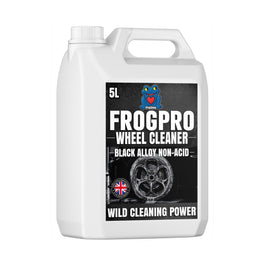
Do not use one aggressive wheel chemical for every job. Acidic products can be fast on heavily neglected wheels, but they need correct handling and are not suitable for all finishes. For daily dealership work, a professional non-acidic wheel cleaner is usually the safer, more versatile choice.
Rinse this area thoroughly before moving on. Leaving wheel cleaner or traffic film remover to dry is one of the easiest ways to create extra work.
Pre-wash before contact washing
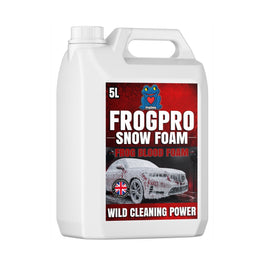
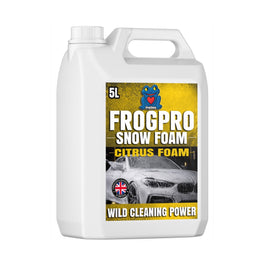
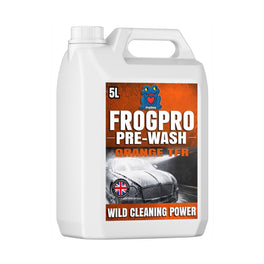
Apply traffic film remover to lower panels, rear ends, door shuts and front areas where insects and road grime build up. Then cover the vehicle with snow foam or a suitable pre-wash. Give it enough dwell time to soften dirt, but never allow it to dry on the panel.
A thorough pressure rinse removes a surprising amount of contamination before a wash mitt touches the paint. This step may feel slower when the queue is full, but it saves time by reducing rework and protecting the finish of vehicles that need to look good under close inspection.
For light, regularly maintained stock, a quality shampoo can follow immediately. For older trade-ins or vehicles coming from auction, a stronger pre-wash may be needed. Match the chemical strength to the condition rather than using maximum strength as standard.
Contact wash in a fixed order
Wash from the roof down, completing one section at a time. Use a clean microfibre mitt and fresh shampoo solution, rinsing the mitt regularly. Leave the sills, lower doors and bumpers until last.
Keep door shuts as a separate job. A quick spray of all-purpose cleaner, gentle agitation and rinse can transform the presentation of a used car, but avoid flooding locks, electrical switches and sensitive trim. On a busy day, clean visible shuts first and reserve deep shut cleaning for vehicles going through full preparation.
Rinse thoroughly, checking behind number plates, mirror housings, fuel flaps and panel gaps. Residue running out after the car has been dried is a common reason an otherwise clean vehicle looks untidy on the pitch.
Dry quickly without leaving marks
Water spotting is a time thief. If cars are washed in direct sun or hard-water areas, drying must begin as soon as the final rinse is complete. Use a clean, high-absorbency drying towel and blot or guide water off the surface rather than rubbing aggressively.
A vehicle blower or airline is useful around mirrors, badges, grilles, window rubbers and alloy wheels. Removing trapped water now prevents drips appearing down the doors after the car has been parked. Follow with a quick detailer or drying aid where appropriate. It improves glide, adds gloss and can help remove the last light water marks.
Do not chase perfection on every vehicle at the wash stage. A deeply contaminated car with bonded fallout, tar or heavy scratches needs a booked-in enhancement process, not an extra 45 minutes taken from routine stock preparation. Record those defects and move the car through the correct preparation level.
How to clean dealership cars quickly inside
Interior work becomes much faster when every operator follows the same route. Open all doors, remove rubbish, shake out mats and work from high surfaces down to carpets. That prevents dust falling onto areas that have already been vacuumed.
Begin with a vacuum of seats, carpets, boot area, door pockets and floor mats. Use crevice tools around seat rails and between cushions. An airline can lift dust and pet hair from awkward areas before vacuuming, though it should be used carefully to avoid blowing debris across a finished cabin.
For hard surfaces, use an interior cleaner or diluted all-purpose cleaner applied to a cloth or brush, not sprayed heavily across dashboards. Wipe dashboard plastics, centre consoles, door cards, cup holders and steering wheels, then use a dry microfibre to level the finish. The aim is clean, natural-looking trim, not a greasy shine that reflects in the windscreen.
Clean glass near the end of the job using a dedicated glass cleaner and two cloths: one to clean and one to buff. Check the inside of the windscreen from the driver's seat. Grease haze is often invisible from outside but immediately noticeable when the sun is low.
Finish with clean, dry mats and a light air freshener only if needed. Strong fragrances can make a car feel as though something is being covered up. Neutral cleanliness is usually the better sales presentation.
Use a tiered process, not one standard for every car
Not every dealership vehicle needs the same level of preparation. A nearly new demonstrator may need a maintenance wash, quick vacuum and glass clean. An auction purchase may need odour treatment, stain removal, tar removal, machine polishing and more time in the bay.
Create clear levels such as express wash, retail preparation and intensive recovery. This lets service advisers, sales staff and valeters agree the expected outcome before work starts. It also stops the team using premium time and chemicals on a car that only needs a fast, safe refresh.
For high-volume sites, batch similar tasks where possible. Wash several cars in sequence, then move them to a drying and finishing area. Clean interiors while exterior panels cool, or assign one person to wash and another to finish glass, tyres and cabins. The best workflow depends on staff numbers and site space, but the principle stays the same: minimise idle time and repeated movements.
The finishing checks that protect presentation
Before releasing a car to the forecourt or handover bay, take 60 seconds for a final walk-around. Look at the paint from an angle, check glass for smears, inspect tyre walls, and open one front door to check the shut and driver area. Remove any hanging air freshener labels, empty bottles or damp cloths from the vehicle.
Tyre dressing should be applied sparingly to a clean, dry tyre and allowed to settle. Excess dressing can sling onto paintwork and leave a poor first impression. Likewise, avoid silicone-heavy products on pedals, steering wheels and seats.
A quick quality-control check is faster than bringing the car back later because a customer spotted water drips, dusty vents or fingerprints on the infotainment screen.
Make speed repeatable with the right stock
Fast preparation relies on having enough clean cloths, usable brushes and correctly diluted chemicals at the start of every shift. Washing with tired towels or blocked sprayers costs more time than replacing them. Keep consumables stocked in volume and inspect equipment regularly, particularly pressure washer hoses, vacuum filters and spray triggers.
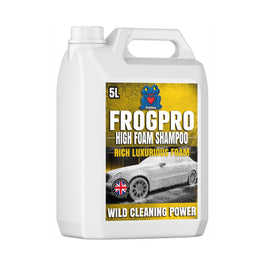
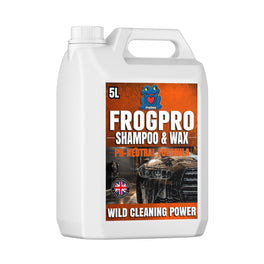
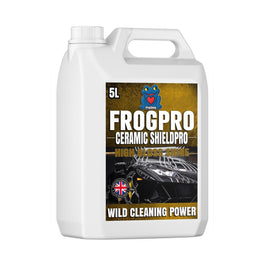
FrogChem can support this kind of practical set-up with professional wash chemicals, valeting accessories and equipment sourced from one place, making routine replenishment simpler for busy sites.
The goal is not to make every used car look concours-ready in half an hour. It is to give each vehicle the level of clean it needs, consistently, safely and without holding up the next handover. When the process is set, the team can spend less time fighting dirt and more time putting sale-ready cars where customers can see them.