If your paintwork still looks dull after a normal wash, traffic film is usually the reason. Knowing how to remove traffic film properly makes the difference between a vehicle that looks briefly rinsed and one that actually comes up clean, bright and ready for protection.
Traffic film is the stubborn road grime that builds up from diesel residue, oil, soot, salt, rubber, dust and general road dirt. It bonds to paint, glass, plastics and lower panels, especially in wet weather and on high-mileage vehicles. You will see it most on white vans, fleet cars, lorries and daily drivers that spend their lives on motorways, building sites or town roads.
A basic shampoo often is not enough to shift it. That is where the right pre-wash chemical, correct dilution and proper rinse process matter.
What traffic film actually is
Traffic film is not one single contaminant. It is a mix of greasy road fallout and fine dirt that clings tightly to exterior surfaces. Because part of it is oily and part of it is mineral-based, it can survive a quick jet wash and still leave the bodywork looking flat.
This is why drivers sometimes wash a car and wonder why the lower doors, tailgate and front bumper still look grubby. The dirt has not just settled on the surface. It has bonded to it.
For trade users, this matters because repeat washing without proper removal wastes time, chemical and labour. For home users, it matters because scrubbing at traffic film by hand increases the risk of marring and swirl marks.
How to remove traffic film without damaging paint
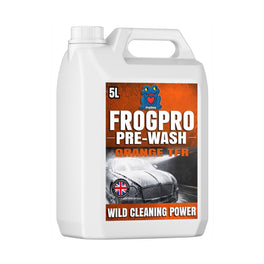
The safest way to remove traffic film is to loosen it chemically before making contact with the vehicle. In most cases, that means using a traffic film remover, often shortened to TFR, through a sprayer, pump-up unit or pressure washer system.
Start with a cool vehicle out of direct sun if possible. Hot panels can cause product to dry too quickly, which reduces cleaning performance and can leave marks. Apply the TFR from the bottom upwards so you get even coverage and can clearly see where the product has landed.
Allow a short dwell time so the chemical can break down the grime. This should be enough time to work, but not enough for the product to dry on the surface. That balance matters. Too little dwell and you waste the product. Too much, especially in warm conditions, and you create extra work.
After dwell, rinse thoroughly with pressure, again working methodically. A proper rinse does a lot of the heavy lifting. On lightly soiled vehicles, this may remove most of the contamination before your contact wash even begins.
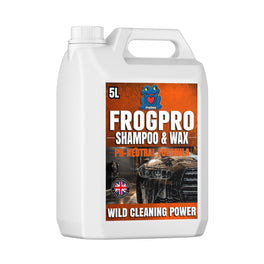
Once the pre-wash stage is complete, follow with a standard wash using a quality vehicle shampoo and a clean wash mitt. This removes whatever remains and leaves the surface ready for drying and protection.
Why pre-wash matters more than scrubbing
If you attack traffic film with a sponge and bucket straight away, you drag grit across the paint. That is where fine scratches come from. A decent pre-wash reduces contact, which is better for gloss levels and better for long-term paint condition.
For valeters and hand wash operators, this also improves speed. A vehicle that has been chemically pre-cleaned is faster to wash properly and easier to finish to a saleable standard.
Choosing the right traffic film remover
Not every vehicle needs the strongest product in the yard. That is where many people go wrong. They either use something too weak for the job or far stronger than necessary.
A standard TFR is ideal for regular maintenance washing on cars, vans and light commercial vehicles. It handles general road film well and works as an efficient first stage cleaner. Heavier-duty options suit fleet vehicles, plant, haulage and anything seeing serious road mileage or winter grime.
The right choice depends on soil level, surface type and how often the vehicle is washed. If a car is cleaned weekly and protected with wax or sealant, a milder dilution is usually enough. If a curtain-sider has been up and down the motorway all week in rain and spray, you will need more bite.
There is always a trade-off. Stronger product and stronger dilution can shift contamination faster, but overuse may strip existing protection and is not always necessary for lighter maintenance work. The best operators match the chemical strength to the job rather than reaching for maximum strength every time.
Dilution makes a big difference
One of the biggest factors in performance is dilution. A good TFR used at the wrong ratio can behave like a poor one. Too weak and it barely touches the film. Too strong and you waste chemical, increase cost per wash and may affect delicate finishes.
Always check the product guidance and adjust based on how dirty the vehicle really is. Trade buyers already know this from experience, but it is worth repeating because dilution control is where consistency comes from.
Best method for home users and trade washers
For home users, a pump sprayer or foam system is usually the most practical route. Apply the product evenly, give it time to work, and rinse thoroughly with a pressure washer. Then move to a two-bucket wash if you want the safest contact stage.
For trade setups, especially busy wash bays and valeting operations, a dedicated chemical sprayer or pressure washer dosing system makes more sense. It speeds up application, keeps dilution more consistent and makes repeat jobs easier to manage across different staff members.
If you are washing larger vehicles such as minibuses, lorries or fleet vans, work in sections. This stops product drying before rinse-off and gives you better control over coverage.
Areas where traffic film builds up most
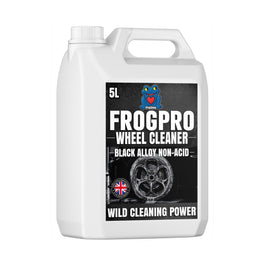
You will normally find the heaviest traffic film on the lower half of the vehicle. Sills, rear bumpers, tailgates, front ends, mirrors and number plate surrounds are common problem areas. Wheels and arches also trap greasy road contamination, although they usually need separate wheel cleaners as well.
Rear panels on hatchbacks and vans are often worse than people expect. Airflow pulls grime onto the back of the vehicle, and a quick rinse rarely shifts it all. If the rear still looks grey after washing, traffic film is the likely cause.
Glass can hold it too. Windscreens may develop a hazy layer that wipers smear rather than remove. A good pre-wash helps here, though stubborn residue may still need a dedicated glass cleaner afterwards.
Common mistakes when trying to remove traffic film
The first mistake is relying on shampoo alone. Standard wash shampoo is there to clean and lubricate during contact washing, not to break down heavy oily road film on its own.
The second is letting the product dry on the panel. This happens quickly in sun, wind or on warm paintwork. Good application technique matters just as much as product choice.
The third is using excessive strength on every job. More chemical is not always better. It can add cost, affect any wax or sealant on the paint and create unnecessary harshness for routine maintenance washes.
Another common issue is poor rinsing. If loosened traffic film is not fully flushed away, you can still end up dragging residue around in the wash stage.
Do you still need snow foam?
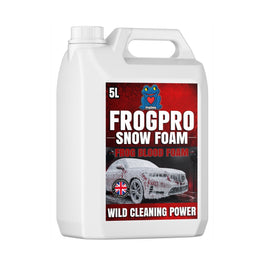
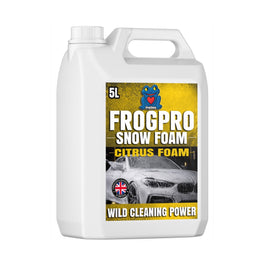
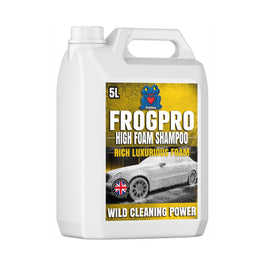
Sometimes yes, sometimes no. Snow foam and TFR do different jobs. Snow foam is useful for softening and lifting loose dirt, while a traffic film remover is designed to tackle the greasy bonded road layer that foam alone may leave behind.
On lightly soiled vehicles, a good foam may be enough as part of a careful wash routine. On winter-driven cars, commercial vehicles or neglected paintwork, TFR is usually the more effective tool. Some operators use both, but the order and combination depend on the soil level and the result required.
Aftercare once the film is gone
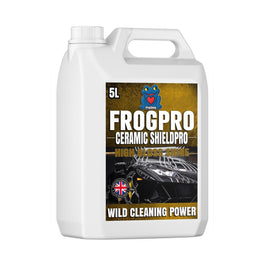
Once you have removed the traffic film and completed the contact wash, dry the vehicle properly and consider adding protection. Wax, sealant or a ceramic-based topper helps reduce how firmly grime bonds next time.
That matters in real terms. Protected paint is easier to wash, takes less effort to maintain and generally looks better between cleans. For businesses handling multiple vehicles, easier maintenance saves time over the week. For private owners, it just makes the next wash less of a chore.
If you clean vehicles regularly, keeping the right chemical and equipment on hand makes the whole process more consistent. That is why suppliers such as FrogChem are useful for buyers who need both wash chemicals and the kit to apply them properly.
Traffic film is part of everyday motoring, especially in Britain where wet roads, grit and diesel grime do not give paintwork much of a break. Remove it early, use the right product for the level of dirt, and your wash routine becomes faster, safer and far more effective.