Brake dust bakes on fast, especially if the car does regular motorway miles or spends its week stop-start around town. That is why knowing how to clean alloy wheels properly matters - not just for looks, but for protecting the finish and making routine washing quicker the next time around.
A rushed wheel clean usually causes one of two problems. Either the dirt is still there, hiding in the barrel and around the bolts, or the product is too aggressive for the finish and leaves the wheel worse off. The right approach is simpler than many people think. Use the correct cleaner, the right tools, and work methodically while the wheels are cool.
What you need before you start
You do not need a huge detailing setup to get strong results, but a few basics make a noticeable difference. A dedicated alloy wheel cleaner is the main thing. From there, add a soft wheel brush, a smaller detailing brush for tight areas, a wash mitt or microfibre cloth, a bucket of clean water, and a pressure washer or hose if you have one available.
If the wheels are heavily soiled, especially on fleets, dealership stock, or vehicles that have gone too long between washes, a stronger cleaner may save time. That said, stronger is not always better. Acid-based or very aggressive products can be effective on neglected wheels, but they are not the default choice for every finish. Painted, lacquered, diamond-cut and bare metal wheels all respond differently, so matching the chemical to the wheel matters.
Gloves are worth wearing as well. Wheel cleaners are designed to break down grime, iron fallout and road film, and that is not something you want sitting on your skin.
How to clean alloy wheels without damaging them
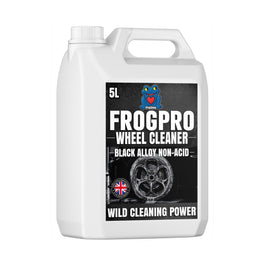
The safest way to clean alloys is to start with the least aggressive method that will still do the job. If you are washing a regularly maintained private car, a pH-balanced or non-acid wheel cleaner is usually the sensible option. If you are dealing with baked-on brake dust on commercial vehicles or neglected stock, you may need more bite, but only after checking the wheel condition first.
Start by making sure the wheels are cool. Cleaning hot alloys is a common mistake because chemicals dry too quickly and can stain or mark the finish. If the vehicle has just been driven, give it time.
Rinse the wheel thoroughly before applying any product. This removes loose grit and helps reduce the chance of dragging contamination across the surface while brushing. A decent rinse also exposes the areas that need the most attention - usually the inner barrel, behind the spokes and around the wheel nuts.
Spray your wheel cleaner evenly across the face and, where possible, into the barrel. Let it dwell for the time recommended on the label. Do not guess and do not leave it hanging around because more time does not always mean more cleaning power. On some finishes, over-dwelling is where problems begin.
Agitate with a soft brush first on the face, then move into tighter sections with a smaller brush. If the wheels have intricate spoke patterns, take your time. That is where product choice and brush quality really pay off. Cheap, stiff brushes can scratch delicate finishes, especially gloss black or polished alloys.
Once agitated, rinse thoroughly. If the wheel still looks dirty, repeat the process rather than reaching straight for a harsher chemical. Two safe passes are better than one aggressive pass that risks the finish.
Dealing with heavy brake dust and stubborn contamination
Some wheels need more than a standard wash. If brake dust has bonded to the surface, particularly on the front wheels, a fallout remover or iron-reactive wheel cleaner can help lift contamination that normal cleaners leave behind. These products are especially useful for darker staining and embedded particles you can feel but not easily remove.
This is where trade users often save time by choosing products based on the actual condition of the vehicle, not just using the same cleaner on every job. A maintenance wash product is ideal for regular upkeep. A reactive decontamination product makes more sense when the wheel has visible build-up. It is a more efficient way to work, particularly when throughput matters.
Tyres are worth addressing at the same time, but keep your tools separate. A dedicated tyre brush and cleaner will stop old dressing, browning and road grime contaminating your wheel tools. It is a small step that helps keep the alloy finish cleaner and reduces the risk of smearing grime back onto the rim.
Common mistakes when cleaning alloy wheels
If you want a better result, avoid the shortcuts that create extra work. Using the same mitt on paint and wheels is one of the worst offenders. Wheels carry heavier contamination, and that grit has no business going near bodywork.
Another common mistake is cleaning the wheels last. By that stage, the cleaner is tired, the wash water is dirty, and most people rush. For a proper wash routine, wheels first makes far more sense. It keeps brake dust and splash-off away from freshly cleaned paintwork.
Household cleaners are another poor substitute. They may cut through dirt, but they are not formulated for wheel finishes and can strip protection or cause marking over time. Proper automotive wheel chemicals are built for the job.
Then there is over-scrubbing. If a wheel needs brute force to come clean, the chemical or the process is wrong. Let the product work, use suitable agitation, and repeat where needed.
Should you use acid wheel cleaner?
It depends on the wheel and the condition. In trade environments, acid wheel cleaner can still have a place because it is fast and effective on heavily contaminated, durable finishes. For hand car washes, valeting teams and operators handling large volumes, that speed matters.
But it is not the right answer for every set of alloys. If the wheel is damaged, chipped, uncoated, polished or diamond-cut, an aggressive acid product can create expensive problems. For most retail users and for well-kept wheels, a safer non-acid or pH-balanced cleaner is the better fit.
If there is any doubt about the finish, err on the side of caution. Cleaning safely is always cheaper than refurbishing a wheel.
Protecting wheels after cleaning
Once the alloy is clean and dry, adding protection makes the next wash easier. A wheel sealant, wax or ceramic-based protective product can help reduce how strongly brake dust sticks to the surface. That means faster maintenance washes and less need for repeated heavy chemical use.
Protection matters even more on vehicles that cover serious mileage. Driving schools, dealership forecourts, vans, and lorries operating through poor weather all build contamination quickly. A protected wheel is simply easier to keep presentable.
Even a basic protective layer can make a practical difference. The finish tends to stay cleaner for longer, rinsing becomes easier, and routine agitation is reduced. That saves time whether you are washing one car on a driveway or managing a busy valeting setup.
How often should you clean alloy wheels?
For everyday road use, cleaning the wheels every wash is the best habit. It stops brake dust building up to the point where stronger chemicals are needed. On performance cars or heavier vehicles that generate more brake dust, you may need to clean them more thoroughly and more often.
Season also plays a part. Winter driving adds salt, road film and grime, and all of that clings to alloys quickly. During colder months, regular maintenance is less about chasing a perfect shine and more about stopping contamination sitting on the wheel for weeks.
If you are managing customer vehicles, consistency matters more than occasional deep cleans. Frequent, controlled cleaning with the right products keeps the standard high and avoids unnecessary wear.
A practical routine that works
If you want a reliable answer to how to clean alloy wheels, keep it simple. Clean them when cool, rinse first, use a wheel cleaner suited to the finish, agitate with proper brushes, and rinse thoroughly. Escalate only when the contamination calls for it.
That approach works for home users and trade buyers alike because it is based on results, not gimmicks. Good wheel care is really about choosing the right chemical for the condition in front of you and not creating damage while chasing a finish.
When wheels are cleaned properly and protected regularly, the whole vehicle looks better with less effort. That is the kind of routine worth keeping.