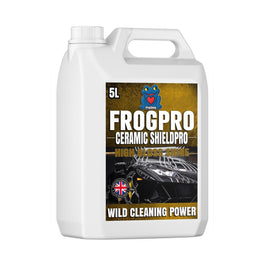
If you have ever watched a coating go patchy on a black bonnet, you already know this job is won or lost before the bottle is opened. Anyone searching for how to apply ceramic coating usually wants the same thing - strong gloss, proper water behaviour and protection that lasts. The catch is that ceramic coating is far less forgiving than wax or spray sealant, so prep and timing matter just as much as the product itself.
A good coating can add real durability and make wash maintenance easier, whether you are detailing customer vehicles, prepping dealership stock or protecting your own car at home. But it only performs properly when the paint is clean, corrected if needed and completely free from residue. If the base is poor, the coating simply locks that in.
What ceramic coating actually needs to bond
Ceramic coating forms a hard, chemically resistant layer over the clear coat. It is not a magic fix for swirls, oxidation or poor washing habits. Think of it as a protective top layer that works best on paint that is already in strong condition.
That is why surface preparation takes most of the job. Any leftover traffic film, polish oils, wax, silicone or water spotting can interfere with bonding. In trade environments, this is the step that gets rushed when the workshop is busy. It is also the step that most often leads to streaking, premature failure or uneven performance.
How to apply ceramic coating: start with full decontamination
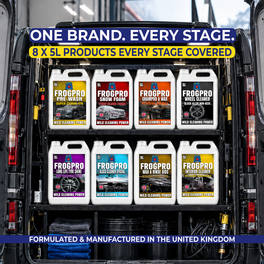
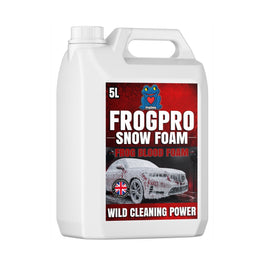
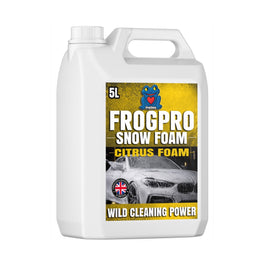
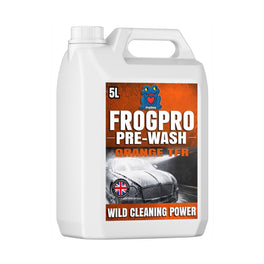
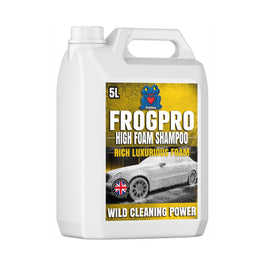
Before you apply anything, wash the vehicle properly. Use a pre-wash or snow foam to soften grime, then follow with a safe contact wash using a quality shampoo. Rinse thoroughly and dry the car fully.
After the wash, decontaminate the paint. If there is fallout, tar or bonded contamination on the surface, the coating will sit over it instead of bonding to paint. Use an iron fallout remover where needed, a tar remover on lower panels, and clay the paint if it still feels rough. On regularly used vehicles, especially white vans, black cars and motorway-driven fleet vehicles, this stage usually reveals far more contamination than expected.
Once the paint is clean, assess the finish under proper lighting. If the vehicle has swirls, haze or light scratches, machine polishing is worth doing before coating. Ceramic coating will not hide defects. In fact, on darker colours it often makes them more obvious because the surface becomes glossier and sharper.
Correct the paint if the finish needs it
Not every vehicle needs multi-stage correction. A new car with light dealer marring may only need a finishing polish. A used vehicle may need a heavier cut followed by refinement. The point is not perfection for its own sake. It is to create a clean, level surface so the coating enhances the finish instead of preserving defects.
This is where trade judgement matters. If you are working on volume preparation, you may decide that a single-stage polish offers the best balance between labour time and result. On an enthusiast-owned car, spending longer on correction may make more sense. Ceramic coating suits both, but the end result depends on what sits underneath it.
Panel wipe is not optional
After polishing, wipe the paint down with a dedicated panel preparation product. This removes polishing oils and any residue left on the surface. If you skip this, the coating may appear to apply well but fail early.
Work panel by panel and use clean microfibres. Do not use tired cloths that have been through dressings or quick detailers. At this point, the paint should feel squeaky clean and look clear under inspection lights.
Keep the environment under control as well. Ideally, apply ceramic coating indoors, away from direct sunlight, wind and damp conditions. A cool, dry space gives you more control over flash time and levelling. If the panel is hot, the coating may flash too quickly and become difficult to remove cleanly.
How to apply ceramic coating without high spots
Read the specific instructions on the bottle first because flash times vary between products. Some coatings want immediate levelling, while others need a short wait before wipe-off. The basic method is similar across most systems.
Prime the applicator with a small amount of coating, then work on one small section at a time. A section roughly half a bonnet or one door section is usually manageable, though on warm days smaller is safer. Apply in a crosshatch pattern - side to side, then up and down - so coverage stays even.
Watch the surface closely. As the coating begins to flash, it will change appearance slightly, often looking rainbowed, oily or lightly hazed depending on the formula. That is your cue to level it with one clean microfibre, then buff lightly with a second cloth to remove any remaining residue.
Do not overload the applicator. Too much product makes removal harder and increases the chance of high spots. Too little can leave patchy coverage. After a panel or two, you will feel the right pace.
High spots are the main problem to avoid. These are darker or smeared-looking patches where excess coating has been left behind. On light colours they can be subtle at first. On black and grey paint, they usually show under inspection lighting once the coating starts to cure. Catch them early and they can often be levelled straight away. Leave them too long and you may need to machine polish the area and recoat.
Working around trims, glass and wheels
Many ceramic coatings can also be used on gloss trim, painted plastics, wheels or glass, but not all of them. Check compatibility first rather than assuming one bottle does everything.
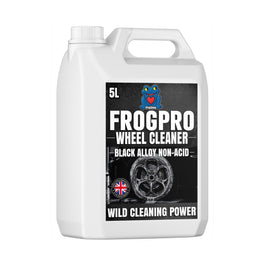
Paintwork is usually the priority, but wheels often benefit most in day-to-day use because brake dust and road grime release more easily afterwards. The same rule applies, though - clean and decontaminate first. Applying coating over baked-on contamination around wheel nuts or inside barrels wastes product and limits durability.
Textured trim needs caution. Some coatings suit exterior plastics well, while others can leave uneven darkening if overapplied. If you are unsure, test a small area first.
Cure time matters more than people think
Once the coating is on, keep the vehicle dry for the period recommended by the manufacturer. That may be several hours for initial cure and longer before the first wash. Moisture too early in the process can interfere with bonding and leave marks.
This is where realistic planning matters. If rain is due, outdoor application is a gamble. If the car has to leave the same day, choose your product accordingly or book the work when proper curing time is possible. For trade users, setting customer expectations here avoids complaints later.
Some coatings allow a second layer after a set period. This can improve uniformity and, with certain systems, add durability. It is not always necessary. One properly applied layer is better than two rushed ones.
Common mistakes when learning how to apply ceramic coating
The biggest mistake is poor prep. The second is trying to work too quickly on large sections. Ceramic coating rewards controlled application, not speed for the sake of it.
Another common issue is bad towel management. If your levelling cloth becomes overloaded, swap it out. Smearing spent product across fresh coating usually creates more work. Lighting is equally important. If you cannot see the flash or spot residue clearly, you are working blind.
Temperature and humidity also change the job. In warmer conditions, flash times shorten and smaller sections are safer. In cooler conditions, the coating may sit longer before wipe-off. There is no single timing rule that covers every workshop and every day, which is why following the product's guidance and watching the panel closely matters.
Is ceramic coating worth doing yourself?
It depends on the vehicle, the finish you expect and how comfortable you are with paint correction. For a well-kept car in decent condition, a careful DIY application can produce strong results. For soft, dark paint that needs machine correction first, or for high-value vehicles where mistakes are costly, professional application may be the better call.
That said, many enthusiasts and trade users get excellent results by sticking to process. Good wash chemicals, proper decontamination, reliable microfibres, suitable applicators and the right coating for the environment make the job far more straightforward. That practical, system-based approach is exactly why one-stop detailing supply matters - you are less likely to compromise with mismatched products halfway through a coating job.
Ceramic coating is not difficult because it is mysterious. It is difficult because it punishes shortcuts. Give the paint the prep it deserves, apply with control, and the finish will repay you every time you wash the car.