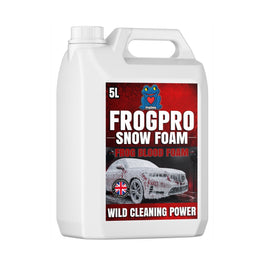
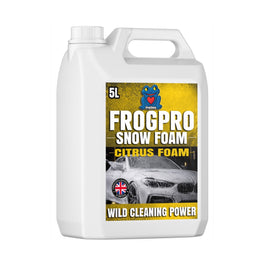
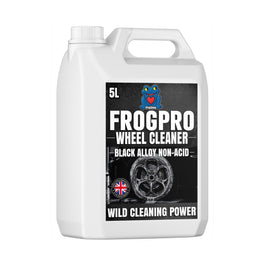
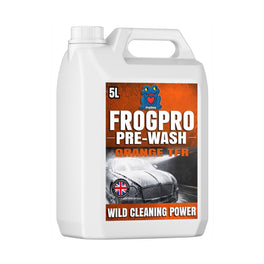
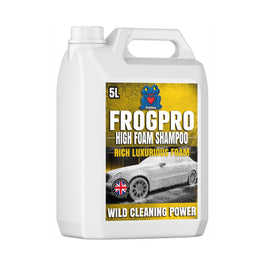
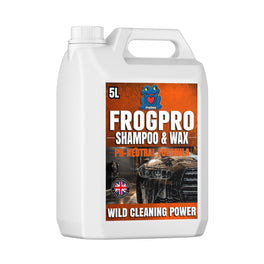
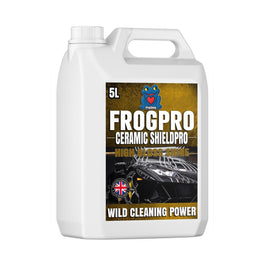
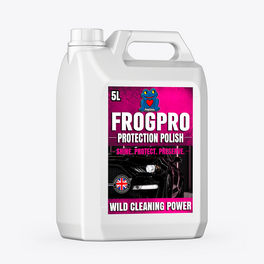
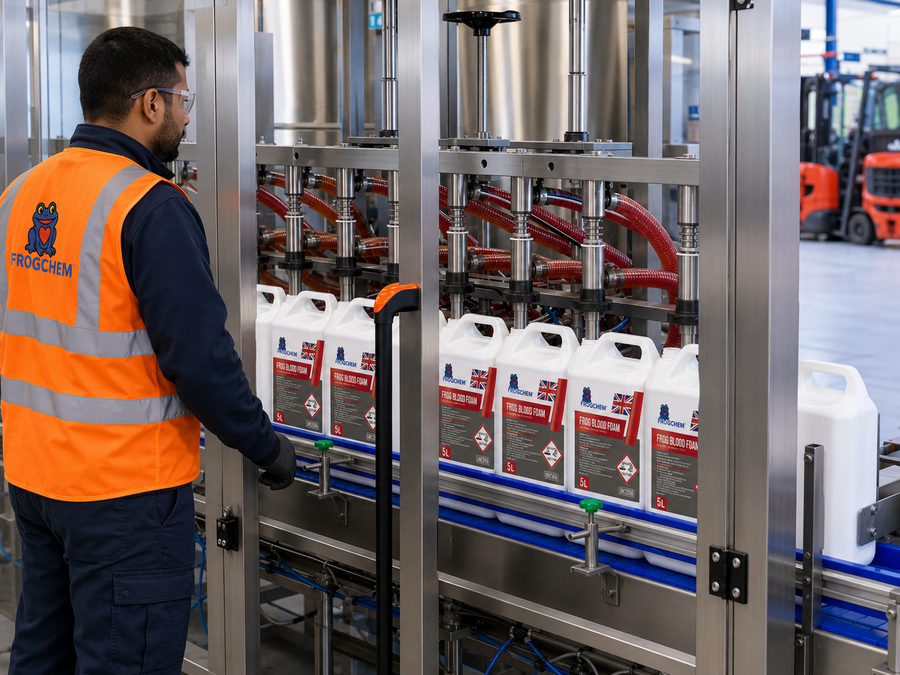
A busy wash bay can lose money in small, repeated ways: an over-poured traffic film remover, five minutes spent chasing a booking, a vacuum left running, or a customer who never receives a reminder to return. Detailing automation is about removing those repeatable delays without removing the skilled judgement that makes a vehicle look properly finished.
For hand car washes, valeting businesses, dealerships and serious home detailers, the best automation is rarely the flashiest. It is the equipment, process or software that delivers the same standard every time, reduces waste and leaves more time for the parts of the job customers actually notice.
What detailing automation should do
Automation in detailing can mean several things. At the physical end, it includes chemical dosing systems, automatic wash equipment, timed pumps, vehicle wash bays and touchless drying systems. On the operational side, it can cover online bookings, payment links, job reminders, stock alerts and customer follow-up.
The common purpose is consistency. If a shampoo mix is correct on every wash, an operator is not guessing or wasting concentrate. If bookings come with vehicle details and service choices already recorded, staff do not need to chase the basics while a queue builds. The result should be a cleaner workflow, not a more complicated one.
That distinction matters. A high-volume hand car wash may benefit immediately from controlled chemical dilution and payment automation. A premium correction and ceramic coating studio may gain more from structured inspections, booking deposits and aftercare reminders. The service, site layout and volume of work should decide the investment.
Start with the bottleneck, not the machine
Before buying equipment, look at where time and product are being lost over a normal week. Track the journey from arrival to handover. Are staff waiting for a pressure washer? Are chemicals mixed in buckets by eye? Do customers arrive without appointments and expect a full valet during the lunchtime rush? Does stock run out halfway through a Saturday?
One useful measure is labour minutes per vehicle. Another is chemical use per vehicle type. Neither has to be perfect at first, but a rough baseline makes it easier to tell whether a change has paid for itself. A dosing unit that cuts waste is valuable only if it is correctly specified, fitted and kept supplied with compatible products.
Do not automate a poor process. If the pre-wash sequence is unclear, fitting more pumps will simply make inconsistent work happen faster. Set a practical standard first: safe product dilution, dwell time, rinse order, wash method, drying process and final checks. Once staff can follow that standard, automation can make it repeatable.
Chemical dosing is often the quickest win
Concentrated cleaners are designed to be diluted accurately. When dilution is done by hand, it varies between operators and shifts. Too weak, and the product may not shift road film effectively. Too strong, and margins disappear, surfaces may be exposed to unnecessary chemical strength, and rinsing becomes harder work.
A proportioning or dosing system supplies a controlled mix at the point of use. This is particularly useful for traffic film remover, snow foam, shampoo and wheel-cleaning stages where usage is frequent. It can improve speed because operators are not stopping to measure, pour and remix bottles throughout the day.
There are trade-offs. A system needs suitable water supply, space, correctly labelled lines and routine checks. Staff still need to understand which chemical is in each line and where it is safe to use it. Automation does not make a strong alkaline cleaner suitable for every wheel finish, nor does it replace proper safety data, PPE and surface testing.
For a smaller setup, clearly marked pre-diluted sprayers can be the more sensible first step. The gain comes from standardisation, even if the setup is not fully automated. Scale up when usage justifies the hardware.
Keep chemical choice and equipment compatible
The chemical, sprayer, pump, lance and seals must work together. Some products need specific dilution ratios, while thicker foams may require equipment that can handle their viscosity and produce the desired cling. Using the wrong fittings or leaving chemicals in equipment for too long can lead to poor performance and unnecessary replacement costs.
Build simple maintenance into the routine. Flush equipment where required, inspect hoses and connectors, check filters, and keep concentrates stored correctly. A dosing system is there to save time, not create a breakdown at peak trading hours.
Automate high-volume wash stages carefully
Automatic rollover systems, conveyor tunnels and touchless wash equipment can process vehicles quickly and consistently. For forecourts, fleet operators and high-throughput sites, that capacity can be commercially significant. Timed wash programmes also make it easier to offer clear packages, from a basic exterior wash to a more involved service with foam, wheel treatment, rinse aid and drying.
However, speed is not the same as detailing. Automated brushes, chemicals and drying systems need to be set up with the condition of the vehicles you see in mind. Very dirty vans, lorries, 4x4s and work vehicles may need a proper manual pre-wash. Delicate paintwork, poor previous repairs, damaged trim and specialist finishes need an operator’s eye.
The strongest model is often a hybrid one. Use automation for repetitive, high-volume stages, then direct trained staff towards wheel faces, door shuts, drying, interior finishing and inspection. Customers remember the missed areas, not the fact that the first rinse was fast.
Use software to protect the diary and the margin
Operational automation does not have to involve a wash machine. A straightforward booking system can prevent double-booking, collect deposits for longer services and prompt customers to choose the right package before arrival. For mobile valeters, it can also help group jobs by area and reduce wasted travelling time.
Customer records are equally useful when kept simple. Vehicle registration, paint protection history, preferred service and last visit date can help staff provide a more professional experience. A reminder after a ceramic coating, seasonal valet or maintenance wash can bring customers back at the point they are most likely to need you.
Keep messages useful rather than constant. A customer who has had a coating applied may appreciate an aftercare reminder and a maintenance booking prompt. Someone who used a quick wash service every few months does not need a stream of premium-detailing offers. Good automation should feel organised, not intrusive.
Stock control deserves the same attention. Set reorder points for the products that stop work when they run out: pre-wash, shampoo, wheel cleaner, glass cleaner, microfibres, gloves and vacuum consumables. Buying in sensible volume can reduce cost and disruption, but only if storage is dry, secure and suited to the products being held.
Build checks into the automated process
The risk with automation is complacency. When a process usually works, it is easy to stop checking it. That is when an empty chemical drum, blocked foam lance or incorrect programme setting can affect a full day’s work.
Use a short opening check and a final vehicle check. At the start of the shift, confirm fluid levels, dilution settings, pressure, hoses, nozzles and payment or booking systems. Before handover, inspect paintwork, glass, wheels, tyres, trims and interior touchpoints under decent lighting. These checks take minutes and protect the standard automation is supposed to support.
Training remains essential. New staff should know why the workflow is arranged in a certain order, not merely which button to press. They need to recognise when to stop an automated stage, when to use a different product, and when a vehicle needs extra care. That judgement is a service advantage.
A practical way to introduce detailing automation
Start with one measurable issue for 30 days. It might be excess chemical consumption, too many missed appointments, long queues at payment or inconsistent snow foam application. Choose one change, train the team, measure the result and adjust before adding another layer.
For many operators, the sensible order is standardised products and labelled equipment first, controlled dilution next, then booking and customer communication. Larger wash equipment makes sense when there is sustained vehicle volume, sufficient site infrastructure and a clear plan for servicing, water use and downtime.
FrogChem customers often need both sides of the equation: dependable cleaning chemicals for daily work and equipment that can deliver them efficiently. The right setup is not necessarily the most automated one. It is the one that keeps vehicles moving, controls product use and still produces a finish worth paying for.
The best test is simple: if automation gives your team more time to inspect, finish and look after the customer, it is doing the job properly.