A weak wash bay usually gives itself away in the first thirty seconds. Pressure drops under load, foam comes out thin, rinse times drag on, and staff start compensating with more chemical and more labour. In many cases, the issue is not the lance, the hose or the operator. It is the car wash pump system behind the job.
For hand car washes, valeting bays, dealerships and serious home users, the pump system is what turns water and chemical into a repeatable result. Get it right and you save time, improve finish quality and reduce wear on everything connected to it. Get it wrong and even good chemicals struggle to perform as they should.
What a car wash pump system actually does
At a basic level, a car wash pump system moves water at the pressure and flow needed for washing. In a more complete setup, it also supports chemical dosing, foam application, rinse performance and consistent delivery across one bay or several. That matters because cleaning is not just about pressure. It is about matching pressure, flow rate and application method to the vehicle, soil level and working volume.
A small valeting unit doing a handful of cars a day has very different demands from a busy site washing vans and 4x4s back to back. The same goes for a home detailer who wants reliable snow foam performance without overbuying equipment that sits idle most of the week. The best system is not always the biggest one. It is the one sized properly for the workload.
Why the pump matters more than people think
When buyers look at wash equipment, they often focus first on pressure washer branding, lance accessories or the chemicals they already know. Those all matter, but the pump is where daily performance starts. If the system cannot maintain stable pressure and flow, everything downstream becomes harder work.
Low-spec pumps often show their limits during peak use. Motors run hotter, pressure fluctuates, seals wear faster and operators spend longer on each vehicle. On a trade site, that means reduced throughput. On a home setup, it means disappointing results and more fiddling than washing.
There is also a chemical cost angle. If your pump system is not delivering enough force for proper pre-rinse or final rinse stages, users often compensate by laying on more traffic film remover, shampoo or foam than necessary. That raises product spend without fixing the real bottleneck.
Car wash pump system basics: pressure and flow
Pressure gets the attention because it sounds impressive, but flow is just as important. Pressure helps loosen and lift contamination. Flow helps carry it away. A system with high pressure and poor flow can feel sharp at the nozzle but still be slow in real use.
For lighter domestic washing, moderate pressure with decent flow is usually enough. For commercial users dealing with heavier road film, larger vehicles and nonstop operation, stronger output and better duty capability become far more important. If you wash lorries, plant, minibuses or fleet vehicles, chasing headline pressure alone can be a mistake. You need enough water movement to rinse quickly and keep jobs moving.
This is where trade buyers usually benefit from thinking beyond a single machine specification. Consider how many hours per day the unit will run, whether more than one operator will draw from the system, and how often it will handle dirty lower panels, wheel arches and winter grime. Those factors tell you more than a brochure number.
Matching the system to the job
The right setup depends on how the wash process works in practice. A mobile valeter may prioritise portability, compact footprint and easy access to water supply. A fixed hand wash may need stronger duty cycles and better resilience to constant start-stop use. A dealership prep bay may want a tidy, dependable system that is simple for multiple staff to use without much training.
If your work is mostly maintenance washing on relatively clean vehicles, you can often keep the setup straightforward. If you regularly tackle neglected paintwork, commercial fleets or agricultural grime, the pump system needs more headroom. Buying too close to your minimum requirement tends to cost more later through downtime, slower work and premature replacement.
Home users should take the same practical view. There is no point buying industrial-scale output for one family car on a Sunday, but going too small can leave you with weak foam, poor rinsing and longer wash times. A good domestic system should feel controlled, reliable and compatible with the products you actually use.
Key parts that affect performance
Pump quality is not just about motor power. The build of the pump head, seals, valves and fittings all affects lifespan and consistency. Better components generally mean better heat management, steadier output and less maintenance trouble over time.
The motor matters too. If a unit is expected to run repeatedly throughout the day, durability and duty rating become more important than headline performance figures. Commercial operators should be especially careful here. A machine that works well for occasional use may not cope with a busy forecourt or hand wash environment.
Hose length and internal diameter can also change the feel of the system. Long runs, poor fittings or undersized plumbing can create pressure loss that users blame on the machine itself. Water supply quality is another common issue. An underfed system cannot perform properly, however strong the pump looks on paper.
Chemical application and compatibility
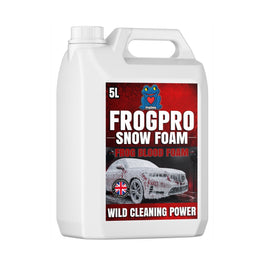
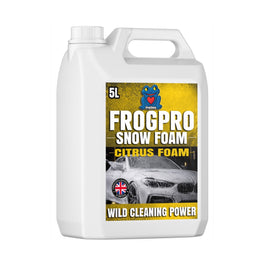
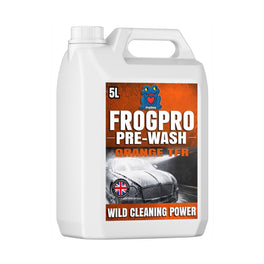
A car wash pump system is rarely working alone. It sits alongside pre-wash chemicals, foaming systems, shampoos and rinse stages, so compatibility matters. If you use snow foam, traffic film remover or specialist detergents, the setup should support the application method properly rather than forcing awkward workarounds.
This is especially important on trade sites where different staff use the same bay. If chemical draw is inconsistent or the system is fiddly to prime and reset, you lose time and get uneven results between vehicles. Consistency matters because customers notice when one car leaves with a sharper finish than the next.
It is also worth checking material compatibility with the products you run regularly. Stronger cleaners, if used incorrectly or left to dwell in unsuitable parts of the system, can shorten component life. A sensible setup combines the right pump, the right accessories and chemicals used at the correct dilution.
Common mistakes when buying a system
The first mistake is buying on maximum pressure alone. That figure is easy to market, but in daily use it tells only part of the story. Flow rate, duty cycle and reliability usually decide whether the machine earns its keep.
The second is underestimating workload. A system that seems fine for current demand can become a problem as the business gets busier. If your site is already stretching turnaround times, buying only for today's volume may be shortsighted.
The third is ignoring installation reality. Power supply, water feed, hose routing and available space all affect what will work well. A more powerful unit in the wrong setup can perform worse than a correctly matched smaller one.
The fourth is treating chemicals and equipment as separate decisions. They are connected. Foam quality, dwell behaviour and rinsing efficiency all depend on how the system applies product and water.
Maintenance is part of performance
Even a strong pump system will let you down if basic maintenance gets skipped. Filters need checking, fittings need tightening, seals wear, and hoses take abuse in busy wash areas. Small leaks and pressure losses often build gradually, so operators adapt without realising how much performance has been lost.
For commercial users, routine checks are cheaper than reactive repairs. A short maintenance habit can save a day of downtime later. For home users, proper storage and winter protection matter just as much. Frost damage and neglected seals can ruin a pump long before its time.
If a system starts surging, losing pressure or making unusual noise, it is usually worth dealing with it early. Pumps rarely improve by being ignored.
When to upgrade your car wash pump system
If wash times are creeping up, chemical usage is rising, or staff are regularly complaining about weak pressure, your current setup may be undersized or worn out. The same applies if your business has added larger vehicles, extra bays or more daily volume since the unit was installed.
An upgrade also makes sense when you want better consistency. Reliable foam laydown, stronger rinse performance and less operator compensation can improve both finish quality and productivity. For many buyers, that is where better equipment pays for itself.
Suppliers that understand both chemicals and hardware can usually give more useful advice than those selling pumps in isolation. That is one reason buyers often prefer a practical one-stop source such as FrogChem, where equipment choice can be considered alongside the products used every day.
The best car wash setup is the one that keeps pace with your work without wasting water, chemical or labour. If the system supports the process properly, every stage after that becomes easier - and that is what good equipment should do.