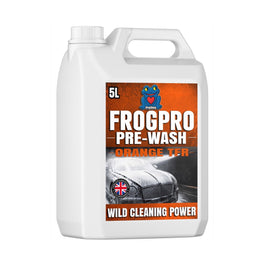
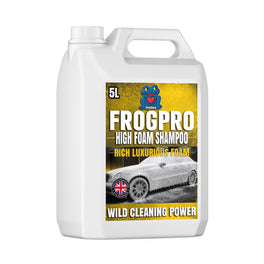
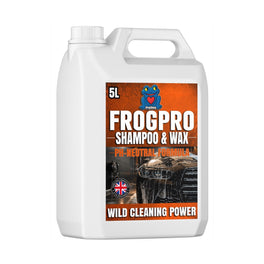
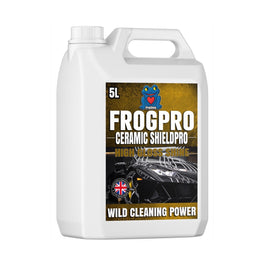
A workshop floor tells you quickly whether the cleaning routine is working. Oil stains spread from a service bay into the customer area, tyre marks build up around ramps, and fine brake dust settles on benches, tools and vehicle panels. The right workshop cleaners do more than make the place look presentable. They help keep working areas safer, protect equipment and prevent grime being transferred onto a freshly valeted vehicle.
For a busy garage, valeting unit, bodyshop or hand car wash, the best approach is not one powerful chemical for every job. It is a simple, repeatable system: the right product for the soil, correct dilution, suitable equipment and a routine that fits around the day’s work.
Why Workshop Cleaners Need to Be Task-Specific
Workshop dirt is rarely just dirt. A typical unit may deal with leaked oil, lubricants, tyre residue, road film, brake dust, adhesive, traffic grime and general dust in the same shift. These contaminants respond differently to cleaning chemicals, so choosing by label claims alone can waste product, labour and water.
A water-based degreaser is usually the practical starting point for oily floors, engine bays, machinery guards and workbenches. It is designed to break down petroleum-based contamination so it can be lifted and rinsed away. For day-to-day marks, a general-purpose cleaner may be enough. For heavy oil deposits around ramps or workshop entrances, a stronger degreasing product and some mechanical agitation will normally be needed.
The trade-off is strength versus surface suitability. A very strong alkaline cleaner can make light work of ingrained grease, but it may not be the best choice for bare aluminium, sensitive painted surfaces or areas where frequent use could dull finishes. Always check the product directions and test a discreet area where there is any doubt.
Build Your Cleaning System Around the Work Areas
Trying to clean every part of a workshop in the same way slows the team down. Divide the site into zones and give each one a realistic standard. This makes stock control easier too, because you know which products are actually being used and where.
Floors, ramps and entrances
Floors are the priority for both appearance and safety. Oil, coolant and wet tyre residue create slip risks, while dust and debris can be carried into offices, customer waiting areas and vehicle interiors.
Sweep or vacuum loose dirt before applying a cleaner. If a degreaser is sprayed directly onto a dusty floor, much of its strength is spent wetting surface debris rather than attacking the oil beneath. Apply the chosen floor cleaner at the correct dilution, allow a short dwell time, agitate stubborn areas with a stiff brush or scrubber, then rinse or recover the dirty solution.
Avoid over-wetting the floor during trading hours. A clean but slippery bay is not a finished job. Use controlled quantities of solution, good drainage and clear warning signage while the area dries. For sites handling regular oil spills, keep absorbent granules or pads close to the work area so fresh contamination can be contained before it spreads.
Benches, tools and machinery
Workbenches quickly collect grease, metal filings, dust and chemical residue. A suitable general-purpose cleaner or mild degreaser works well for routine wipe-downs, particularly when paired with durable microfibre cloths or disposable workshop wipes.
For hand tools, avoid soaking items unless the product is intended for that use and the tools can be thoroughly dried afterwards. Moisture left around joints, sockets and moving parts invites corrosion. Spray the cloth rather than the tool when working near electrical equipment, switches or delicate components.
Machinery needs a little more caution. Cleaning around pressure washers, compressors, extraction units and vehicle lifts should not force water or chemical into electrical connections, bearings or vents. Use a controlled spray, brush and cloth method, then follow the equipment manufacturer’s maintenance advice.
Vehicle preparation and wash areas
The workshop and the valeting bay should be treated as separate cleaning environments. A floor degreaser that is ideal around a lift is not automatically suitable for paintwork, trim or polished alloy wheels.
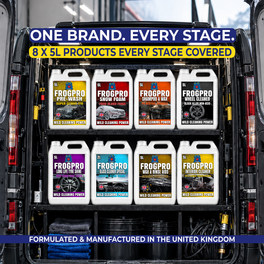
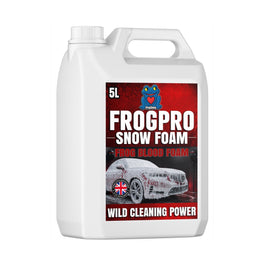
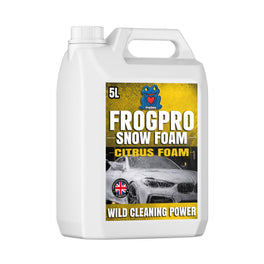
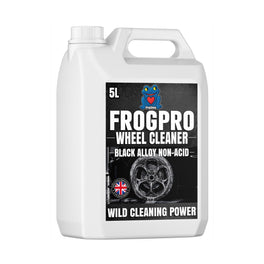
Keep traffic film removers, snow foams, shampoos, wheel cleaners and interior cleaners clearly separated from heavy workshop chemicals. This reduces the risk of grabbing the wrong bottle and protects the quality of finished vehicles. Colour-coded trigger heads, labelled dilution bottles and dedicated cloths for each area are simple measures that prevent expensive mistakes.
If the same staff move between mechanical work and valeting, make hand cleaning and glove changes part of the process. Grease transferred from a technician’s gloves onto light upholstery or headlining is far harder to remove than it is to prevent.
Dilution Is Where Value Is Won or Lost
Concentrated cleaners can offer excellent cost per use, but only when they are diluted accurately. Overdosing does not always improve results. It can leave residues, increase rinsing time, create unnecessary foam and raise chemical spend without solving the underlying problem.
Under-dosing is just as frustrating. Staff may assume a cleaner is ineffective when the real issue is that the solution is too weak for the job. Set clear dilution ratios for regular tasks, using labelled bottles, measuring caps or proportioning equipment. A ready-to-use bottle has its place for quick spot cleaning, but high-volume floor and wash work is usually more economical with concentrate and controlled dilution.
Water quality can affect performance as well. Hard water may reduce foam and leave mineral deposits, especially around wash bays. Where this is a recurring issue, review the chemical choice, rinse process and water treatment rather than simply adding more product.
Equipment Makes Cleaning Faster and More Consistent
A good chemical performs better when it is applied properly. Trigger sprays are useful for benches, small spills and targeted cleaning. Pump sprayers cover larger areas more quickly, while foam sprayers can improve contact time on vertical surfaces such as machinery casings and walls.
For floors, a stiff deck brush remains useful for edges and stubborn patches, but a wet vacuum, scrubber dryer or pressure washer can make a major difference in a larger operation. The right machine depends on the floor finish, drainage, available space and how often vehicles or people are moving through the area.
Pressure alone is not a substitute for chemistry. Blasting an oil-stained floor with water can spread contamination, force it into drains and leave a slick residue behind. Apply an appropriate degreaser first, allow it to work, agitate where needed and use pressure as the rinse stage. Where wash water enters drainage systems, follow site procedures and local requirements for disposal and interceptors.
Safe Use Protects Staff, Surfaces and Stock
Professional cleaning products are designed to work hard, which means they should be handled properly. Keep chemicals in their original, labelled containers where possible, store them upright and away from direct heat, and make sure safety data is available to staff.
Personal protective equipment should match the task. Gloves and eye protection are sensible when decanting concentrates or using stronger alkaline and acidic products. Good ventilation matters when cleaning enclosed bays, stores or vehicle interiors. Never mix chemicals, particularly acids and alkaline cleaners, and do not reuse an unlabelled bottle for a different product.
A tidy chemical store saves time as well as reducing risk. Separate vehicle-safe detailing products from workshop degreasers, keep spray heads clean, and rotate stock so older containers are used first. This is particularly useful for businesses buying in volume, where half-used bottles can otherwise gather dust at the back of a shelf.
A Routine Your Team Will Actually Follow
The most effective cleaning plan is one that fits the working day. A full floor scrub at 10am may be unrealistic in a busy tyre bay, but a quick spill response, end-of-shift sweep and scheduled deeper clean can keep standards high without disrupting jobs.
Daily tasks should cover fresh spills, benches, entrances, bins and vehicle preparation areas. Weekly attention can go to floors, ramps, walls around splash zones and equipment exteriors. Less frequent deep cleaning is the time to tackle high-level dust, shelving, drains, storage areas and stubborn staining.
Give staff clear expectations rather than vague instructions to “keep it clean”. Specify the product, dilution, equipment and finish required. For example, a floor should be free from loose debris, standing water and visible oil patches before the bay is closed. That standard is easy to inspect and repeat.
FrogChem customers often need this mix of everyday consumables and heavier-duty equipment because workshop cleaning is not a one-product purchase. A dependable setup combines the chemicals, applicators, recovery tools and replenishment plan that keep the operation moving.
Choosing Workshop Cleaners for Your Site
Start with the contamination you see most often, not the most extreme job you face once a year. A valeting business may need paint-safe cleaners and interior products alongside a dependable floor degreaser. A commercial garage may put more emphasis on oil removal, machinery cleaning and spill control. A lorry fleet yard may need products that cope with larger wash areas, heavy road film and frequent tyre contamination.
Look for products that suit your surfaces, work with your available equipment and can be used consistently by the whole team. The lowest-priced container is not always the lowest-cost option if it requires excessive product, extra labour or repeated applications.
A clean workshop gives customers confidence before a vehicle is even handed over. Put the right cleaner within reach of each task, make the process easy to follow, and the standard becomes part of the day’s work rather than a job left until Friday afternoon.