A wheel can go from brown with baked-on brake dust to bright in minutes with an acidic cleaner. That speed is exactly why wheel acid safety needs to be taken seriously. Used on the right wheel, at the right dilution and with the right protective equipment, acid cleaners can save serious time in a busy wash bay. Used carelessly, they can mark alloys, damage finishes and cause painful chemical burns.
For hand car washes, valeters and home detailers, the goal is not to avoid effective chemistry. It is to match the product and process to the job. A badly neglected commercial vehicle wheel may need more cleaning power than a regularly maintained painted alloy. Knowing the difference protects your customer’s vehicle, your team and your margins.
What wheel acid cleaners actually do
Acid-based wheel cleaners are designed to break down mineral deposits, brake dust, road grime and oxidised contamination that can cling to wheel surfaces. They are particularly effective where standard shampoo or alkaline traffic film remover has not shifted the buildup.
That performance comes with limits. Acid does not know the difference between stubborn grime and a vulnerable finish. It can react with damaged lacquer, exposed alloy, polished metal and certain aftermarket coatings. The longer it sits, the warmer the surface and the stronger the concentration, the greater the risk.
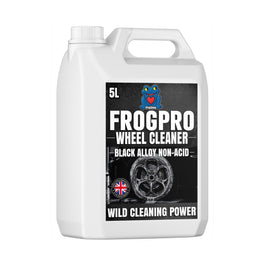
Not every wheel cleaner is acidic. pH-neutral and alkaline formulas have their place and are often the better choice for regular maintenance. Acid is a problem-solving option, not an automatic first step for every vehicle arriving on site.
Wheel acid safety starts before spraying
The safest cleaning decision is made before the trigger is pulled. Check the wheel type, condition and level of contamination first. Factory-painted and lacquered alloy wheels in sound condition are generally more forgiving than bare polished aluminium, anodised finishes, damaged lacquer or older wheels with corrosion around the rim.
Ask before cleaning if the vehicle has had ceramic coatings, custom paint, powder coating or refurbishment work. A customer may simply say their wheels are “alloys”, but that does not tell you enough about the finish. If there is any doubt, use a milder product first or test a discreet area.
Temperature matters just as much. Never apply acidic wheel cleaner to hot wheels, hot brake components or a vehicle sitting in strong sun. Heat accelerates drying and chemical activity, reducing the time you have to rinse safely. Bring the wheel temperature down with a thorough water rinse and work one wheel at a time.
Read the label and Safety Data Sheet
A professional cleaning chemical should always be used according to its label and Safety Data Sheet, often called an SDS. These documents set out the correct dilution, contact time, hazards, first-aid measures, storage and suitable personal protective equipment.
Do not rely on a familiar bottle shape or a colleague’s usual routine. Products vary in acid type and concentration. A cleaner suitable for controlled use on commercial wash work may not be appropriate neat, and a product supplied concentrated must be diluted exactly as instructed. Guessing dilution ratios is false economy.
For employers, wheel acid safety also forms part of everyday COSHH control. Keep the current SDS available to staff, train new starters before they use chemicals, and make sure the written assessment reflects how the product is actually handled in the wash bay.
PPE is not optional around acidic cleaners
The minimum protection depends on the product SDS, but acid wheel cleaner commonly calls for chemical-resistant gloves and proper eye protection. Standard thin disposable gloves are not automatically suitable for acids, particularly during decanting or dilution. Choose gloves rated for the chemical being used and replace them if torn, contaminated inside or degraded.
Eye protection matters because spray rebound is common around spokes, tyres and arches. Safety goggles give more reliable coverage than ordinary spectacles. Where there is a realistic splash risk during mixing or high-volume use, a face shield may be appropriate alongside goggles, not instead of them.
Wear workwear that covers exposed skin and use waterproof footwear with good grip. Chemical on a wet wash-bay floor is not only a skin hazard but a slip hazard. Keep clean water close by, know where the eyewash provision is, and make sure it is accessible rather than buried behind stock.
The right application process
Good results come from control, not excessive product. Pre-rinse the wheel and tyre to remove loose grit and cool the surface. Apply the cleaner evenly at the stated dilution, avoiding unnecessary overspray on paintwork, brake components and nearby surfaces. A chemical-resistant trigger or dedicated sprayer should be clearly labelled for that product.
Allow only the stated dwell time. Do not leave an acidic cleaner to dry while you move onto another vehicle, answer the phone or start vacuuming an interior. On heavily soiled wheels, agitate carefully with acid-resistant wheel brushes if the label permits it, then rinse thoroughly from every angle.
Pay attention to the inner barrel, behind spokes and around valve areas. Cleaner trapped in these areas can continue working after the visible face looks clean. A generous rinse is part of the process, not an optional final flourish.
Avoid mixing products to make a cleaner “stronger”. Acid cleaners must never be mixed with bleach, alkaline cleaners or other chemicals. Mixing can create heat, splashing or hazardous fumes, while also making the cleaning result less predictable. Empty product bottles are not suitable for decanting other chemicals unless they have been professionally cleaned and relabelled for that exact use.
When acid is the wrong choice
A heavy layer of grime does not always mean acid is required. For routine maintenance, a pH-neutral wheel cleaner is usually safer for a wider range of finishes and coatings. It may need more dwell time or gentle agitation, but it reduces risk on valuable or unknown wheels.
Alkaline wheel and tyre cleaners can also be highly effective on greasy road film and tyre browning. The best choice depends on the soil, wheel finish and service level. On a dealership preparation job, preserving a consistent finish across a mixed fleet may matter more than shaving a minute off each wheel.
Be especially cautious with split-rim wheels, polished lips, bare metal, chrome-effect finishes, damaged powder coating and wheels showing bubbling lacquer or corrosion. Acid can find its way under failing coatings and make an existing issue look much worse. Photograph pre-existing damage where appropriate and flag it before work begins.
Safe storage and wash-bay habits
Store acidic products upright in their original, clearly labelled containers, away from direct heat and away from incompatible chemicals. Keep them secured where customers, children and untrained staff cannot access them. If using bulk containers, inspect caps, taps and surrounding shelving for leaks or corrosion.
A tidy chemical area prevents rushed mistakes. Separate acids from alkaline products, retain labels on secondary spray bottles and do not leave mixed dilution containers unmarked. Staff should be able to identify the product, dilution date and intended use at a glance.
For trade operators, it is worth building a simple wheel-cleaning routine into training: inspect the wheel, select the mildest effective chemistry, put on PPE, work on cool surfaces, follow the dwell time and rinse thoroughly. Consistency is easier to manage than relying on individual judgement during a busy Saturday queue.
If there is a splash or spill
Act immediately, following the product SDS and site procedures. For skin contact, remove contaminated clothing and rinse the affected area with plenty of clean running water. For eye contact, flush continuously with clean water and seek urgent medical advice. Do not attempt to neutralise acid on skin with another chemical.
For spills, keep people away from the area, wear the required PPE and use the correct spill-control method for the product. Small incidents still need reviewing. If a splash happened because a bottle was unlabelled, a wheel was hot or PPE was missing, fix the process before the next vehicle comes through.
The strongest wheel-cleaning setup is not the one with the harshest chemical. It is the one that gives reliable results without gambling with finishes or people. Choose the least aggressive product that will do the job, use it exactly as intended, and your wheel work will stay fast, safe and professional.